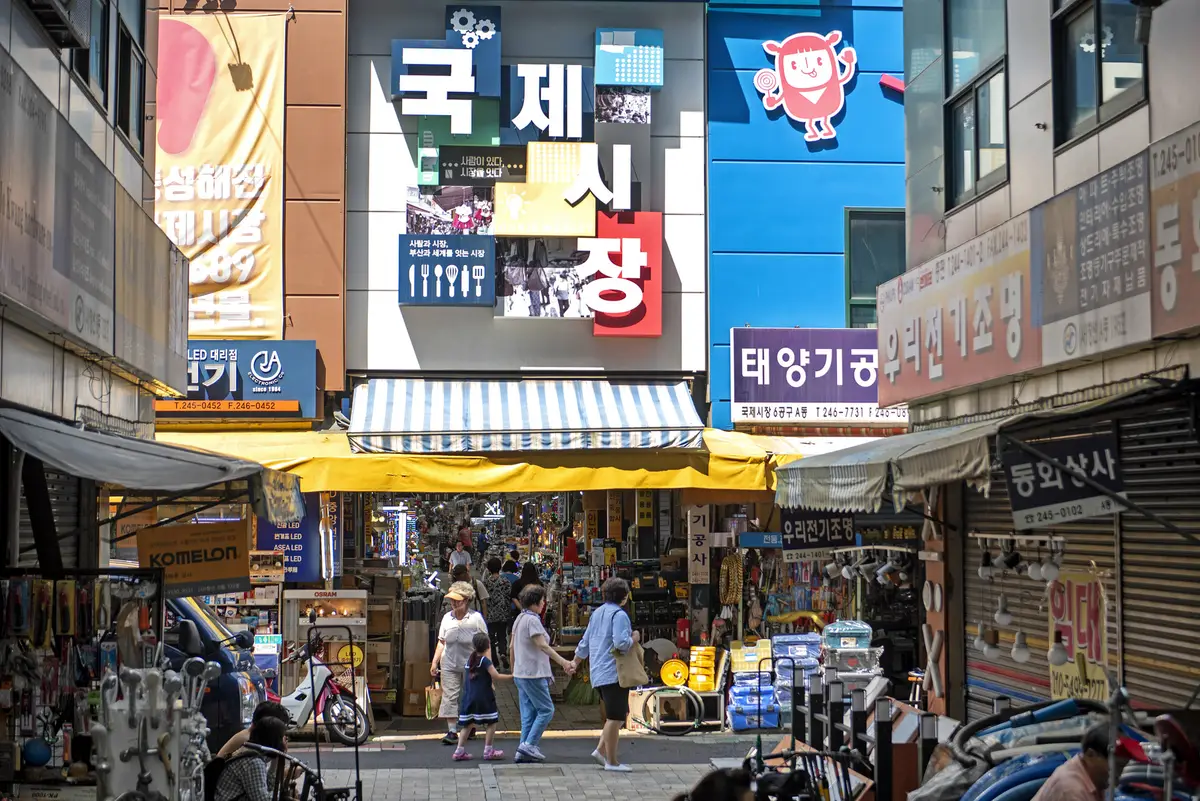
A large postwar market in Busan’s old center.
Browse the connected market alleys for local food, clothing and everyday goods. Individual shops set their own prices and opening hours.
- Time needed
- 30 min
- Opening hours
- Market hours 09:00–20:00 (Jung-gu district and VisitKorea); individual stall hours may vary.
- Admission
- Free
- From the Busan cruise port
- about 1 kmStraight line; the road is longer.
At a glance
- Established 1945–1950 by post-liberation traders and Korean War refugees who fled south from North Korea
- Name 'Gukje = International' — reflects the post-war black-market era when goods came from US troop PXs and worldwide aid imports
- ~600 m × 100 m grid of 1,500+ stalls — one of Korea's largest traditional markets
- Six themed alleys: Arirang Street (clothing), Gongguk Street (kitchenware), Wood Street (lumber), Cosmetics Street, Hardware Street, and Food Alley
- Adjacent Bupyeong Kkangtong Market ('Tin Can Market') — Korea's first night market, popular for street food after sunset
- Setting of the 2014 Korean film 'Ode to My Father' — 14M ticket sales, anchored Korean War family-memory cinema
- Market hours 09:00–20:00; closed first and third Sundays; individual stall hours may vary
About Gukje Market
Gukje Market ('International Market') is a sprawling traditional market in Jung-gu, Busan — one of Korea's largest and oldest post-war markets, occupying a ~600 m × 100 m grid of more than 1,500 stalls.
The market's origins trace to the post-Japanese-liberation period of 1945, when displaced Korean traders began selling goods on the empty lot left by departing Japanese, and to the Korean War (1950–1953), when massive waves of refugees fleeing south from North Korea expanded the market into the 'Gukje (International) Market' name we know today — reflecting the post-war black-market era when goods flowed in from US troop PX exchanges, UN aid shipments, and worldwide imports unavailable through normal channels.
After the great Busan Station fire of 1953 destroyed the nearby downtown commercial district, displaced merchants permanently resettled at Gukje, cementing its dominance.
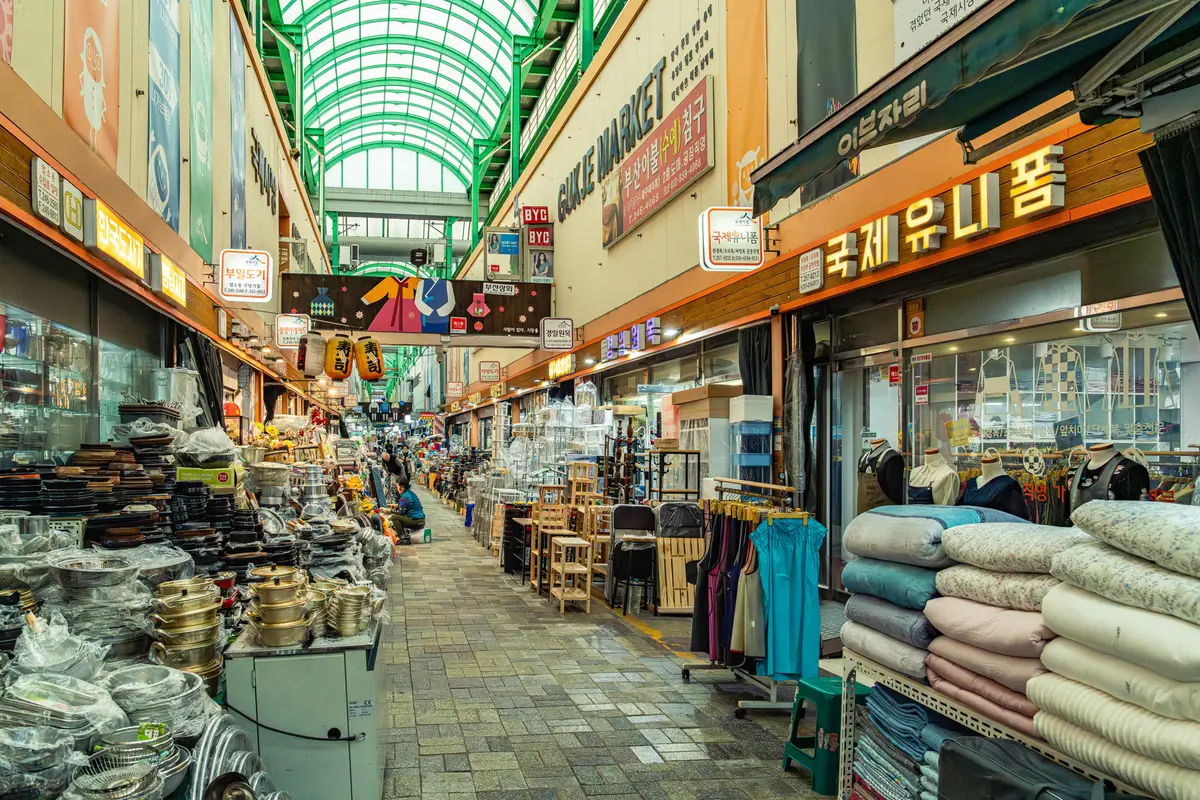
The market is organized into six themed alleys: Arirang Street (clothing, accessories), Gongguk Street (kitchenware, household goods), Wood Street (lumber and furniture, the original 1950s specialty), Cosmetics Street, Hardware Street, and the Food Alley (street snacks and Busan local foods).
Adjacent to Gukje is Bupyeong Kkangtong Market ('Tin Can Market') — named for the canned-goods bartering culture of the 1950s and recognized as Korea's first official night market, with night stalls operating on a separately announced evening schedule.
The market was the setting of the 2014 Korean film 'Ode to My Father' — a Korean War family-memory blockbuster that drew 14 million ticket sales and anchored a national reckoning with the refugee generation's sacrifices.
Today Gukje and Bupyeong together form Busan's most lived-in shopping district — used daily by locals, not just tourists. Market hours: 09:00–20:00; closed on the first and third Sundays of each month. Individual stall hours may differ.
Visiting Gukje Market
Good to know
Gukje Market in photographs
Tours that stop at Gukje Market
Places near Gukje Market
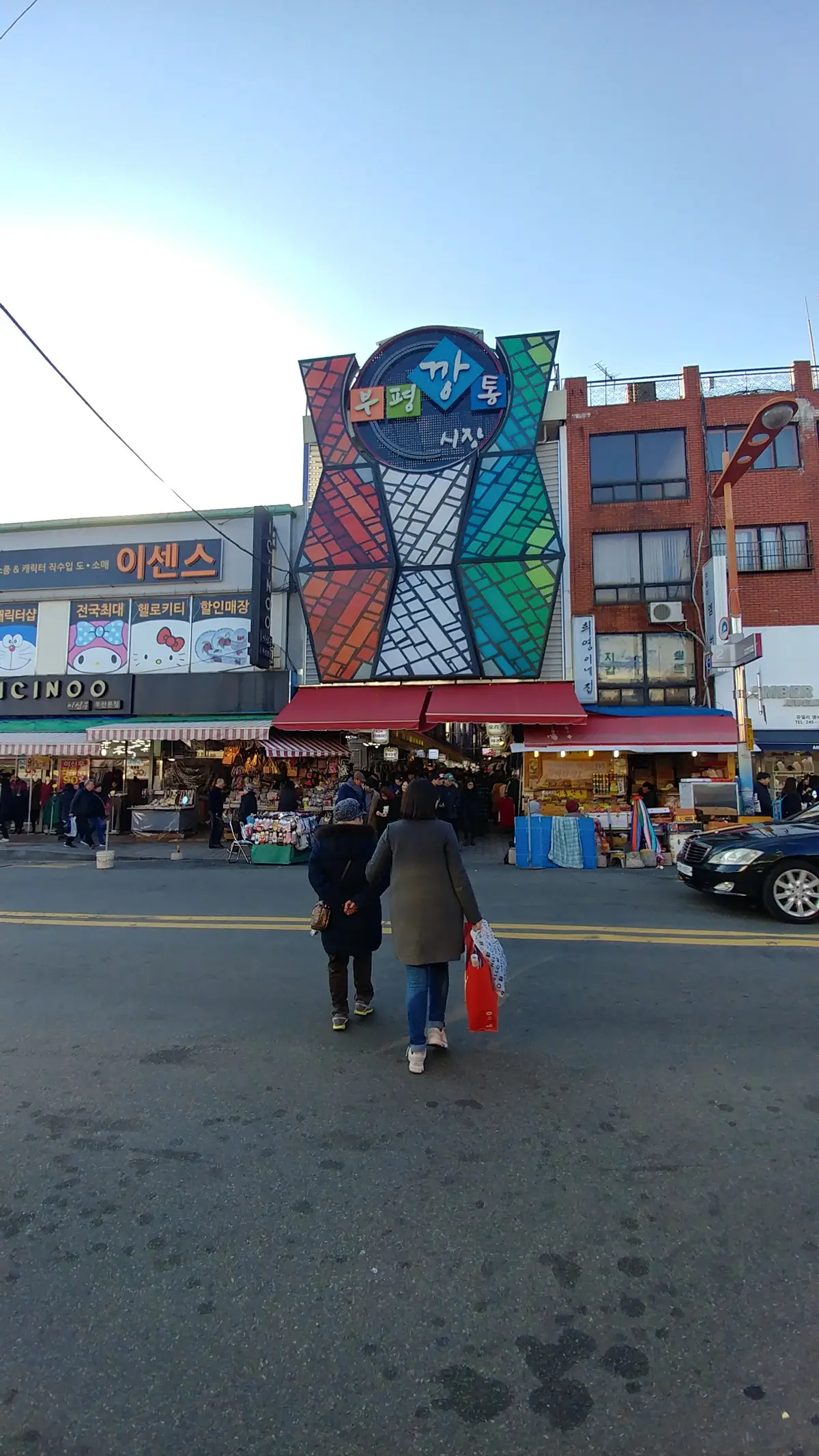 Bupyeong Kkangtong Marketunder 1 kmBosu-dong Book Streetunder 1 km
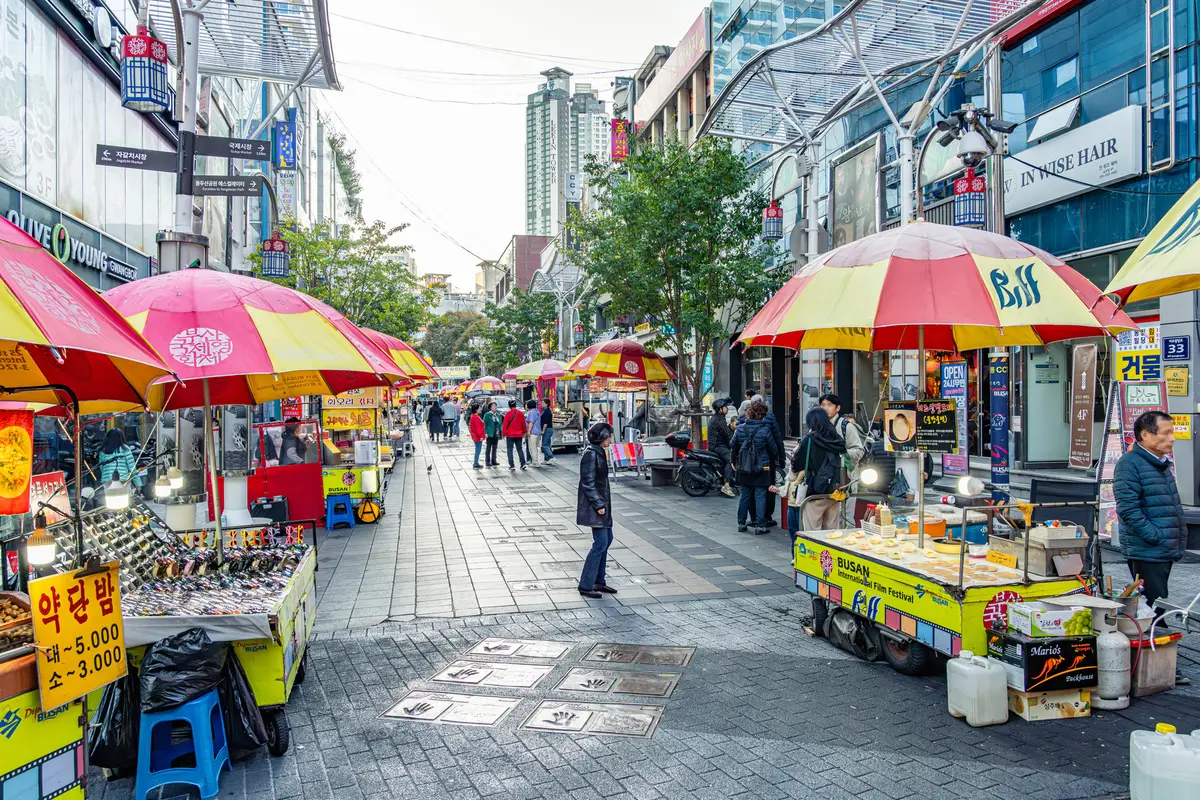 BIFF Squareunder 1 km
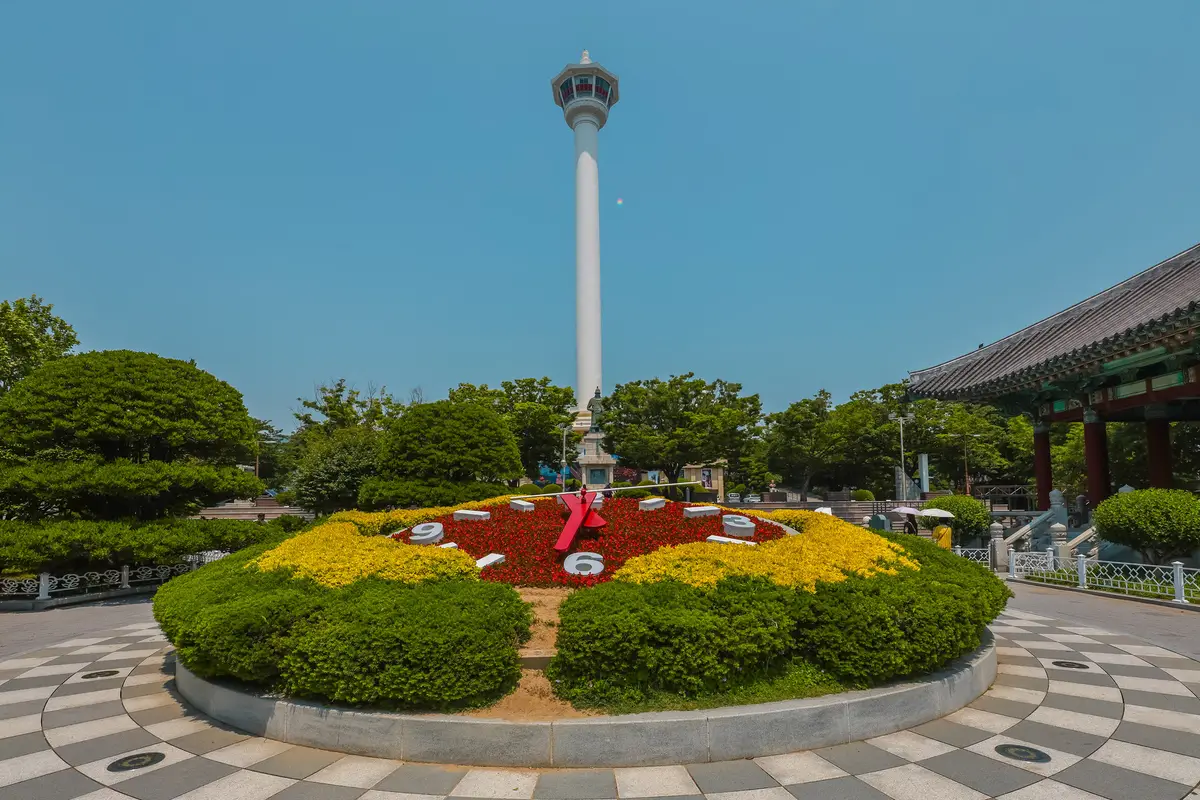 Yongdusan Park & Busan Diamond Towerunder 1 km
Gukje Market: common questions
How long do you need at Gukje Market?
30 min
What are the opening hours of Gukje Market?
Market hours 09:00–20:00 (Jung-gu district and VisitKorea); individual stall hours may vary. Market closed on the first and third Sundays of each month; individual stalls may follow different schedules.
Is there an admission fee at Gukje Market?
Free
How far is Gukje Market from the Busan cruise port?
It is about 1 km from the Busan cruise port in a straight line. The road is longer, and the drive depends on traffic.
How much walking is there at Gukje Market?
Easy–moderate — flat paved alleys, can be crowded
From people who went
Nobody has written here yet. If you go, leave a line — the next ship reads it.
This place is recorded in 10 languages. On tour it plays itself when you arrive.
Open in Maps