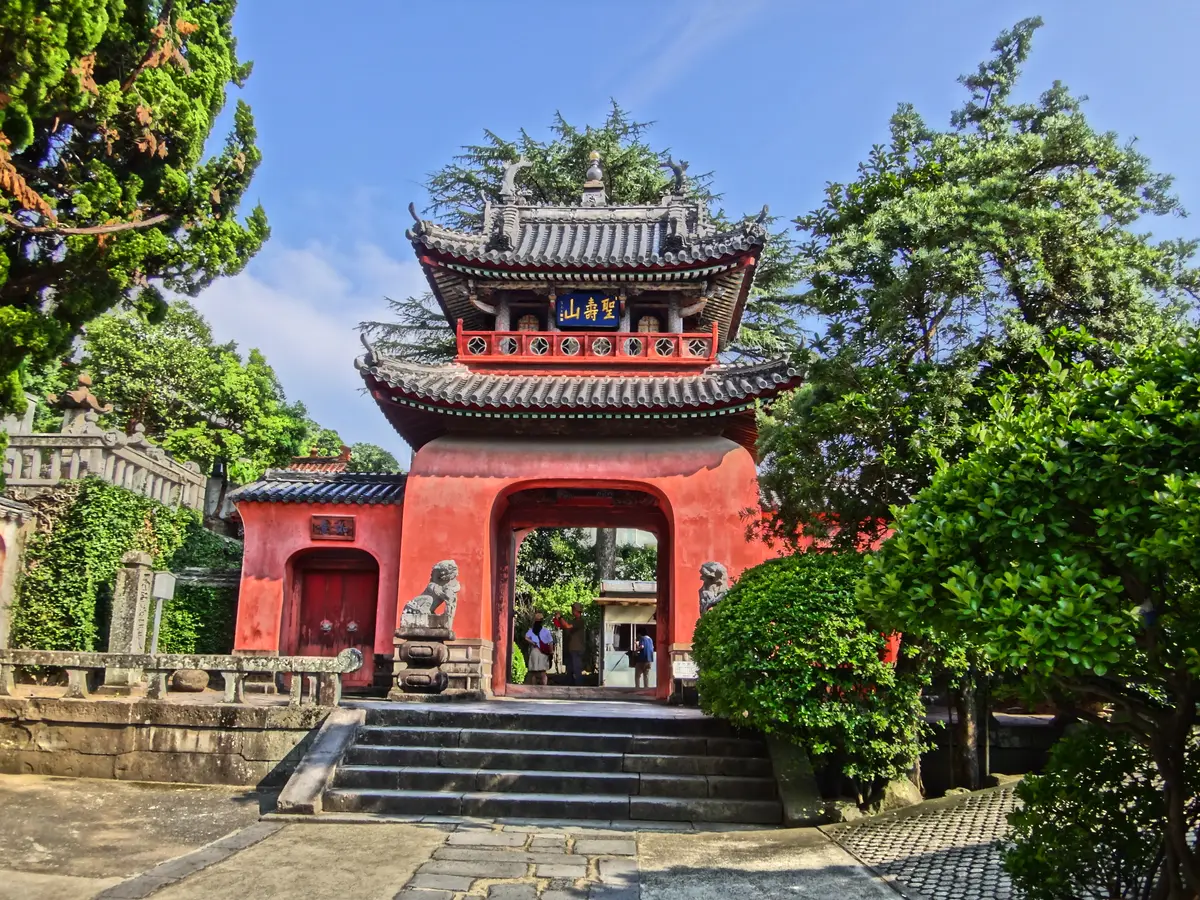
A Ming-style Chinese Zen temple with two National Treasures.
The best-preserved trace of the Chinese merchants who helped build Nagasaki, with two National Treasures in a small space. Expect steps.
- Time needed
- About 30 min
- Opening hours
- Check locally or with Nagasaki's official tourism information for current visiting times.
- Admission
- Check locally for the current admission.
- From the Nagasaki cruise port
- about 2 kmStraight line; the road is longer.
At a glance
- Founded in 1629 by the Chinese monk Chaoran for Nagasaki's community from Fuzhou
- A temple of the Obaku school of Zen
- The red Ryugumon gate at the street, rebuilt in 1849
- Daiippomon gate: its timbers were cut in Ningbo, China, shipped over and assembled here in 1695 — a National Treasure
- Daiyu Hoden, the Buddha hall of 1646, cut in China and assembled in Nagasaki — a National Treasure
- A giant cauldron cast to cook gruel for the starving in the famine of 1681
- A hall to Maso, the sea goddess who protected Chinese sailors
About Sofukuji Temple
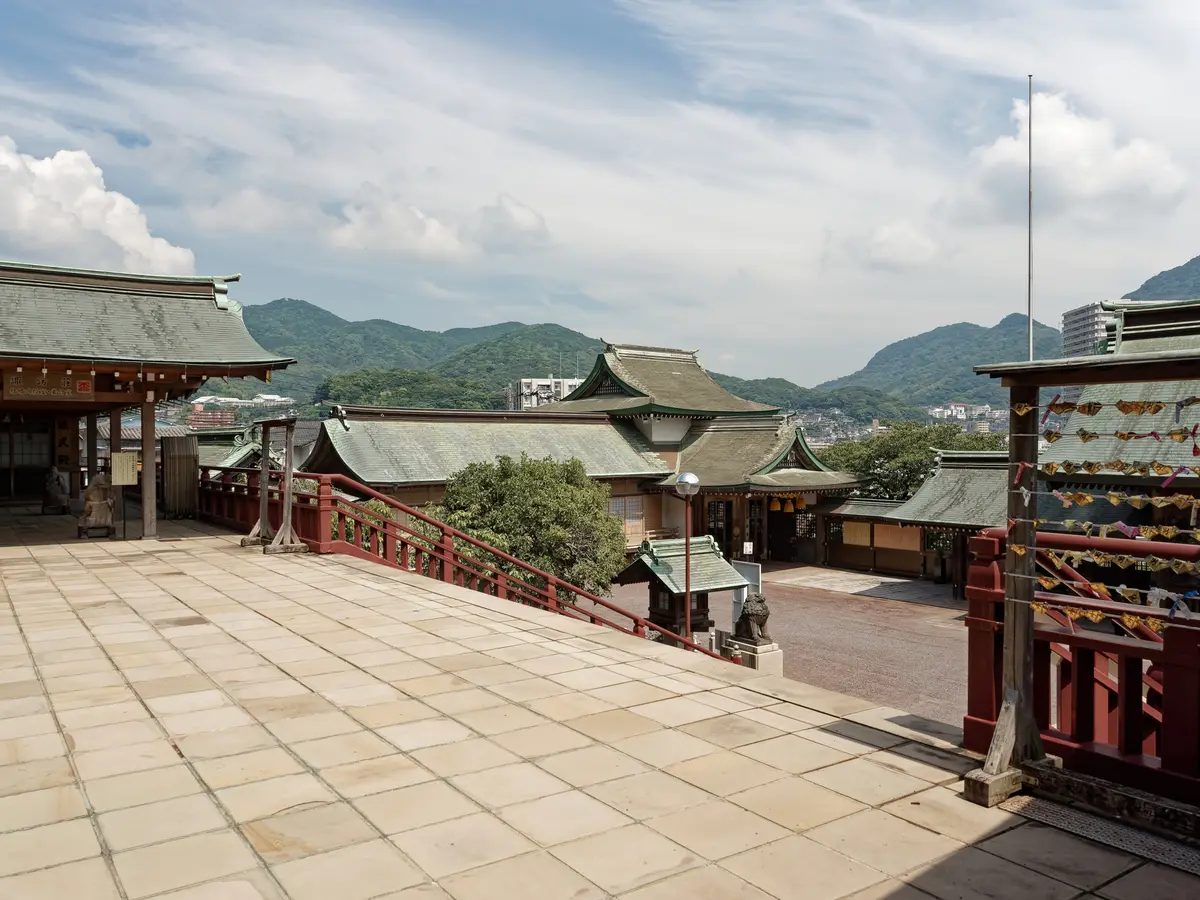
Sofukuji is a Chinese temple in the middle of a Japanese city, and it looks it. It was founded in 1629 by the monk Chaoran as the family temple of the Chinese residents of Nagasaki who came from Fuzhou in Fujian province, and it belongs to the Obaku school of Zen. Its buildings are a rare surviving example of the architecture of southern China in the Ming period.
You enter from the street through the Ryugumon, a red two-storey gate with an arched passage that looks like the gateway to an undersea palace; the present gate dates from 1849, after fire and storms destroyed its predecessors. Steps climb to the Daiippomon, the First Peak Gate. A gate first stood here in 1644; the present one was cut and fitted in Ningbo, in China, shipped across in pieces and assembled here in 1695, and its painted, interlocking brackets under the eaves are the thing to look at. It is a National Treasure. Beyond it stands the Daiyu Hoden, the main Buddha hall, a second National Treasure: its timbers were cut in China and assembled here in 1646, and it enshrines Shakyamuni.
Two other things are worth finding. One is an enormous iron cauldron: during the famine of 1681 the resident priest had it made to cook rice gruel for the hungry people of the town. The other is the Masodo, the hall of Maso, a sea goddess worshipped along the coast of southern China. Sailors carried her image on their ships across to Nagasaki and lodged it here while they were in port. The temple is on a hillside with stone steps; check locally for current visiting times and admission.
Visiting Sofukuji Temple
Good to know
Places near Sofukuji Temple
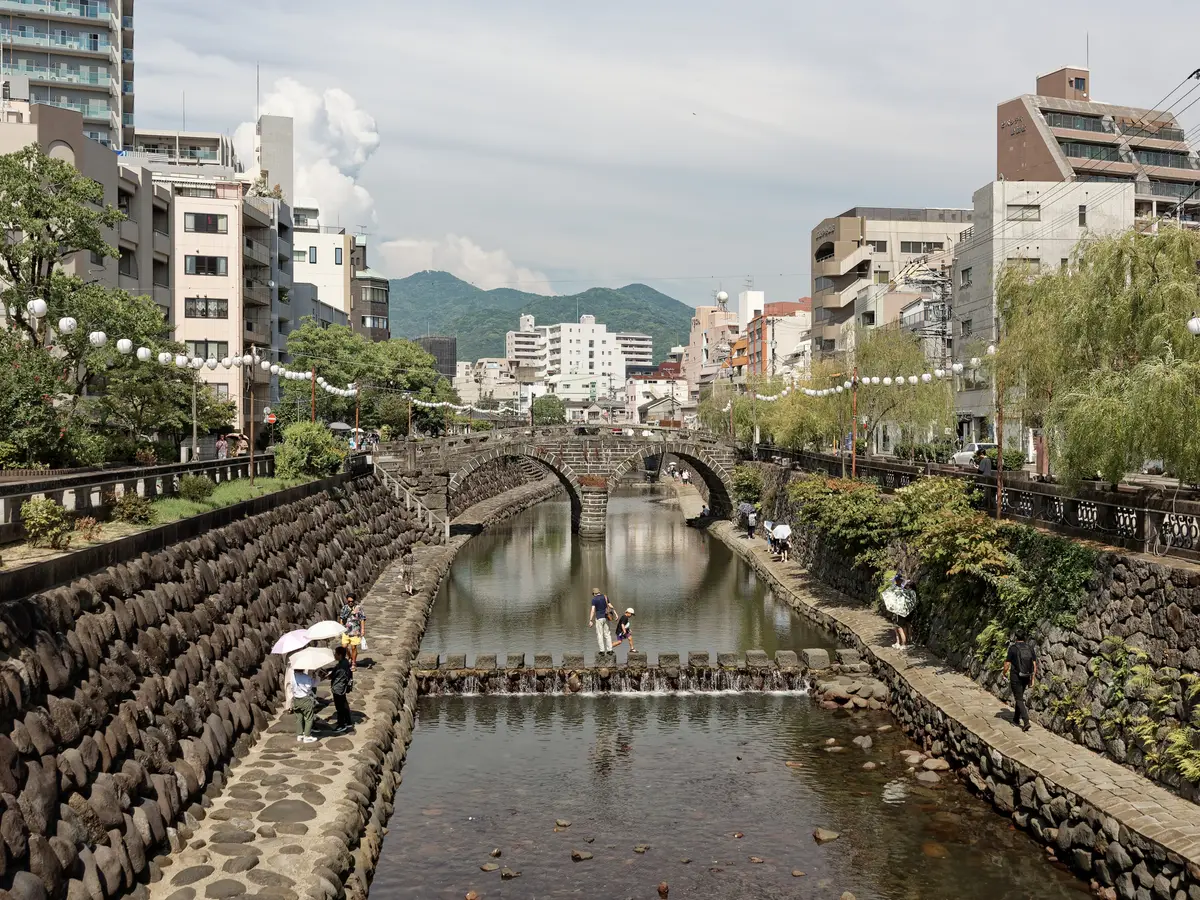 Meganebashi (Spectacles Bridge)under 1 km
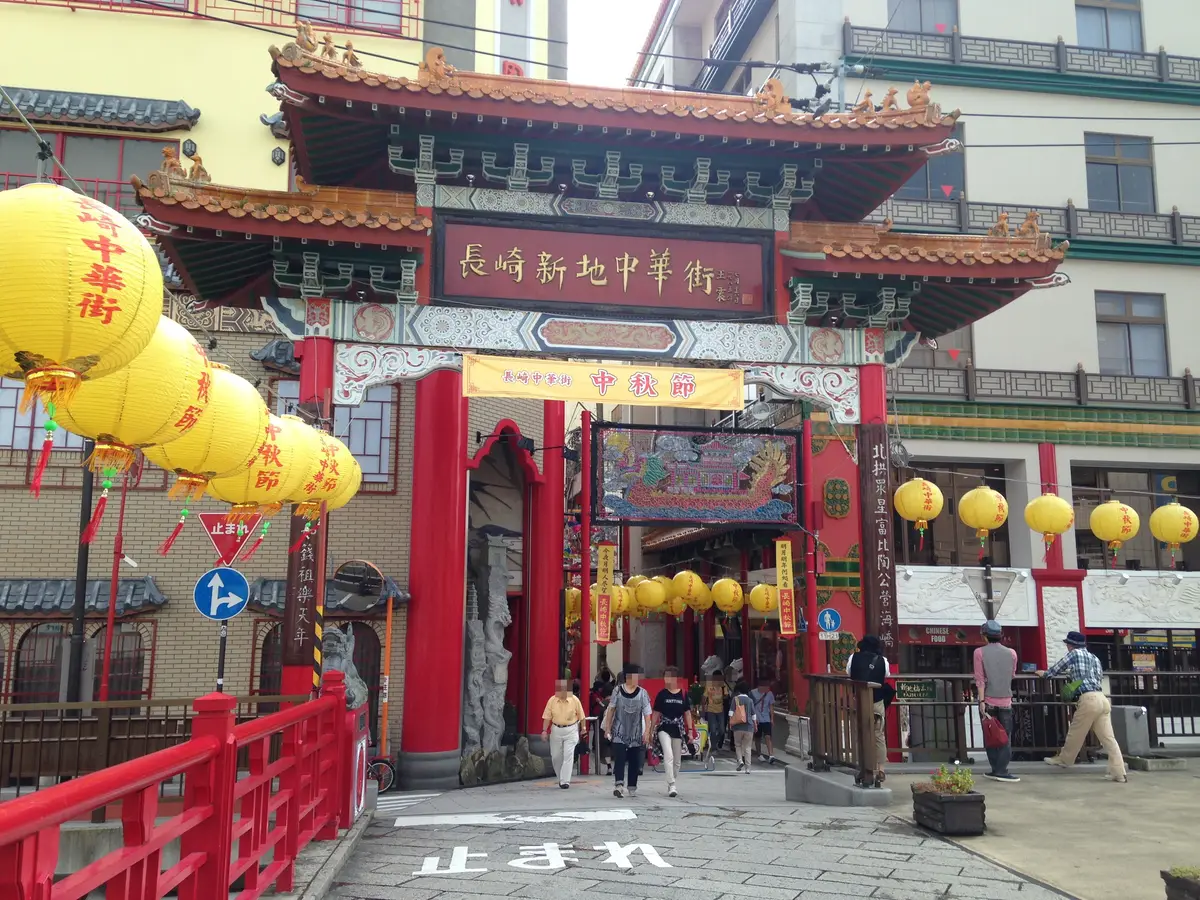 Nagasaki Shinchi Chinatownunder 1 km
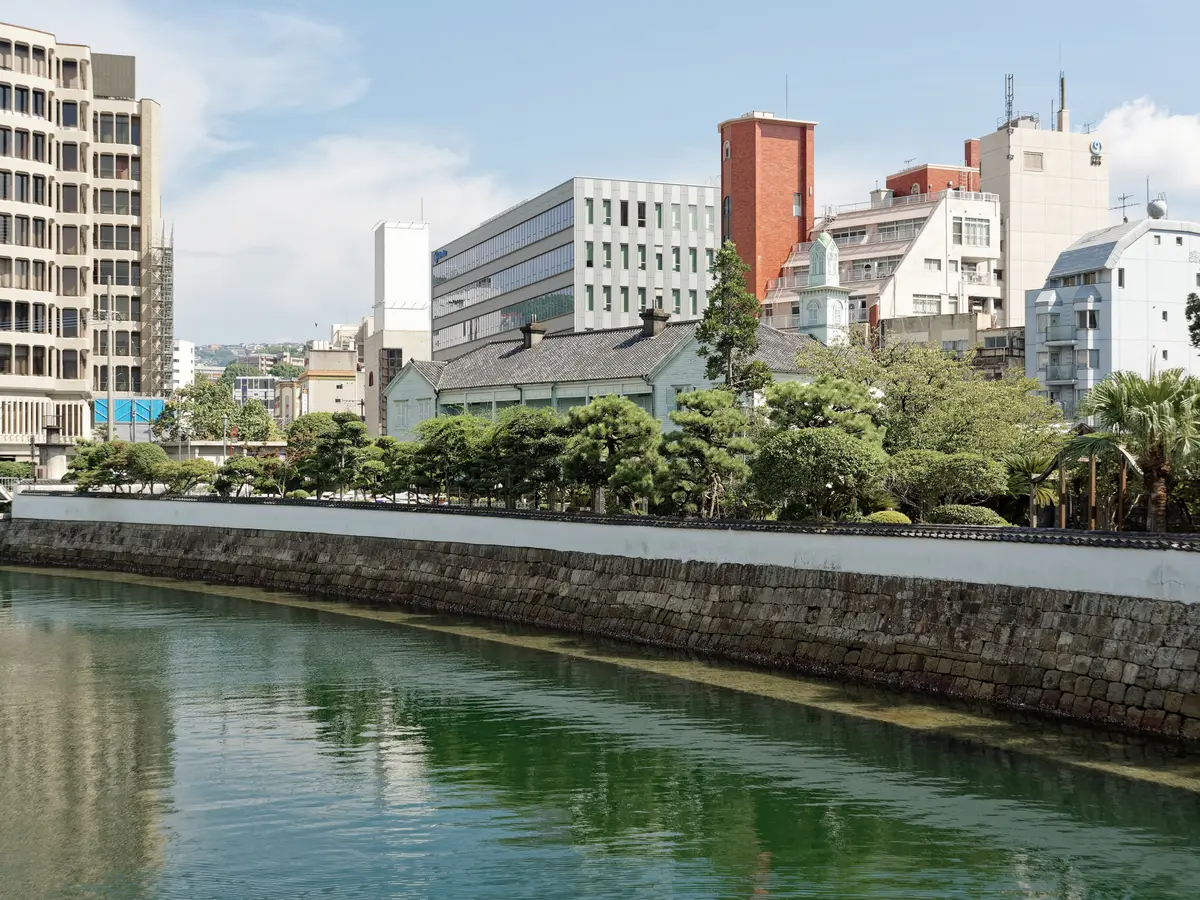 Dejimaabout 1 km
 Suwa Shrineabout 1 km
Sofukuji Temple: common questions
How long do you need at Sofukuji Temple?
About 30 min
What are the opening hours of Sofukuji Temple?
Check locally or with Nagasaki's official tourism information for current visiting times. Check locally for closures.
Is there an admission fee at Sofukuji Temple?
Check locally for the current admission.
How far is Sofukuji Temple from the Nagasaki cruise port?
It is about 2 km from the Nagasaki cruise port in a straight line. The road is longer, and the drive depends on traffic.
How much walking is there at Sofukuji Temple?
A hillside temple with stone steps from the street gate up to the halls.
From people who went
Nobody has written here yet. If you go, leave a line — the next ship reads it.
This place has the writing but not the recording.