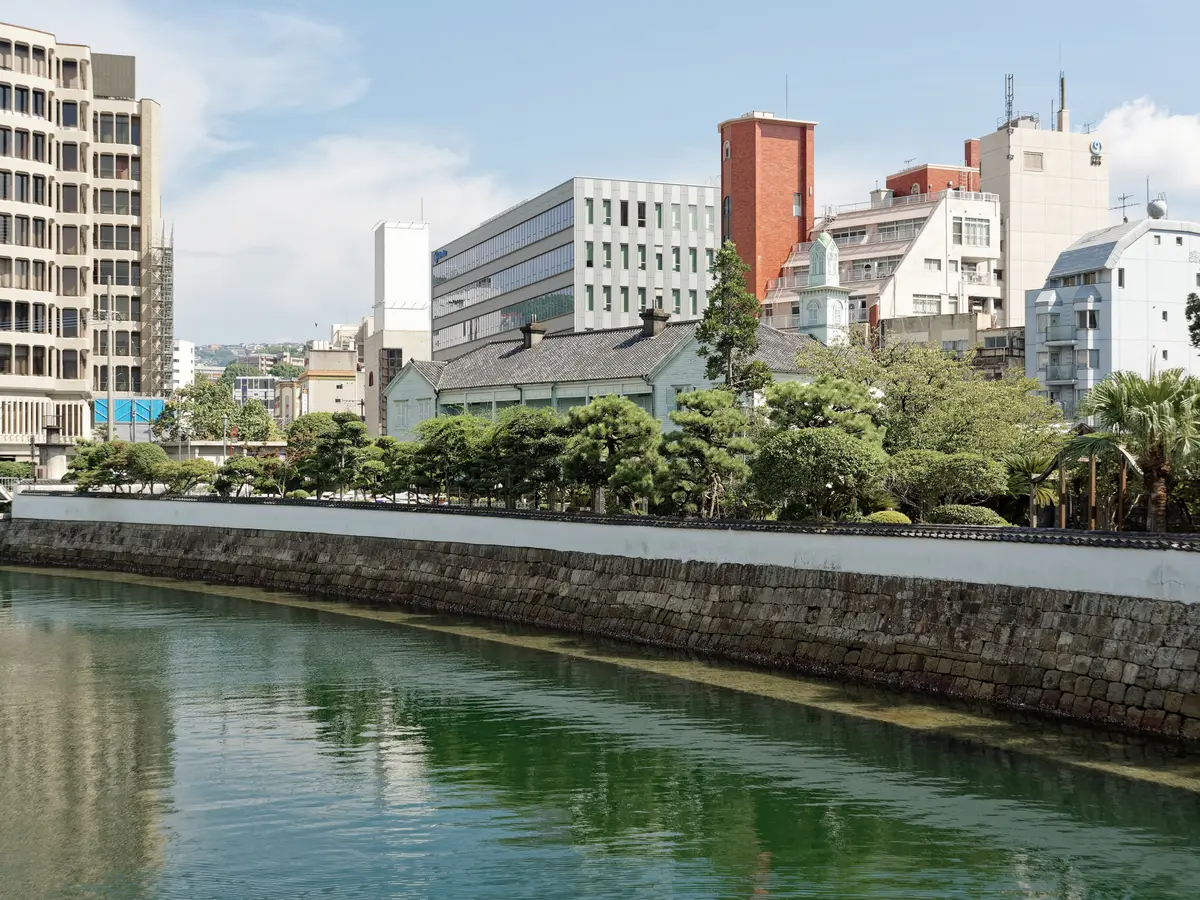
The fan-shaped island where the Dutch traded with closed Japan.
For over two centuries this small island was Japan's only doorway to the West. It is flat, compact and close to the port.
- Time needed
- About 60 min
- Opening hours
- Check the official Dejima site for current opening times.
- Admission
- A ticketed site; check the official site for the current admission.
- From the Nagasaki cruise port
- under 1 kmStraight line; the road is longer.
At a glance
- A man-made, fan-shaped island completed in 1636, about 120 by 75 metres
- Built by the shogunate to hold Portuguese traders, who were expelled in 1639
- The Dutch trading post moved here from Hirado in 1641 and stayed for more than two centuries
- Home at different times to the physicians Kaempfer, Thunberg and Siebold
- A National Historic Site since 1922
- Residences, warehouses, walls and gates rebuilt in stages since 1996
- The Omotemon Bridge, restored in 2017, crosses to the main gate as the original once did
About Dejima
Dejima was a small artificial island in Nagasaki harbour, shaped like an open fan and measuring roughly 120 metres by 75. The Tokugawa shogunate began it in 1634 and finished it in 1636, to keep Portuguese traders apart from the townspeople and to limit the spread of Christianity. The Portuguese were expelled in 1639. In 1641 the Dutch trading post was moved here from Hirado, and for more than two hundred years, while Japan was closed to almost all other foreign contact, the Dutch on this island were the only Westerners allowed to trade with the country.
A handful of company men lived here at a time, with a single bridge to the town. Goods came in and out through Dejima, and so did knowledge: the physicians Engelbert Kaempfer, who arrived in 1690, Carl Peter Thunberg, in 1775, and Philipp Franz von Siebold, in 1823, all worked here, and what they wrote shaped Europe's picture of Japan, as Dutch books shaped Japan's picture of Europe.
After the port opened in the 1850s the island lost its purpose. Land was reclaimed around it and by the twentieth century it was buried inside the city. It was made a National Historic Site in 1922, and since 1996 Nagasaki has been rebuilding it: the first five buildings opened in 2000, more followed in 2006, six further buildings were completed in 2016, and the Omotemon Bridge in 2017. Today you cross that bridge and walk a street of residences and warehouses furnished as they were in the early 1800s. The city's stated long-term aim is to dig the canals again and make Dejima an island once more.
Visiting Dejima
Good to know
Places near Dejima
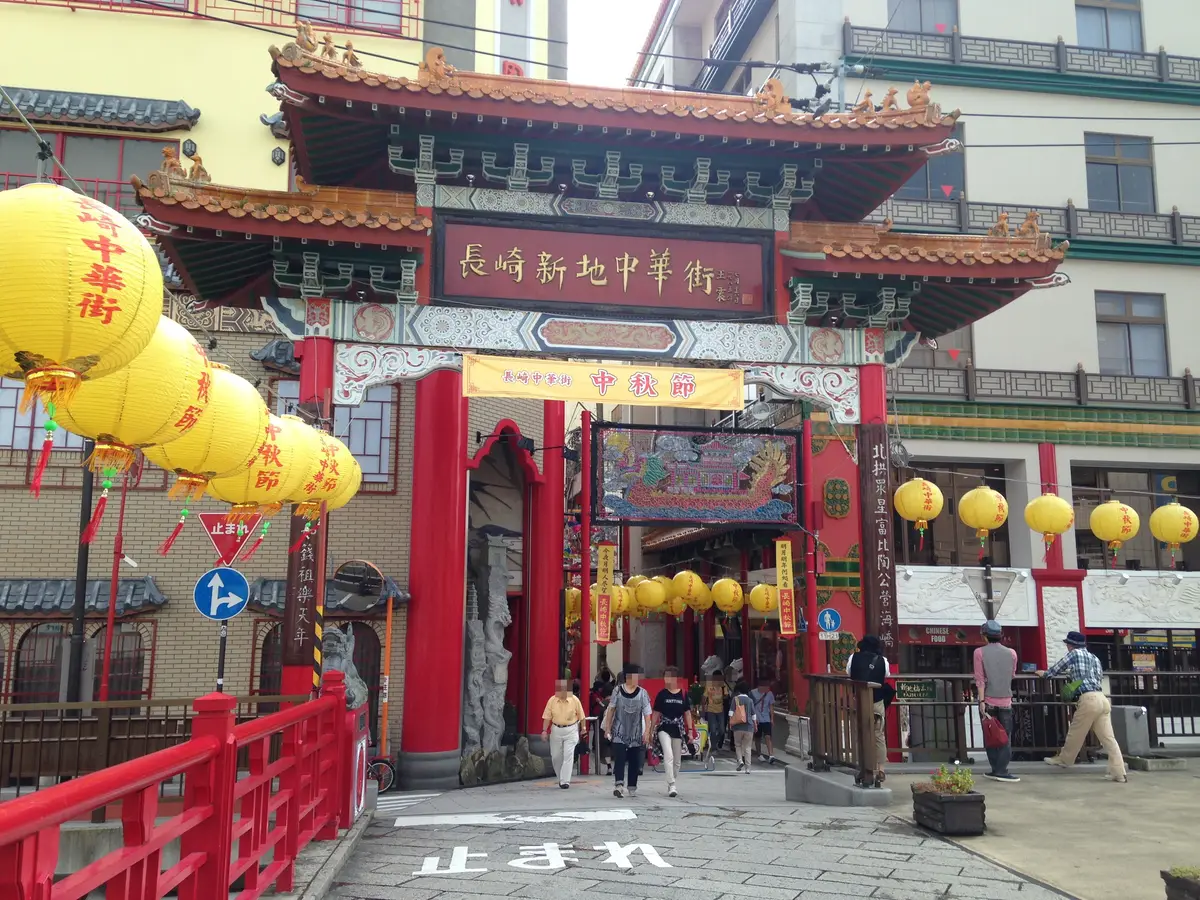 Nagasaki Shinchi Chinatownunder 1 km
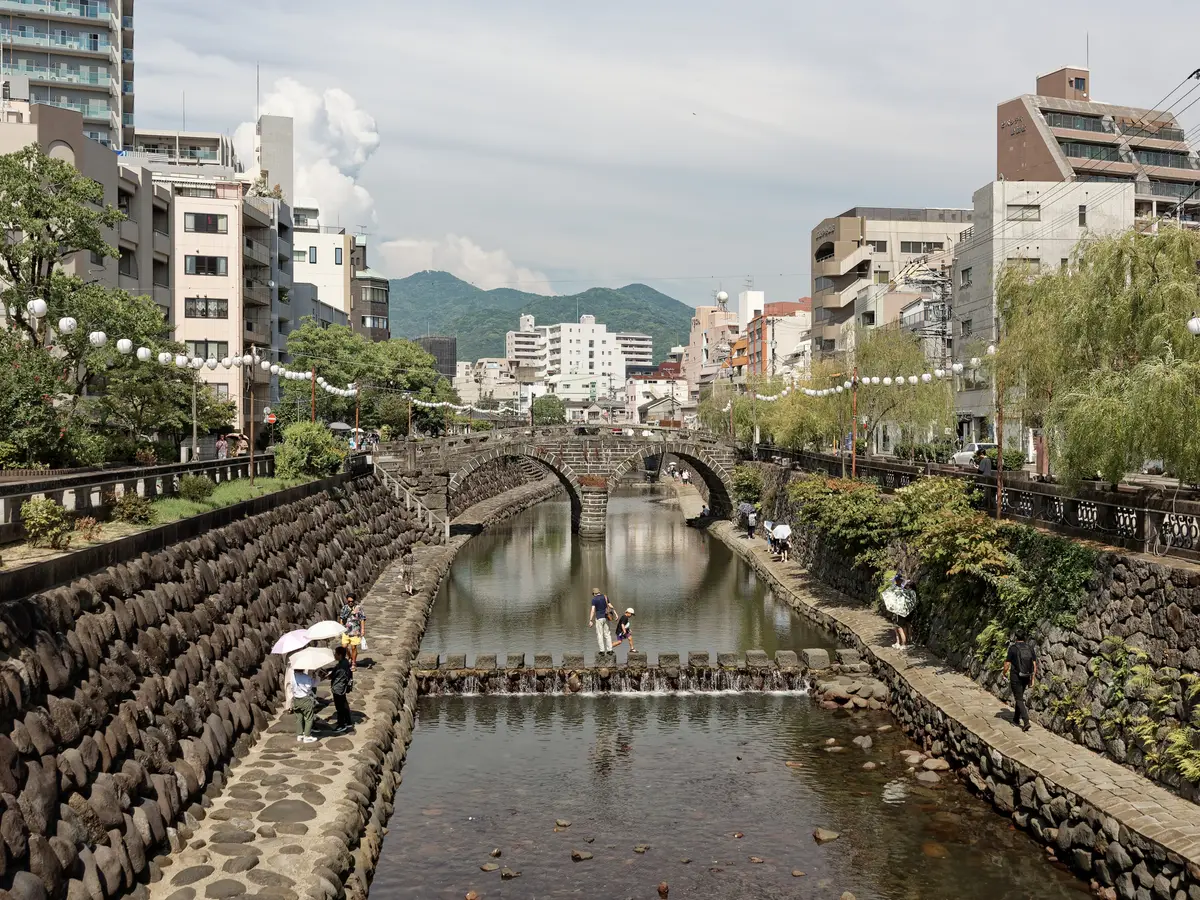 Meganebashi (Spectacles Bridge)under 1 km
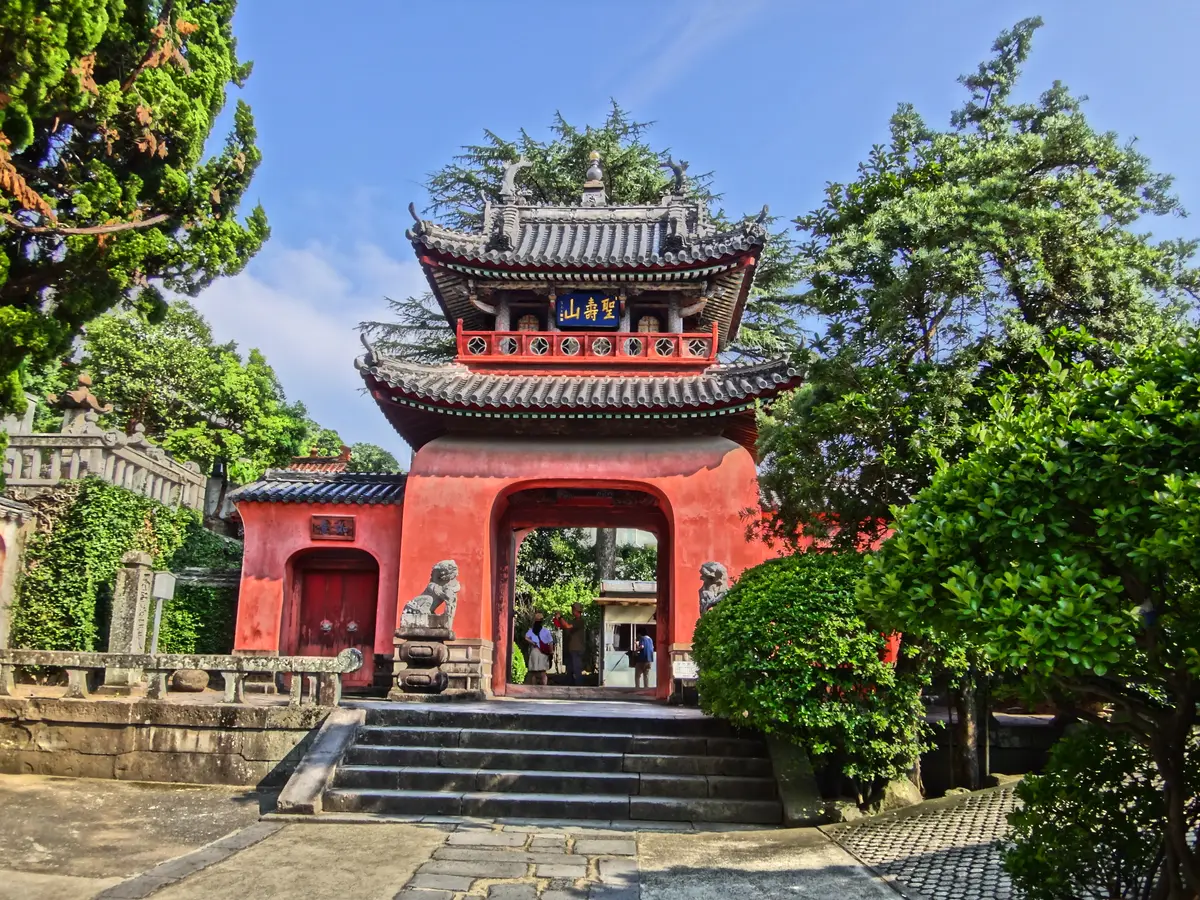 Sofukuji Templeabout 1 km
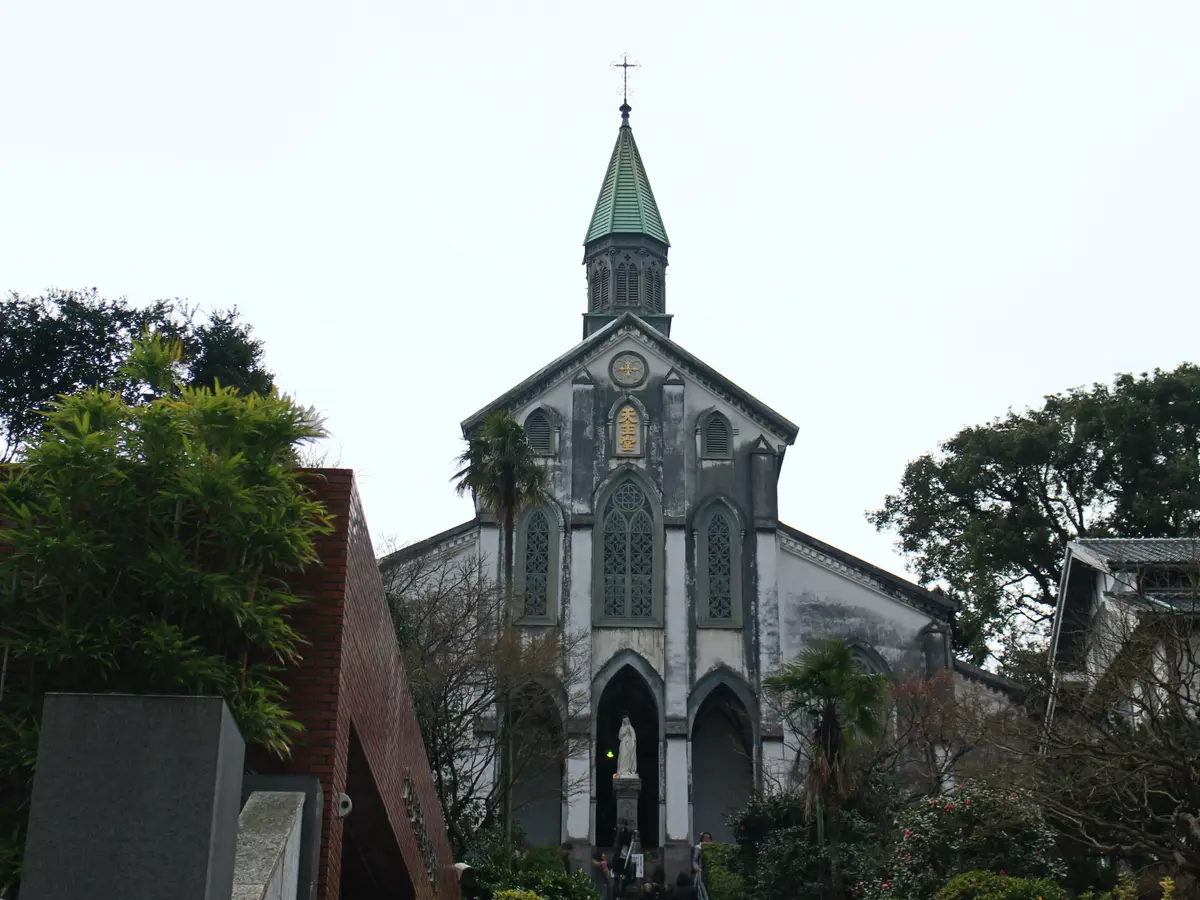 Oura Cathedralabout 1 km
Dejima: common questions
How long do you need at Dejima?
About 60 min
What are the opening hours of Dejima?
Check the official Dejima site for current opening times. Check the official site for closures and for buildings shut for works.
Is there an admission fee at Dejima?
A ticketed site; check the official site for the current admission.
How far is Dejima from the Nagasaki cruise port?
It is under 1 km from the Nagasaki cruise port in a straight line. The road is longer, and the drive depends on traffic.
How much walking is there at Dejima?
A flat, compact site, entered across a bridge; some buildings have steep interior stairs.
From people who went
Nobody has written here yet. If you go, leave a line — the next ship reads it.
This place has the writing but not the recording.