A 28-hectare open-enclosure zoo in the island's forested centre, holding the world's largest orangutan colony.
The one attraction here that a family will remember over the temples and the skyline — and the one that will take the whole day. Choose it knowingly.
- Time needed
- About 3–4 hr
- Opening hours
- Daily, with the last admission well before closing. Feeding and keeper sessions run to a timetable published on the day.
- Admission
- Ticketed, with separate or combined tickets for the neighbouring parks. Check the operator's site for the current rate.
- From the Singapore cruise port
- about 17 kmStraight line; the road is longer.
At a glance
- Opened on 27 June 1973 with 270 animals of more than 72 species and a staff of 130
- 28 hectares on the edge of the Upper Seletar Reservoir, inside the island's central forested catchment
- Built for about 9 million dollars granted by the government, on land set aside by the Public Utilities Board in 1969
- About 315 species today, roughly 16 per cent of them considered threatened
- Animals are kept in open enclosures with moats, hidden barriers and glass rather than cages
- Holds what the zoo describes as the largest social colony of orangutans in the world
- Four more wildlife parks stand beside it in the same Mandai precinct
About Singapore Zoo
The zoo exists because of a decision about water. In 1969 the Public Utilities Board decided to use some of its reservoir land for parks, and its executive chairman, Ong Swee Law, set aside 88 hectares for a zoological garden. Construction of the first fifty enclosures began in 1971; Lyn de Alwis, who directed the national zoo of Sri Lanka, was brought in as a consultant on the particular problems of tropical zoos. It opened on 27 June 1973 with 270 animals from more than 72 species and 130 staff, built for about nine million dollars of government money.
The design idea it is known for was unusual at the time and has aged well: animals are shown in open landscaped enclosures separated from visitors by moats, concealed barriers and glass instead of bars. Today the zoo covers 28 hectares on the margin of the Upper Seletar Reservoir, in the forested catchment at the centre of the island, and holds about 315 species, some 16 per cent of them regarded as threatened. The zoo describes its orangutans as the largest social colony anywhere.
It is run by the Mandai Wildlife Group, which also runs four neighbouring parks in the same precinct — a night zoo, a river-themed park, a bird park and a rainforest park — and together they care for more than 15,000 animals of about 1,000 species. Tickets are sold for each and in combinations. This guide takes no view on which to buy.
For a cruise passenger the honest consideration is distance and time. Mandai is about 17 kilometres from the berth in a straight line, it is the one place on this list with no MRT station of its own, and a proper visit is three to four hours on top of the travel there and back. On a short port call that is most of the day. It is the right choice for a family with a long call and the wrong choice for anyone with six hours and a first look at the city to fit in.
Visiting Singapore Zoo
Good to know
Places near Singapore Zoo
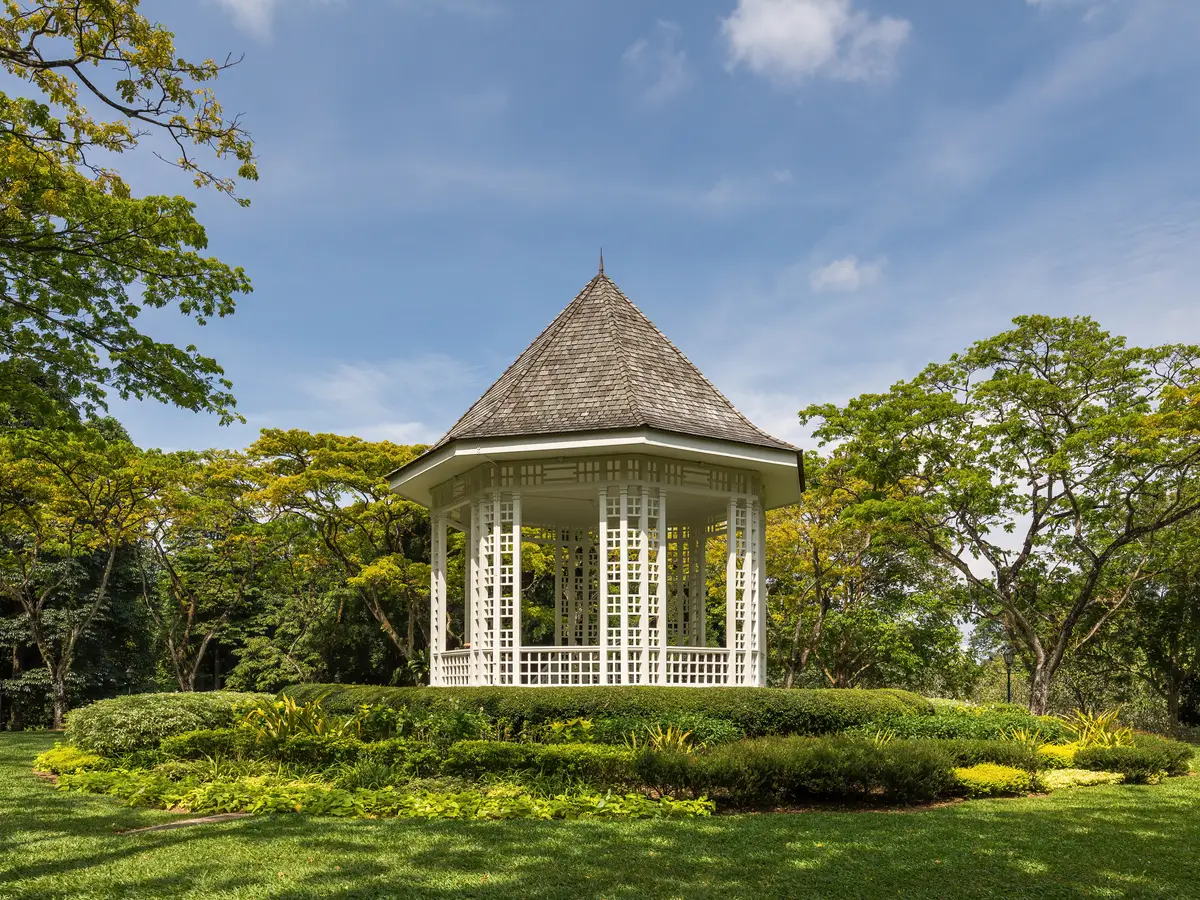 Singapore Botanic Gardensabout 10 km
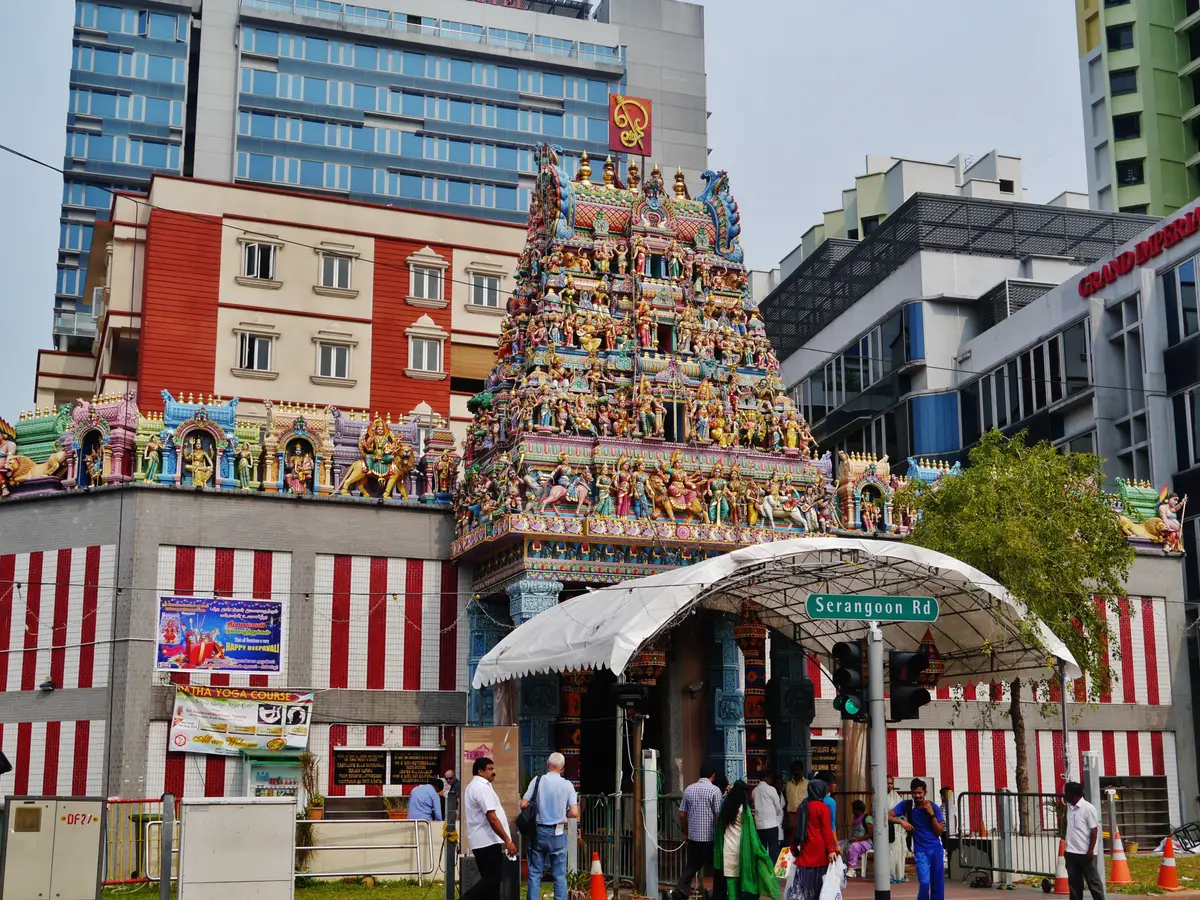 Little Indiaabout 13 km
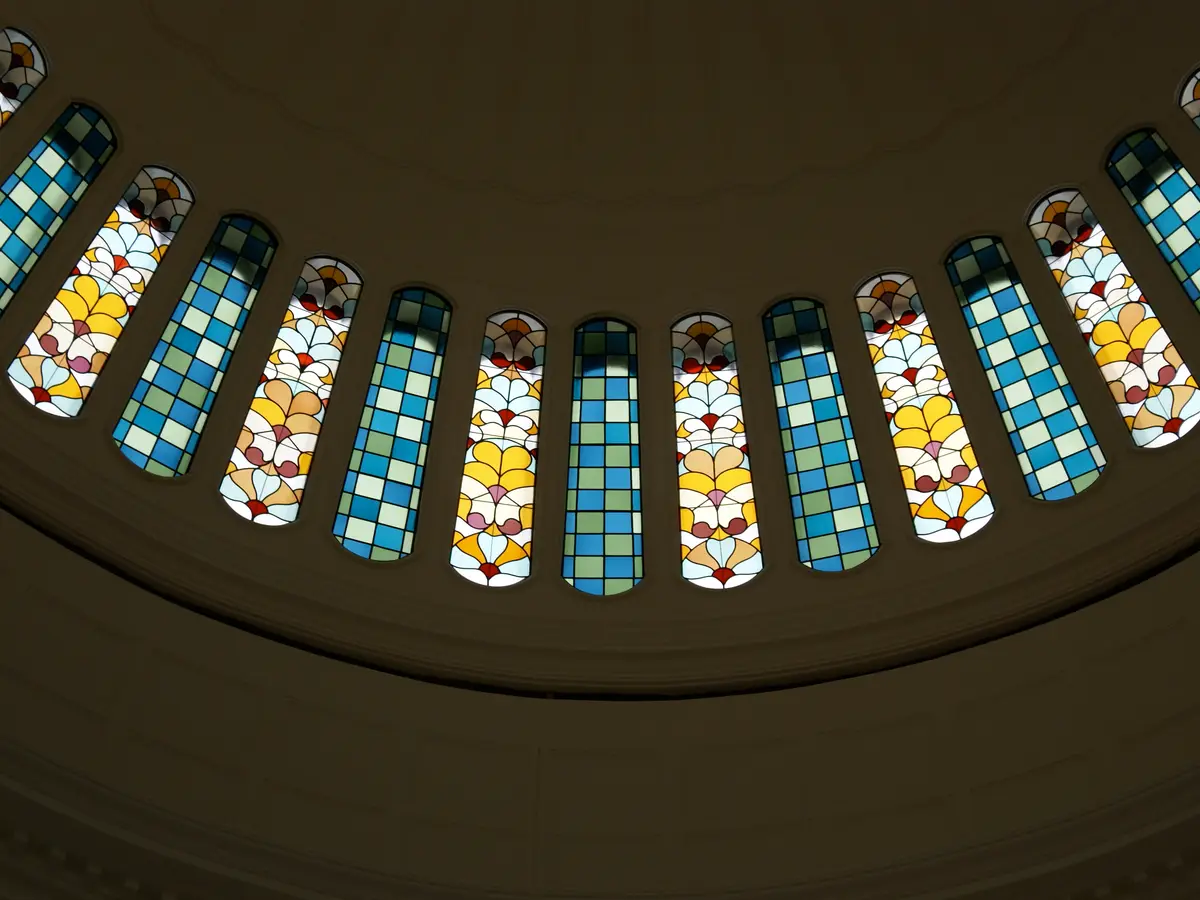 National Museum of Singaporeabout 13 km
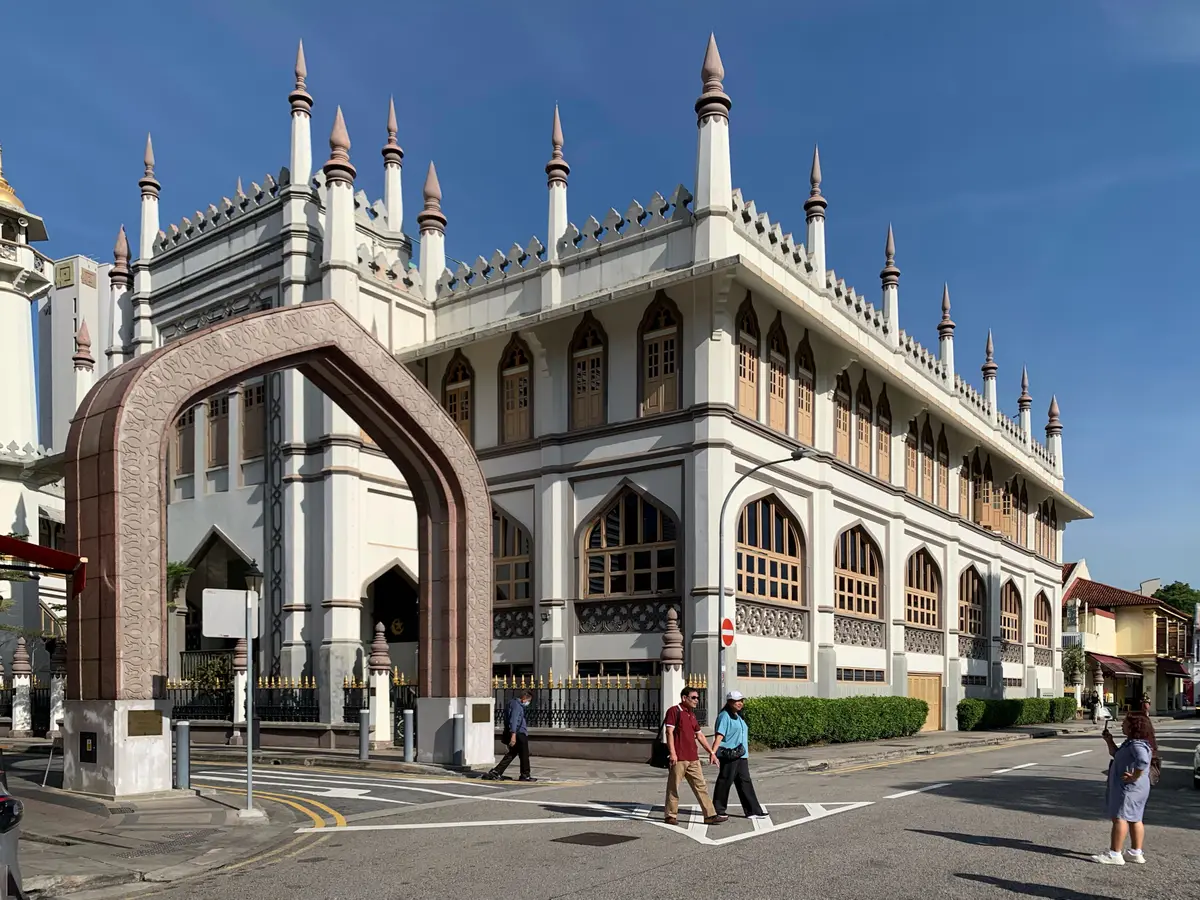 Kampong Glamabout 13 km
Singapore Zoo: common questions
How long do you need at Singapore Zoo?
About 3–4 hr
What are the opening hours of Singapore Zoo?
Daily, with the last admission well before closing. Feeding and keeper sessions run to a timetable published on the day. Individual enclosures close for animal care and rebuilding without notice.
Is there an admission fee at Singapore Zoo?
Ticketed, with separate or combined tickets for the neighbouring parks. Check the operator's site for the current rate.
How far is Singapore Zoo from the Singapore cruise port?
It is about 17 km from the Singapore cruise port in a straight line. The road is longer, and the drive depends on traffic.
How much walking is there at Singapore Zoo?
Long and mostly level, with a good deal of shade and a tram on a loop for those who need it. Expect several kilometres on foot over a full visit.
From people who went
Nobody has written here yet. If you go, leave a line — the next ship reads it.
This place has the writing but not the recording.