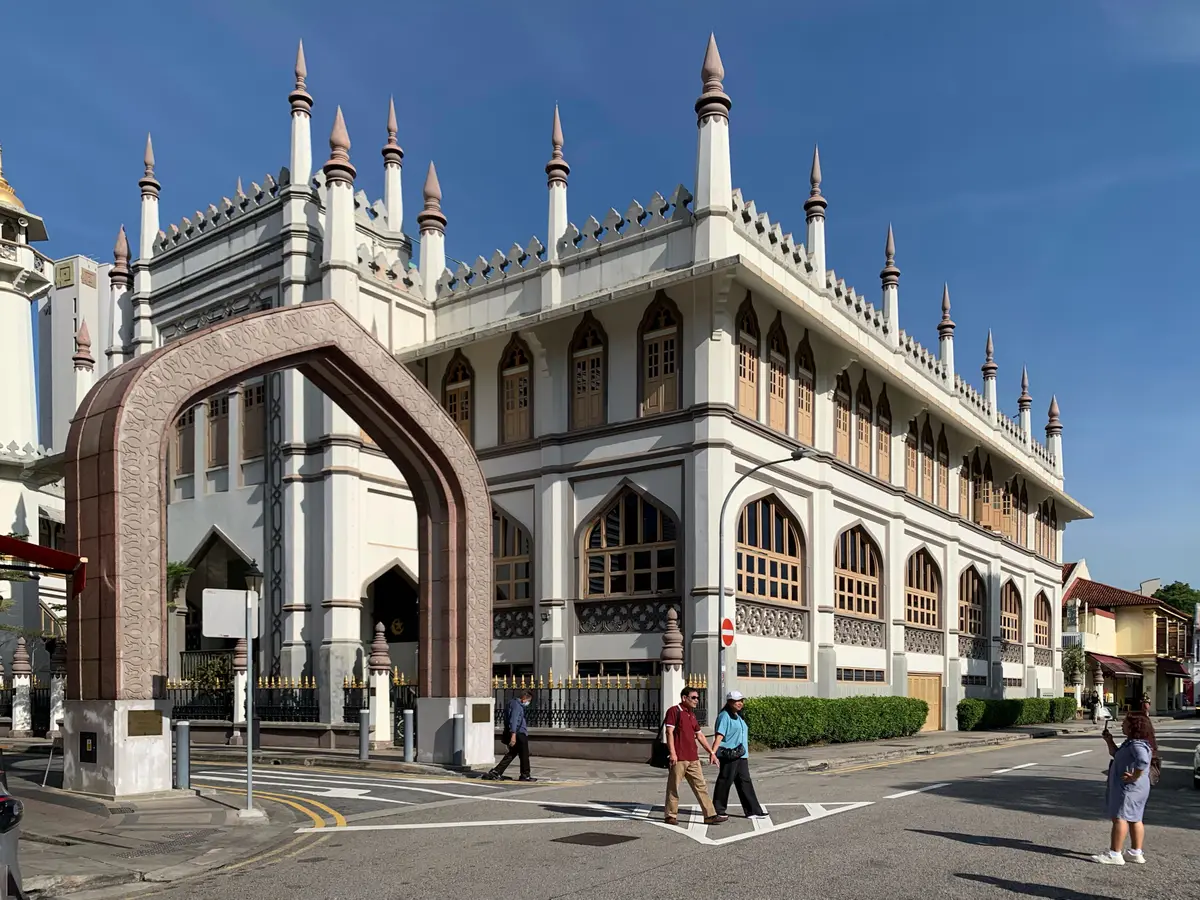
The Malay and Arab quarter set aside in 1822, around a mosque with golden domes.
The smallest of the three heritage quarters and the easiest to walk, with a national monument, a palace museum newly reopened, and one street of murals.
- Time needed
- About 1.5 hr
- Opening hours
- The streets are always open. The mosque admits visitors outside prayer times, with a dress code and robes lent at the door. The heritage centre's galleries are closed on Mondays.
- Admission
- The streets and the mosque are free; the heritage centre charges, with free entry for Singaporeans and permanent residents.
- From the Singapore cruise port
- about 4 kmStraight line; the road is longer.
At a glance
- The name is thought to come from the gelam tree, a Melaleuca; kampong means village
- Raffles' 1822 town plan set this quarter aside for the Sultan and his household and for the Malay and Arab communities
- Sultan Mosque: the first was ordered by Hussein Shah in 1819 and finished in 1826; Raffles gave three thousand dollars towards it
- The present mosque was designed by Denis Santry of Swan & Maclaren, built in stages 1925–1931 and completed in 1932
- The base of each onion dome is set with the sawn-off ends of glass bottles collected from the poor during the rebuilding
- Gazetted a national monument on 8 March 1975, and restored over about two years from 2014
- The Malay Heritage Centre in the Istana Kampong Glam reopened on 25 April 2026 after more than three years
About Kampong Glam
The name is thought to come from the gelam, a Melaleuca tree that grew here; kampong is village. Under the 1819 treaty between the East India Company, Sultan Hussein Shah of Johor and the Temenggong, the Sultan was given a large block of land in this part of the island, and the 1822 town plan formally set the quarter aside for him and his household and for the Malay and Arab communities, many of them merchants. The street names are a record of that trade: Arab Street, Baghdad Street, Bussorah Street, Haji Lane.
Sultan Mosque is the centre of it, and it is really two mosques. The first was ordered by Hussein Shah in 1819 and completed in 1826, funded locally with a contribution of three thousand dollars from Raffles. A century later it was replaced: Denis Santry, an Irish architect at Swan & Maclaren, designed the building you see, and it went up in stages from 1925 to 1931, finishing in 1932 at a cost of two hundred and fifty thousand dollars. The detail worth walking up close for is at the foot of each of the two onion domes. The ring around the base is made of the sawn-off ends of glass bottles, collected from the poor during the rebuilding so that people who could not give money could still give something. It was gazetted a national monument on 8 March 1975 and restored over about two years from 2014, with a plaque marking the completion unveiled in January 2016.
Behind the mosque, at Sultan Gate, stands the Istana Kampong Glam. In 1824 Raffles granted Sultan Hussein Shah about fifty-six acres here, and in the 1840s his son, Sultan Ali Iskandar Shah, engaged George Drumgoole Coleman to build a palace — Palladian in its elements, with Malay motifs. That dating is now unsettled: a stencilled sign and an 1891 newspaper report found in 2026 suggest the building may not have been finished until 1890, and further testing of its age is pending. The estate passed to the state after a succession dispute that reached the courts in 1896 and was decided in 1897, was restored from 2004, and opened in June 2005 as the Malay Heritage Centre, becoming a national monument in 2015. It closed for more than three years and reopened on 25 April 2026 with six revamped galleries under the title Dari Rantau Ke Rumah, From the Region to Home.
The rest of the quarter is conserved shophouses: textile and carpet dealers and shops selling religious goods on Arab Street, and design studios, galleries and cafés on Haji Lane, which is narrow, painted end to end with murals, and the most photographed lane in Singapore.
Visiting Kampong Glam
Good to know
Places near Kampong Glam
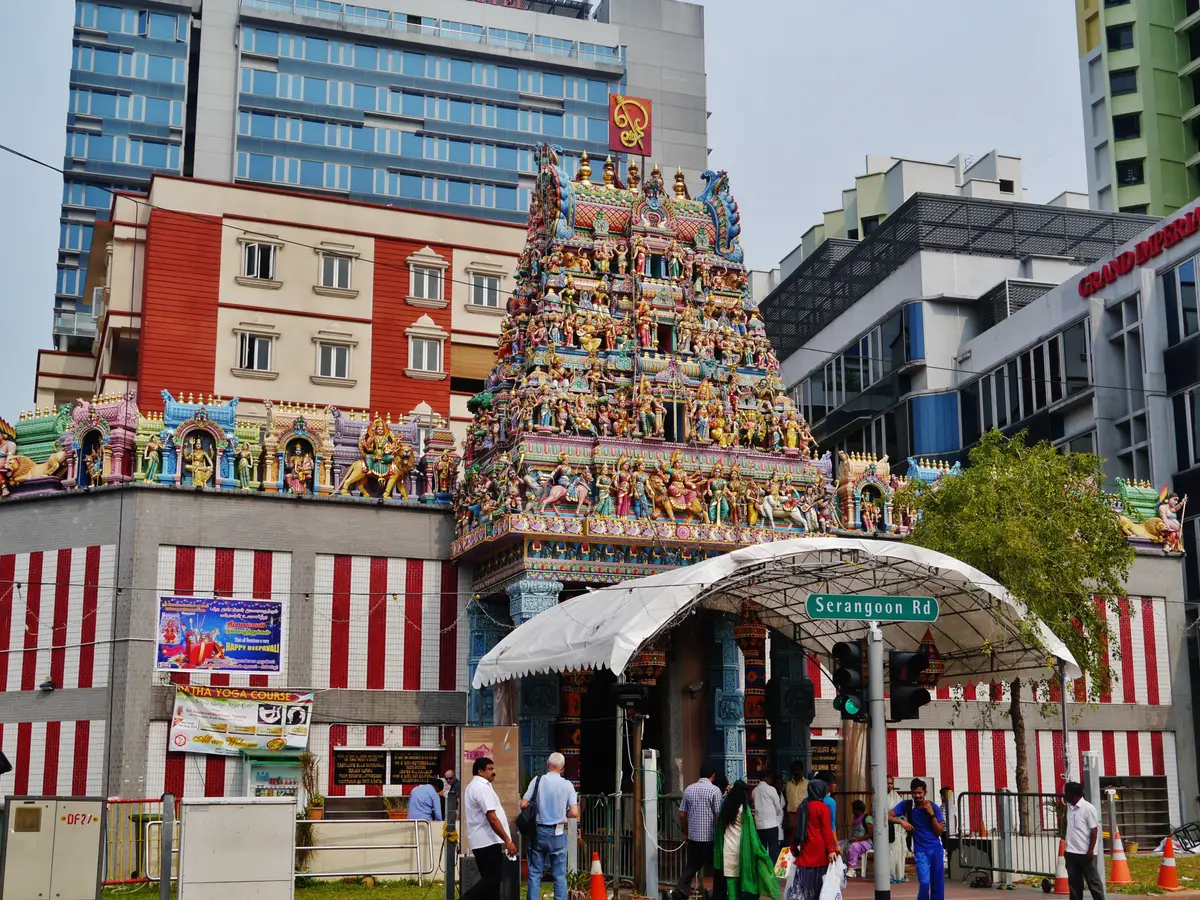 Little Indiaabout 1 km
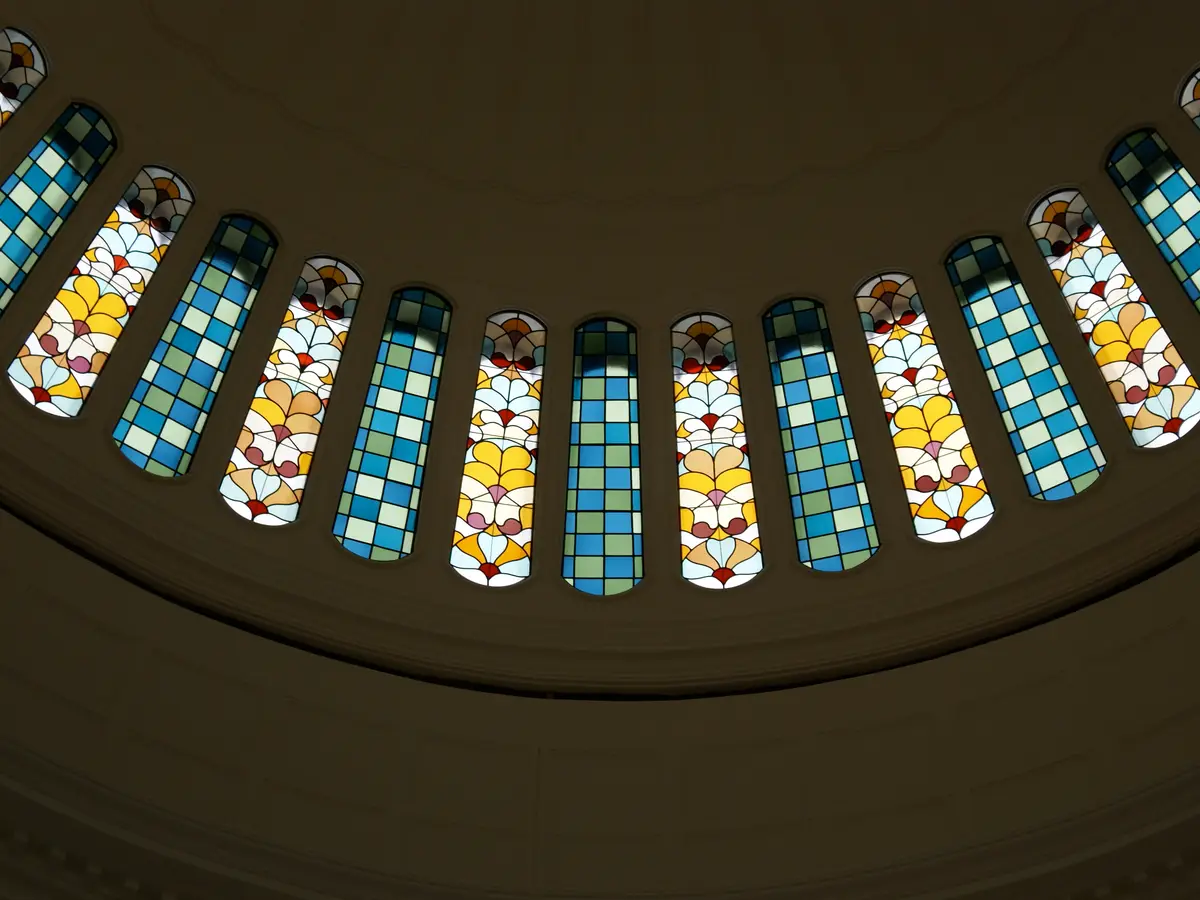 National Museum of Singaporeabout 1 kmCivic District and the Padangabout 2 km
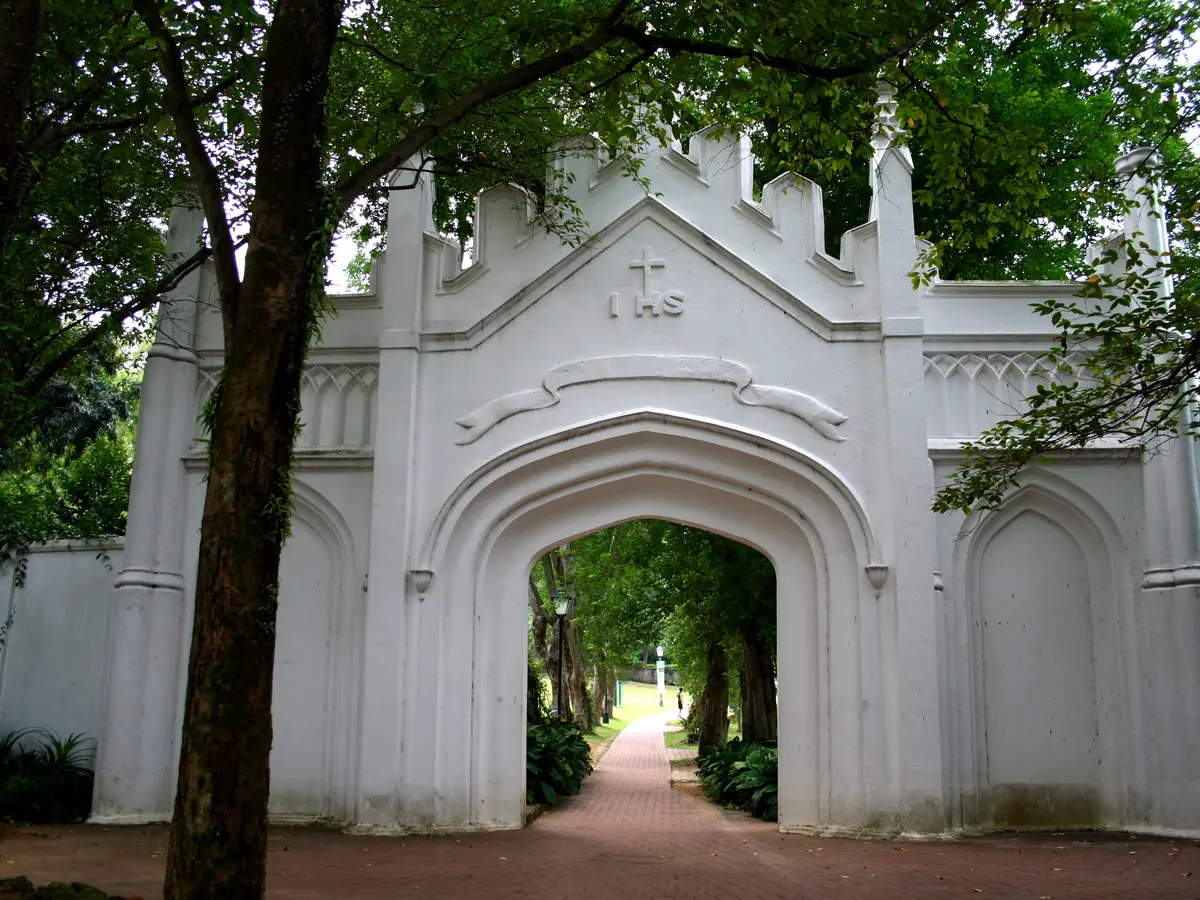 Fort Canning Parkabout 2 km
Kampong Glam: common questions
How long do you need at Kampong Glam?
About 1.5 hr
What are the opening hours of Kampong Glam?
The streets are always open. The mosque admits visitors outside prayer times, with a dress code and robes lent at the door. The heritage centre's galleries are closed on Mondays. The mosque closes to sightseers during the five daily prayers and on Fridays around the congregational prayer.
Is there an admission fee at Kampong Glam?
The streets and the mosque are free; the heritage centre charges, with free entry for Singaporeans and permanent residents.
How far is Kampong Glam from the Singapore cruise port?
It is about 4 km from the Singapore cruise port in a straight line. The road is longer, and the drive depends on traffic.
How much walking is there at Kampong Glam?
Flat and compact; the whole quarter is about 600 m across. Bussorah Street is pedestrian and stone-paved.
From people who went
Nobody has written here yet. If you go, leave a line — the next ship reads it.
This place has the writing but not the recording.