The colonial administrative quarter round an open playing field, with two courthouses turned into an art museum.
The densest walk in Singapore: an 1819 encampment ground, two 1930s courthouses, a Victorian cathedral and a major art museum inside 400 m of flat pavement.
- Time needed
- About 1.5–2 hr
- Opening hours
- The Padang and the surrounding streets are open ground. The museums and the cathedral keep their own hours and the cathedral closes to sightseers during services.
- Admission
- The Padang, the streets and the cathedral are free to enter; the National Gallery and the Asian Civilisations Museum are ticketed, with free entry for Singaporeans and permanent residents.
- From the Singapore cruise port
- about 3 kmStraight line; the road is longer.
At a glance
- The Padang, the open field beside the river mouth where the British made their encampment in 1819
- On 17 February 1942, two days after the surrender, the Japanese used it as the gathering point for Europeans and Eurasians before internment
- National Gallery Singapore, opened 24 November 2015 in the former Supreme Court and former City Hall
- The former City Hall was built 1926–1929; the former Supreme Court was declared open on 3 August 1939
- St Andrew's Cathedral, the present building constructed 1856–1861; its nave reopened on 24 December 2023
- The Asian Civilisations Museum in the Empress Place Building beside the river
- The Padang was gazetted a national monument on 9 August 2022, Singapore's 75th and the first green open space listed
About Civic District and the Padang
The Civic District is the quarter where Singapore was governed, and the thing it is arranged around is a field. The Padang — the word is simply Malay for field — was the only open plain near the river mouth, and the British made their encampment on it in 1819; the accounts name William Farquhar, the first Resident, though the National Heritage Board's own monument page names no one. It was used for recreation from at least the 1830s, and for most of its life it has been a cricket, football and rugby pitch, with the Singapore Cricket Club clubhouse on one end from 1852 and the Singapore Recreation Club on the other from 1884. From the 1830s to the early twentieth century the field itself was called the Esplanade.
Its history is not only sporting. In 1887 a bronze Raffles was put up in the middle of it for Queen Victoria's Golden Jubilee, and moved away in 1919. On 17 February 1942, two days after the surrender, the field was where Europeans and Eurasians were made to assemble before being marched to internment, and in June 1945 the Indian National Army paraded on it. It hosted the first National Day Parade and has held it on a regular cycle since, and was the venue for several years while the usual floating platform was rebuilt — though the 2026 parade was held at the National Stadium. Three of the Singapore River bridges were gazetted together on 15 October 2019, and the Padang itself followed on 9 August 2022, as Singapore's 75th national monument and the first green open space to be listed.
On the field's western side stand two buildings that were the colony's courts and council and are now one art museum. The former City Hall was built between 1926 and 1929 as the Municipal Building; the former Supreme Court was declared open on 3 August 1939. In 2015 the two were joined by bridges and a new basement and opened on 24 November as National Gallery Singapore, a conversion by studioMilou Singapore with CPG Consultants. It holds more than 9,000 works across about 64,000 square metres, and the collection is Singaporean and Southeast Asian rather than European.
Two more are worth the walk. St Andrew's Cathedral, Anglican, stands across the road: a church has been on the site since 1836 and the present white building was constructed between 1856 and 1861, after the first one — designed by George Drumgoole Coleman, with a spire added in 1842 that had no lightning conductor and was struck twice — was declared unsafe and demolished. Its nave closed in January 2022 and reopened on 24 December 2023. Down beside the river, the Empress Place Building holds the Asian Civilisations Museum.
Visiting Civic District and the Padang
Good to know
Places near Civic District and the Padang
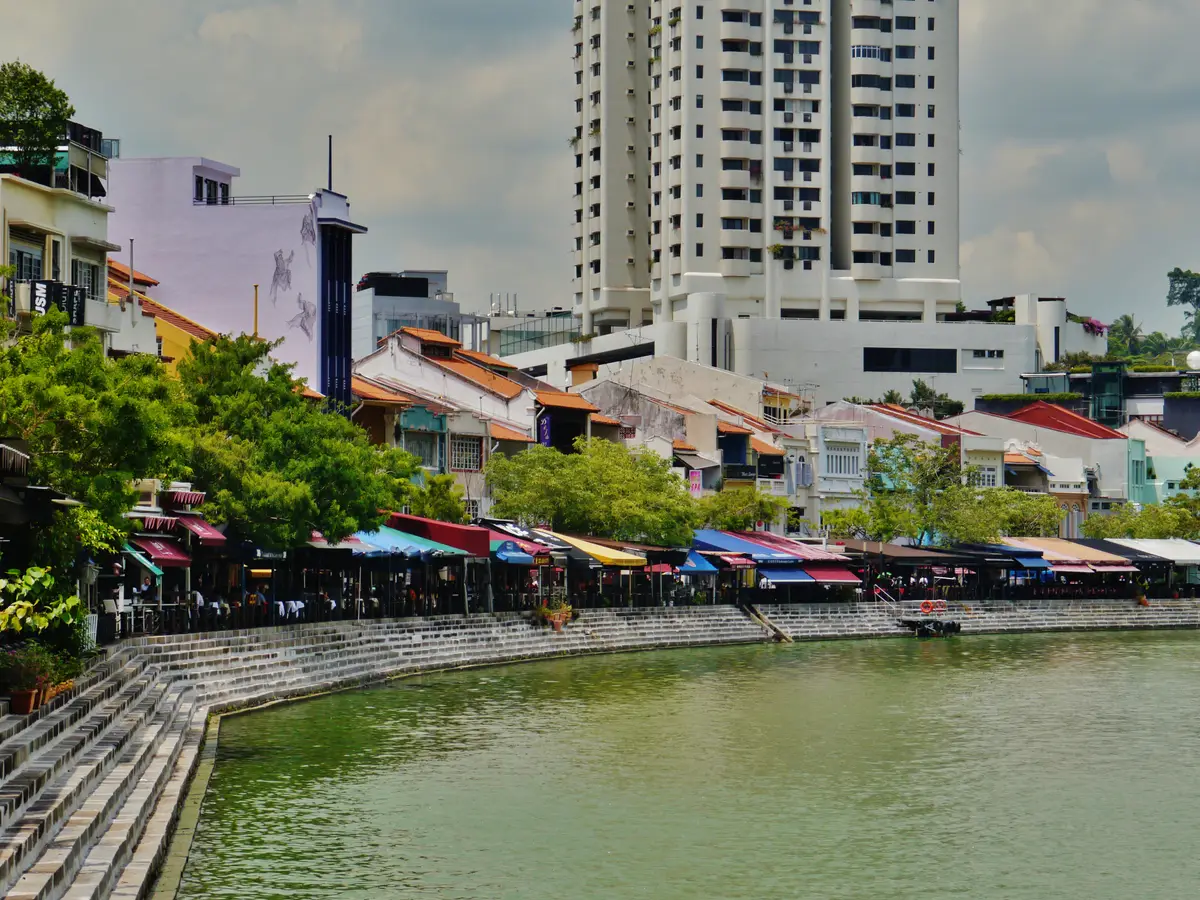 Singapore River and the Quaysunder 1 km
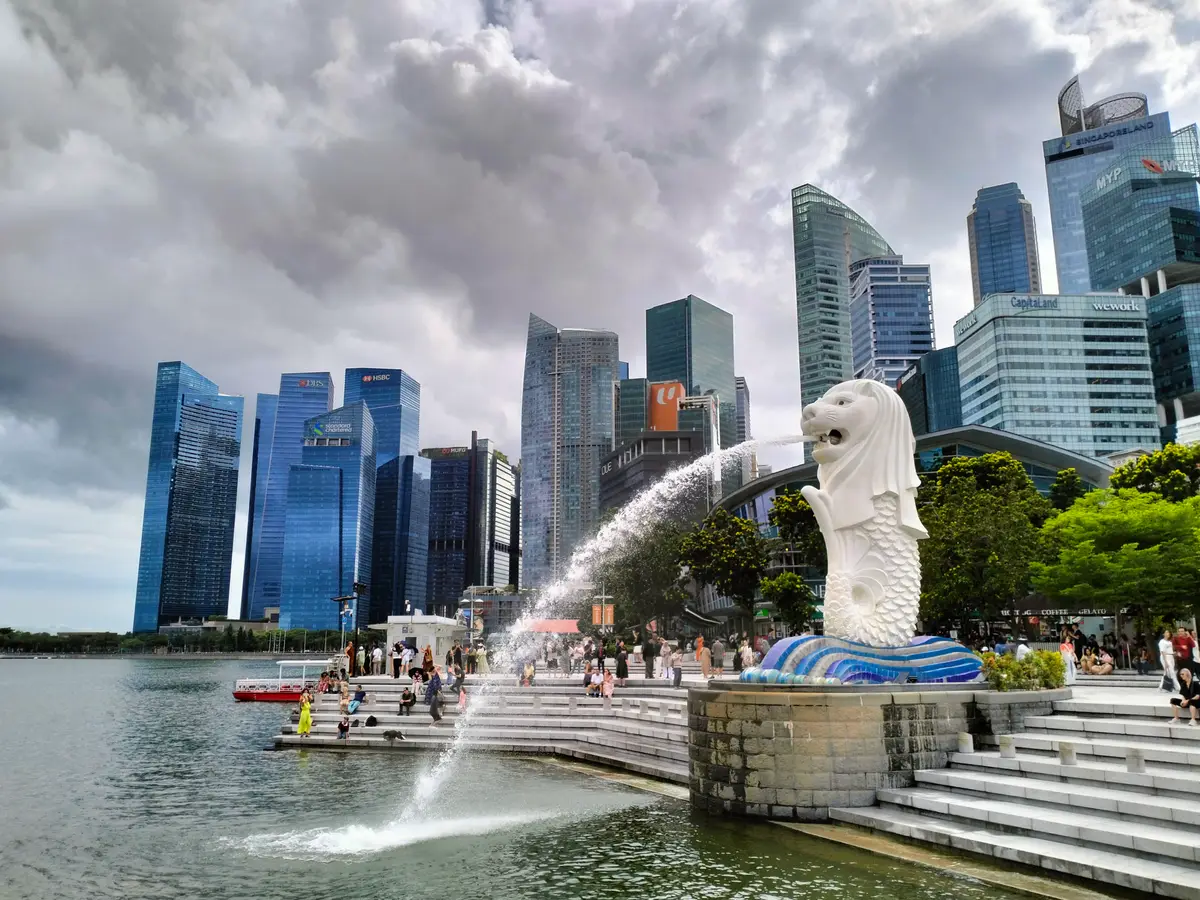 Merlion Parkunder 1 km
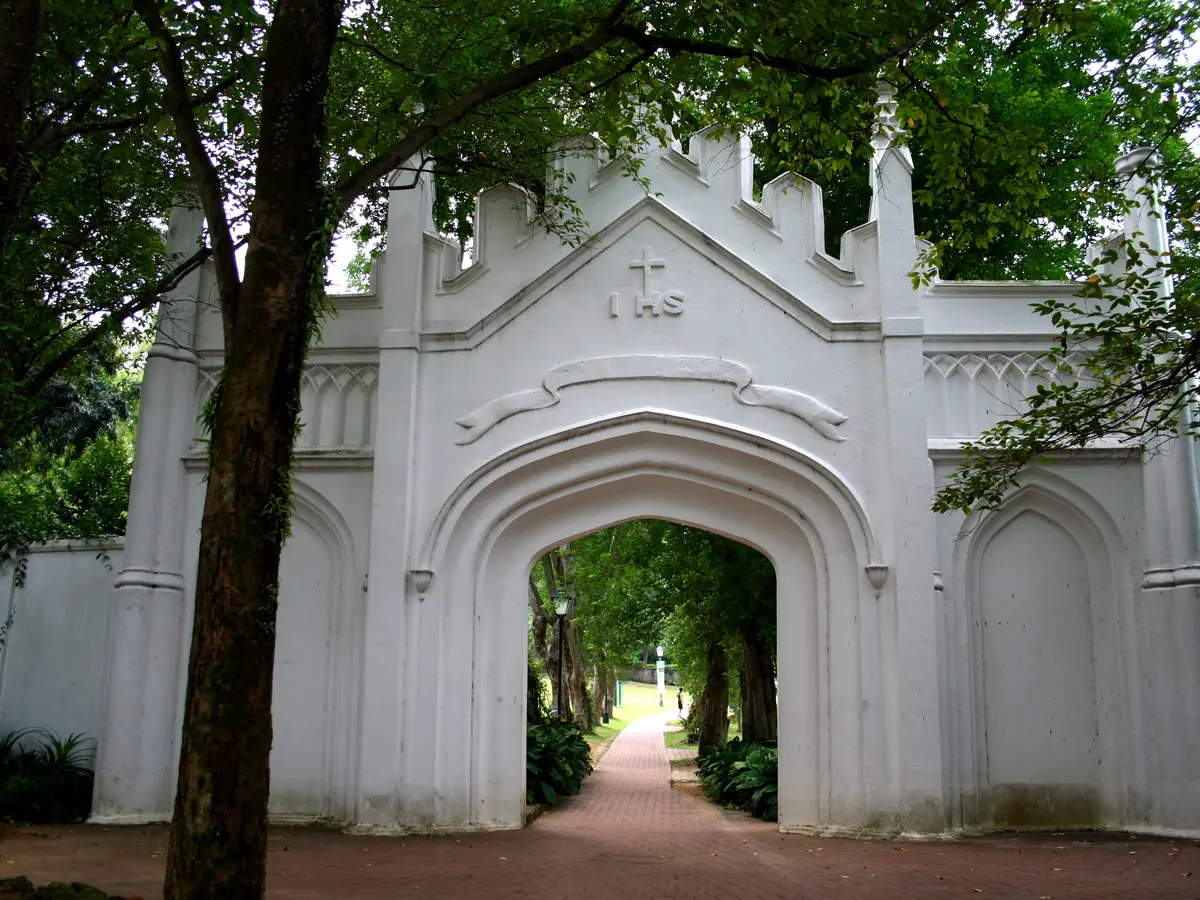 Fort Canning Parkunder 1 km
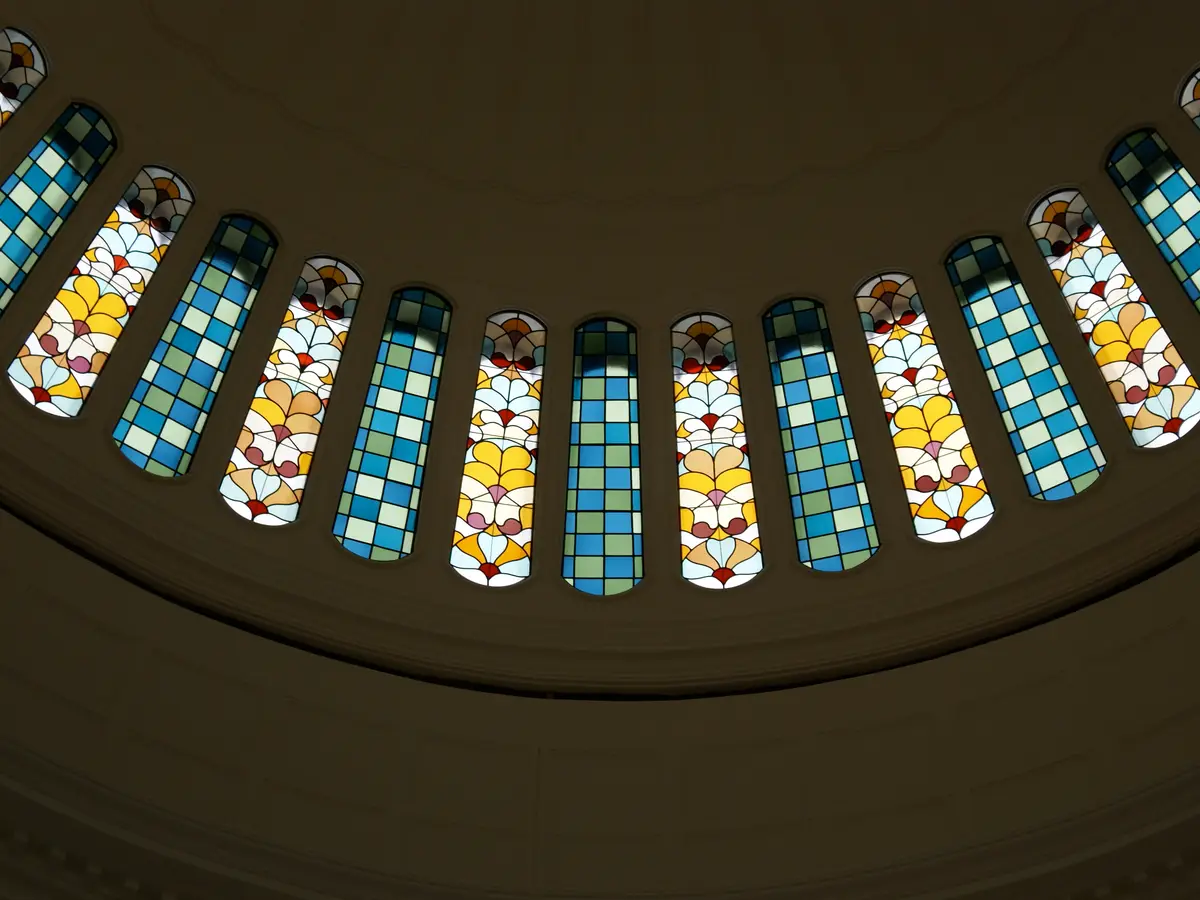 National Museum of Singaporeunder 1 km
Civic District and the Padang: common questions
How long do you need at Civic District and the Padang?
About 1.5–2 hr
What are the opening hours of Civic District and the Padang?
The Padang and the surrounding streets are open ground. The museums and the cathedral keep their own hours and the cathedral closes to sightseers during services. The Padang is fenced off for weeks at a time for the National Day Parade and its rehearsals, and for other large events.
Is there an admission fee at Civic District and the Padang?
The Padang, the streets and the cathedral are free to enter; the National Gallery and the Asian Civilisations Museum are ticketed, with free entry for Singaporeans and permanent residents.
How far is Civic District and the Padang from the Singapore cruise port?
It is about 3 km from the Singapore cruise port in a straight line. The road is longer, and the drive depends on traffic.
How much walking is there at Civic District and the Padang?
Flat pavement throughout, and the four main buildings stand within about 400 m of each other. The Padang itself has no shade at all.
From people who went
Nobody has written here yet. If you go, leave a line — the next ship reads it.
This place has the writing but not the recording.