A dense district of workshops and homes, and an argument about visiting it.
It is one of the things operators sell at this port, and a guest will hear the name, so it is written here plainly. It needs a local guide, two to three hours and a clear head about why you are going. Nobody should feel they have to.
- Time needed
- About 2–3 hours with a guide
- Opening hours
- A neighbourhood, not a site. Workshops run through the working day and the lanes are quietest early.
- Admission
- No ticket exists. Guided walks are sold by operators; some are run by people who live here and put money back into the area, and it is worth asking which.
- From the Mumbai cruise port
- about 13 kmStraight line; the road is longer.
At a glance
- A dense working district of about 2.39 sq km between Mahim, the Mithi River and Matunga
- Population estimates run from 300,000 to around a million; no figure is settled
- It began in 1884 under colonial rule, on the ground of a Koli fishing village called Koliwada
- The first tannery moved out here from the old city in 1887; potters came from Gujarat and embroidery workers from Uttar Pradesh
- Leather, garments, pottery and recycling: about 5,000 businesses and some 15,000 one-room workshops, counted in 2010
- Annual turnover is estimated in the hundreds of millions of US dollars, almost all of it informal
- A redevelopment scheme has been proposed since 1997; the present tender went to an Adani company, a challenge to it is still before the Supreme Court, and the first rehabilitation towers were begun in October 2026
About Dharavi
Dharavi covers about 2.39 square kilometres, with Mahim and Bandra to the west, the Mithi River to the north and Matunga to the south, and it is usually introduced as one of the largest slums in the world. That is the sentence worth examining, because the first thing to know is how little is known: population estimates for this one district run from three hundred thousand to around a million, and the real figure has never been established.
It began in 1884. Before that the ground was a thinly settled Koli fishing village called Koliwada, on what had been marsh and mangrove. The colonial administration pushed noxious trades out of the old city, and the first tannery arrived in 1887. Potters came from Gujarat, embroidery workers from Uttar Pradesh, and the district grew by absorbing the trades and the people the city centre did not want. It still does the same work: leather, garments, pottery and, above all, recycling, which processes waste from the rest of Mumbai. A 2010 count put it at some five thousand businesses and fifteen thousand single-room workshops, and estimates of the annual turnover run from several hundred million US dollars to more than a billion, almost none of it recorded anywhere.
Redevelopment has been proposed since 1997, with one scheme after another. The current one is a large project. Its tender went to an Adani company; the Bombay High Court dismissed a rival bidder's challenge in December 2024, that challenge is still before the Supreme Court, which has refused to stay the project; the door-to-door survey of residents closed in August 2025; and in October 2026 ground was broken on the first rehabilitation towers. What it will mean for the people who live and work here is contested, and being contested is its present condition.
Whether an outsider should walk through it at all is a fair question, and it is argued about in this city. Tours exist, some of them saying their guides grew up here. If you go, go with a guide who lives or works in the district, ask where the fee goes, do not photograph a person or an interior without being asked in, and understand that you are in a working neighbourhood where nothing has been arranged for you. If that does not sit right, do not go. The reading is available and the walk is not compulsory.
Visiting Dharavi
Good to know
Places near Dharavi
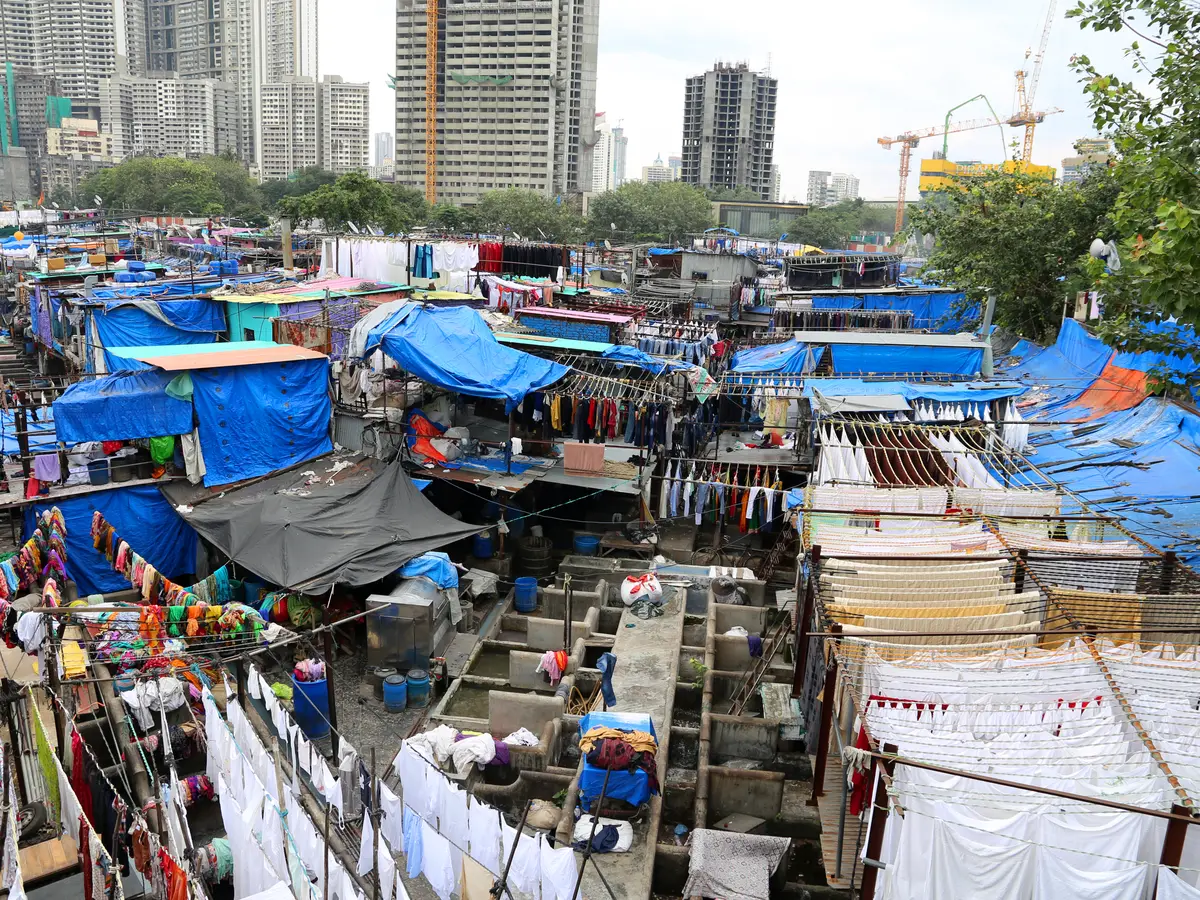 Mahalaxmi Dhobi Ghatabout 8 km
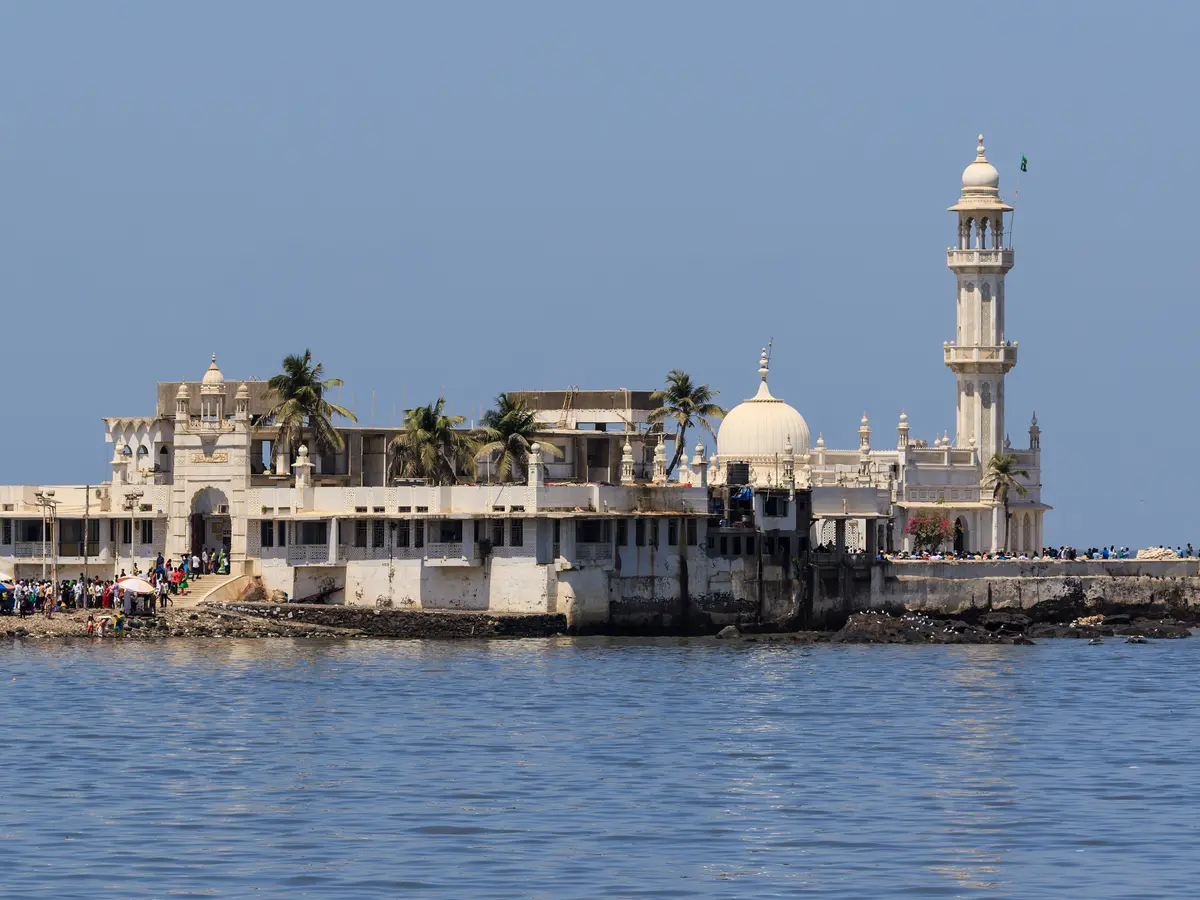 Haji Ali Dargahabout 9 km
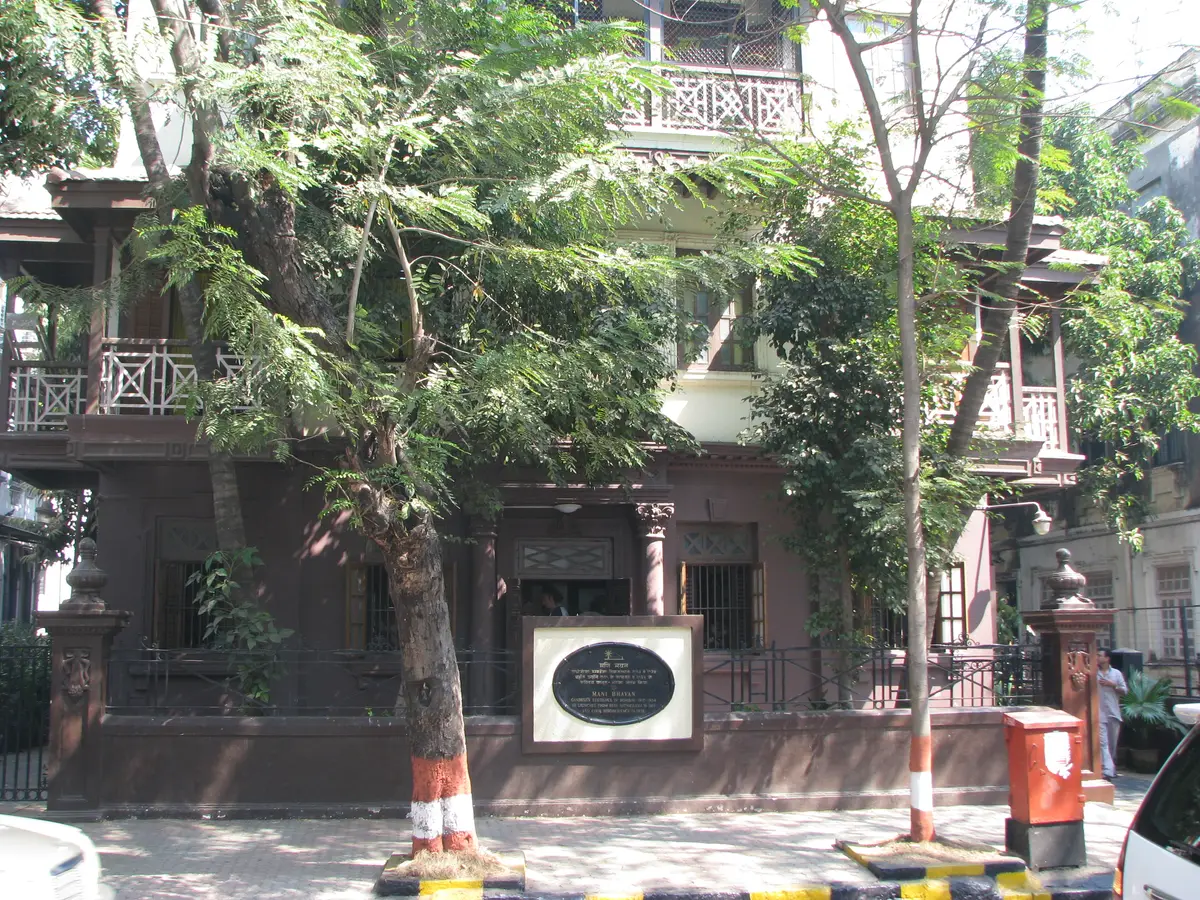 Mani Bhavanabout 11 kmMumba Devi Templeabout 11 km
Dharavi: common questions
How long do you need at Dharavi?
About 2–3 hours with a guide
What are the opening hours of Dharavi?
A neighbourhood, not a site. Workshops run through the working day and the lanes are quietest early. Nothing opens or closes. Many workshops do not work on Sundays.
Is there an admission fee at Dharavi?
No ticket exists. Guided walks are sold by operators; some are run by people who live here and put money back into the area, and it is worth asking which.
How far is Dharavi from the Mumbai cruise port?
It is about 13 km from the Mumbai cruise port in a straight line. The road is longer, and the drive depends on traffic.
How much walking is there at Dharavi?
Very narrow lanes, low doorways, steps, open drains and uneven ground. Not suitable for anyone unsteady on their feet.
From people who went
Nobody has written here yet. If you go, leave a line — the next ship reads it.
This place has the writing but not the recording.