The shrine of the goddess the city took its name from.
Twenty minutes, ten minutes on foot from Crawford Market, and the shortest answer to the question of where the city's name came from. Small, crowded, and a working shrine rather than a sight.
- Time needed
- About 20–30 min, far longer if you join the darshan queue
- Opening hours
- A working temple that keeps a long day, with six aartis from early morning to late evening; busiest on Tuesdays, Fridays and at festivals. Check the temple trust for the day you come.
- Admission
- Free. Photography inside a shrine is often not allowed; look for a sign or ask.
- From the Mumbai cruise port
- about 3 kmStraight line; the road is longer.
At a glance
- The temple of the goddess the city is named after: Mumbai, from Mumba Devi
- Her people were the Koli, the Marathi-speaking fisherfolk of the seven islands, who built the first temple
- The original stood near the old fort and was pulled down in the eighteenth century; this one replaced it
- The image is black stone, with a silver crown, a nose stud and a gold necklace
- A stone Annapurna seated on a peacock stands to the left of the shrine
- A tiger, the goddess's mount, faces the shrine from in front of it
- It stands in Bhuleshwar, at the north end of Zaveri Bazaar, among the cloth, hardware and jewellery markets
About Mumba Devi Temple
This is the temple the city is named after. Her own temple describes Mumba Devi as a form of Shakti; she is the patron deity of the Koli, the Marathi-speaking fishing people who lived on the seven islands long before anyone called the place Bombay, and it was Koli fishermen who built her first temple. Mumbai, the name the city went back to, is her name.
That first temple did not stand here. It stood somewhere near the old fort, at the northern end of what is now the business district, and it was pulled down in the eighteenth century as the English rebuilt the fortifications. The sources disagree about the exact spot and about the year. The shrine was re-established where it is now, in Bhuleshwar, and that is the temple you walk into.
Inside, the goddess is a black stone image wearing a silver crown, a nose stud and a gold necklace. To the left of her stands a stone Annapurna seated on a peacock. In front of the shrine is a tiger, which is her mount. The shrine is small and looking at it is quick. Joining the queue for darshan is a different matter: on a busy day it has been reported at three to four hours, which is most of a shore day.
What makes it worth the walk is where it sits. You reach it through Bhuleshwar, at the north end of Zaveri Bazaar, which is the jewellery market, with the cloth trade packed around it. The lanes are narrow, loud and full of handcarts, and the temple is simply one more doorway in them — which is the honest shape of the thing, because this was a fishing village's shrine long before it was a landmark, and the city grew up around it rather than the other way about.
Visiting Mumba Devi Temple
Good to know
Places near Mumba Devi Temple
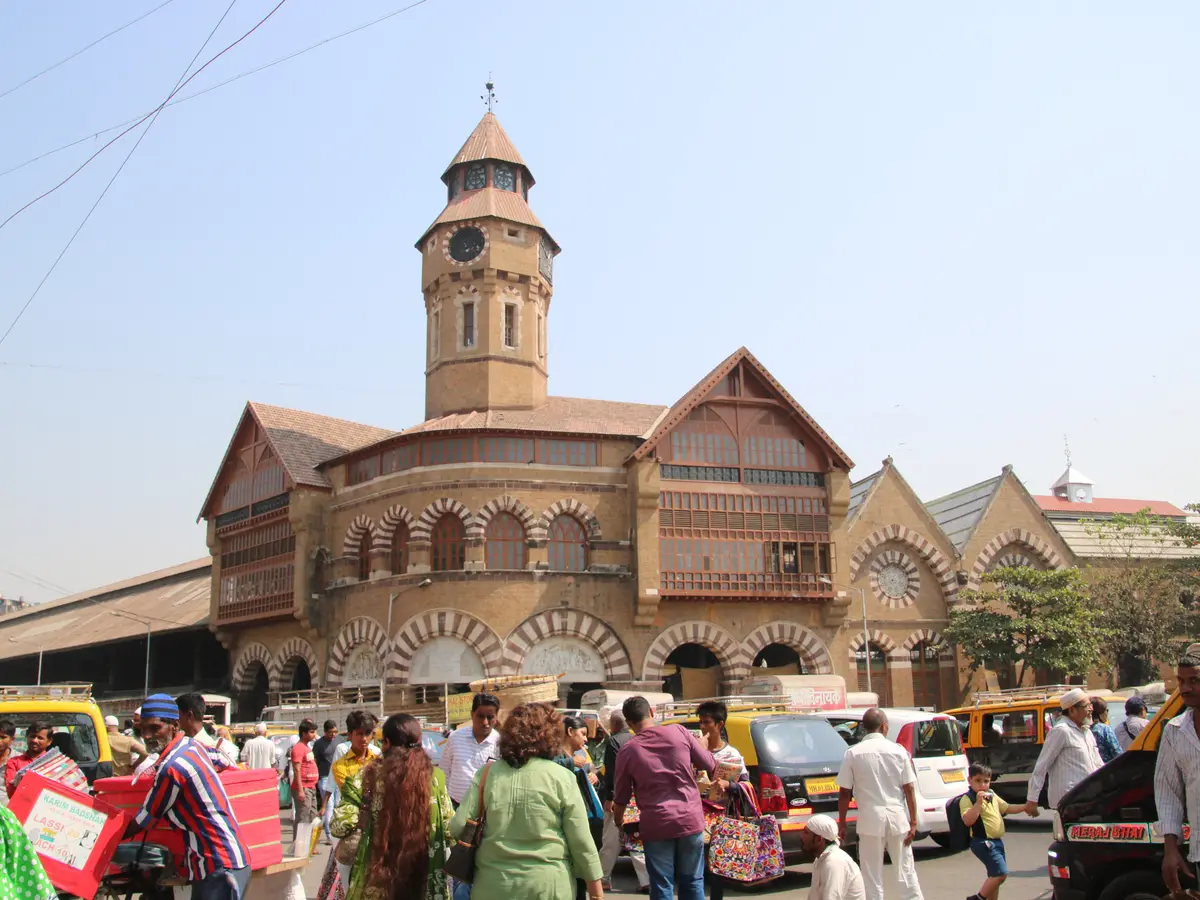 Crawford Marketunder 1 kmChhatrapati Shivaji Maharaj Terminusabout 1 km
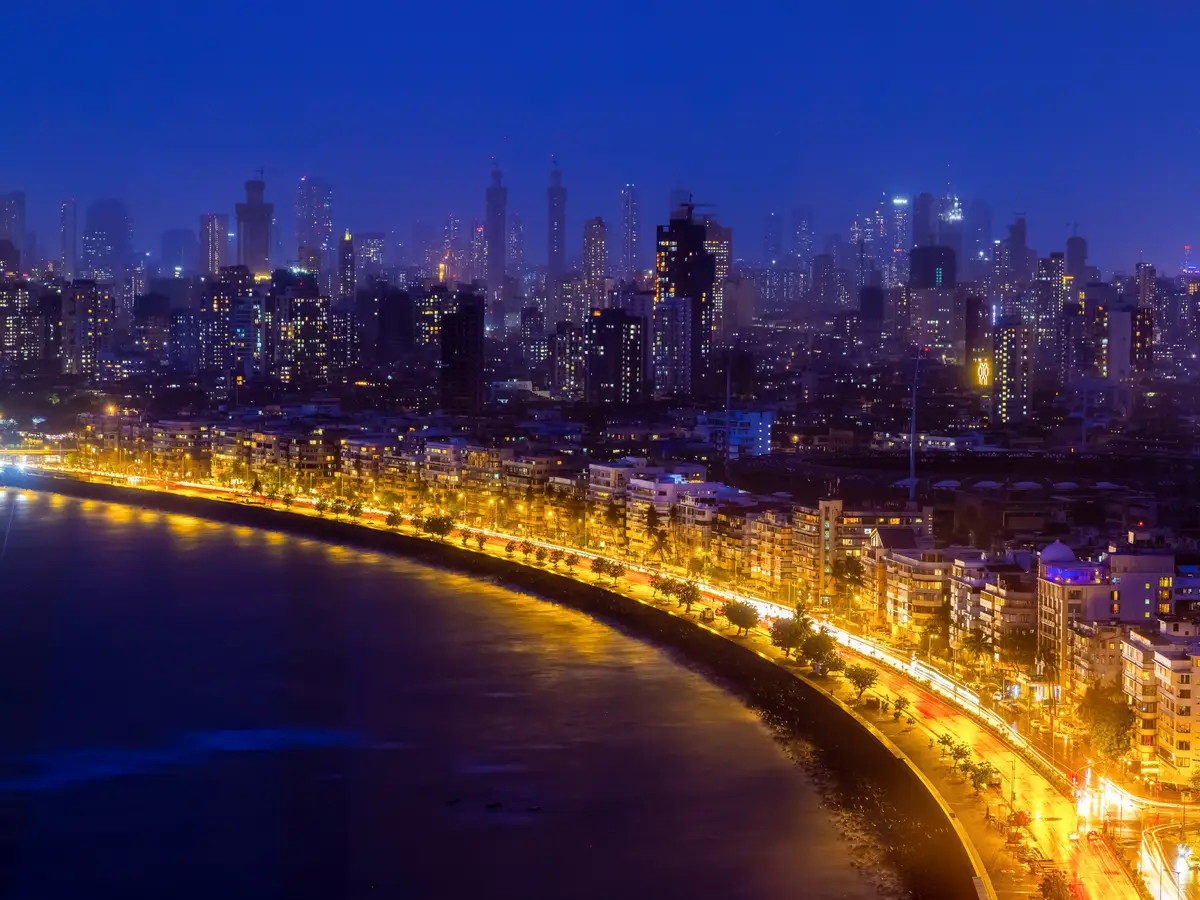 Marine Driveabout 2 km
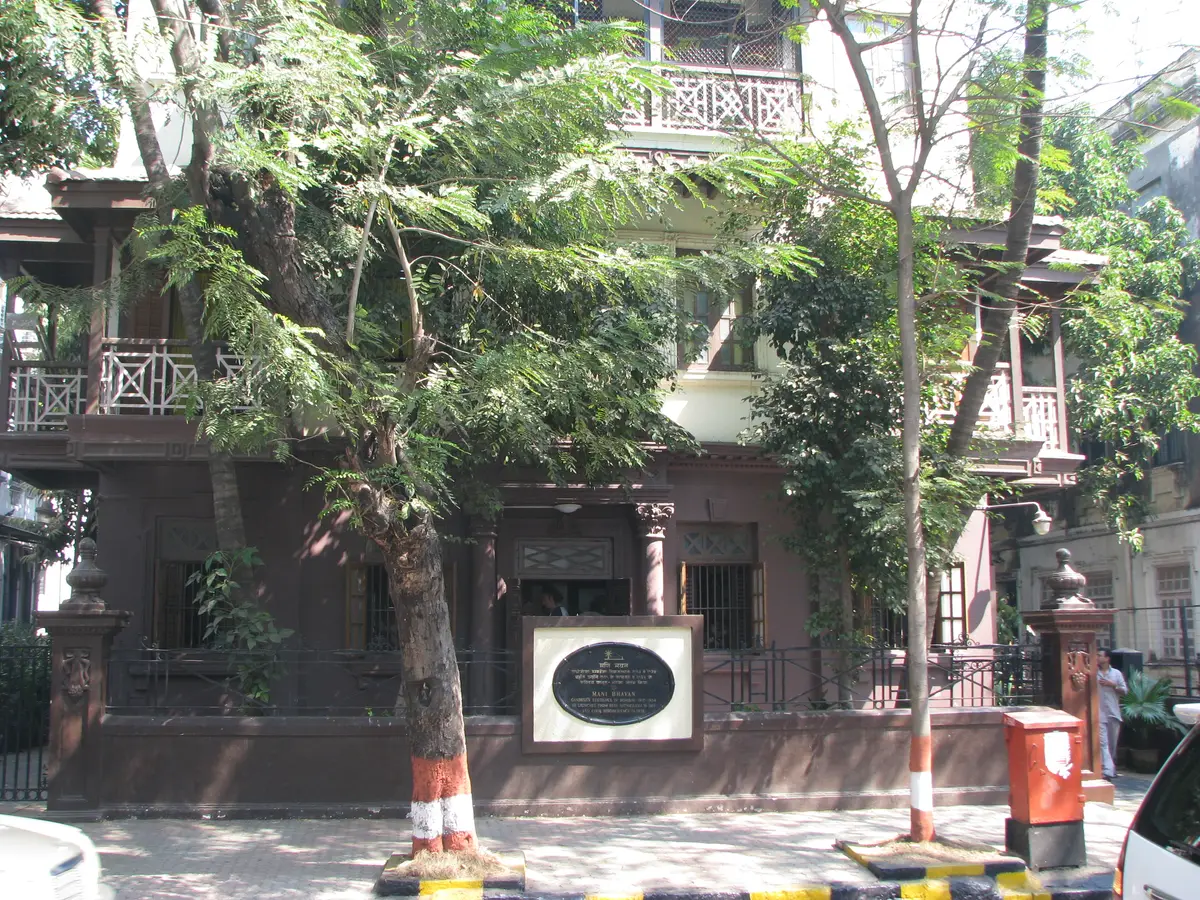 Mani Bhavanabout 2 km
Mumba Devi Temple: common questions
How long do you need at Mumba Devi Temple?
About 20–30 min, far longer if you join the darshan queue
What are the opening hours of Mumba Devi Temple?
A working temple that keeps a long day, with six aartis from early morning to late evening; busiest on Tuesdays, Fridays and at festivals. Check the temple trust for the day you come. No regular closing day, and nothing is arranged for visitors. On a busy day the queue for darshan has been reported at three to four hours.
Is there an admission fee at Mumba Devi Temple?
Free. Photography inside a shrine is often not allowed; look for a sign or ask.
How far is Mumba Devi Temple from the Mumbai cruise port?
It is about 3 km from the Mumbai cruise port in a straight line. The road is longer, and the drive depends on traffic.
How much walking is there at Mumba Devi Temple?
Reached through narrow market lanes that are crowded and often blocked by handcarts. Shoes come off at the door; the floor is marble and may be wet.
From people who went
Nobody has written here yet. If you go, leave a line — the next ship reads it.
This place has the writing but not the recording.