A Victorian Gothic railway terminus of 1888, and a World Heritage Site.
Ten minutes from the berth, and the one World Heritage building in Mumbai that is still doing the job it was built for. Best taken as an exterior and a few minutes in the concourse rather than a long visit.
- Time needed
- About 30–45 min
- Opening hours
- A working station, open around the clock. The heritage building has been floodlit in the evenings since 2022.
- Admission
- Nothing to pay to look at it from outside. The railway runs heritage tours of the building, booked in advance online rather than at the door.
- From the Mumbai cruise port
- about 1 kmStraight line; the road is longer.
At a glance
- A working railway terminus and a UNESCO World Heritage Site, inscribed in 2004
- Designed by Frederick William Stevens from an initial design by Axel Haig; built from 1878 and opened on 20 May 1888
- Opened as Victoria Terminus, renamed Chhatrapati Shivaji Terminus in 1996 and given the fuller name in 2017
- Victorian Gothic Revival with Indian detail — UNESCO's own words are Victorian Italianate Gothic Revival merged with Indian traditional architecture
- An octagonal ribbed dome crowned by a figure of Progress holding a torch and a spoked wheel
- 18 platforms, 11 for long-distance trains and 7 for suburban services
- Two of the gunmen of 26 November 2008 opened fire in the passenger hall here; 58 people were killed
About Chhatrapati Shivaji Maharaj Terminus
CSMT is a railway station that happens also to be a World Heritage Site, and it is worth seeing in that order. Work began in 1878 on the site of the older Bori Bunder station, and the building opened on 20 May 1888 as Victoria Terminus, named for the queen's golden jubilee. It was renamed Chhatrapati Shivaji Terminus in 1996, after the Maratha ruler, and given its present longer name in 2017. Mumbai still calls it VT or CST.
The architect was Frederick William Stevens, working from an initial design by Axel Haig. The style is Victorian Gothic Revival carrying Indian detail, and UNESCO's nomination for it, inscribed in 2004, treats that fusion as the point: a European railway cathedral built with Indian craft traditions, which went on to shape how public buildings in the city looked. Stand across the road and look for the octagonal ribbed dome and, on top of it, an allegorical figure of Progress holding a torch in one hand and a spoked wheel in the other. A marble Queen Victoria once stood under the clock; it was removed in the 1950s and nobody knows where it is now.
It is also one of the busiest stations in the country, with eighteen platforms, eleven of them for long-distance trains and seven for the suburban lines that carry the city to work. And it is a place of mourning. On 26 November 2008 two gunmen walked into the passenger hall and opened fire, killing 58 people. There is a memorial inside. Since 2022 the building has been lit at night, often in the colours of a festival or a national day.
Visiting Chhatrapati Shivaji Maharaj Terminus
Good to know
Places near Chhatrapati Shivaji Maharaj Terminus
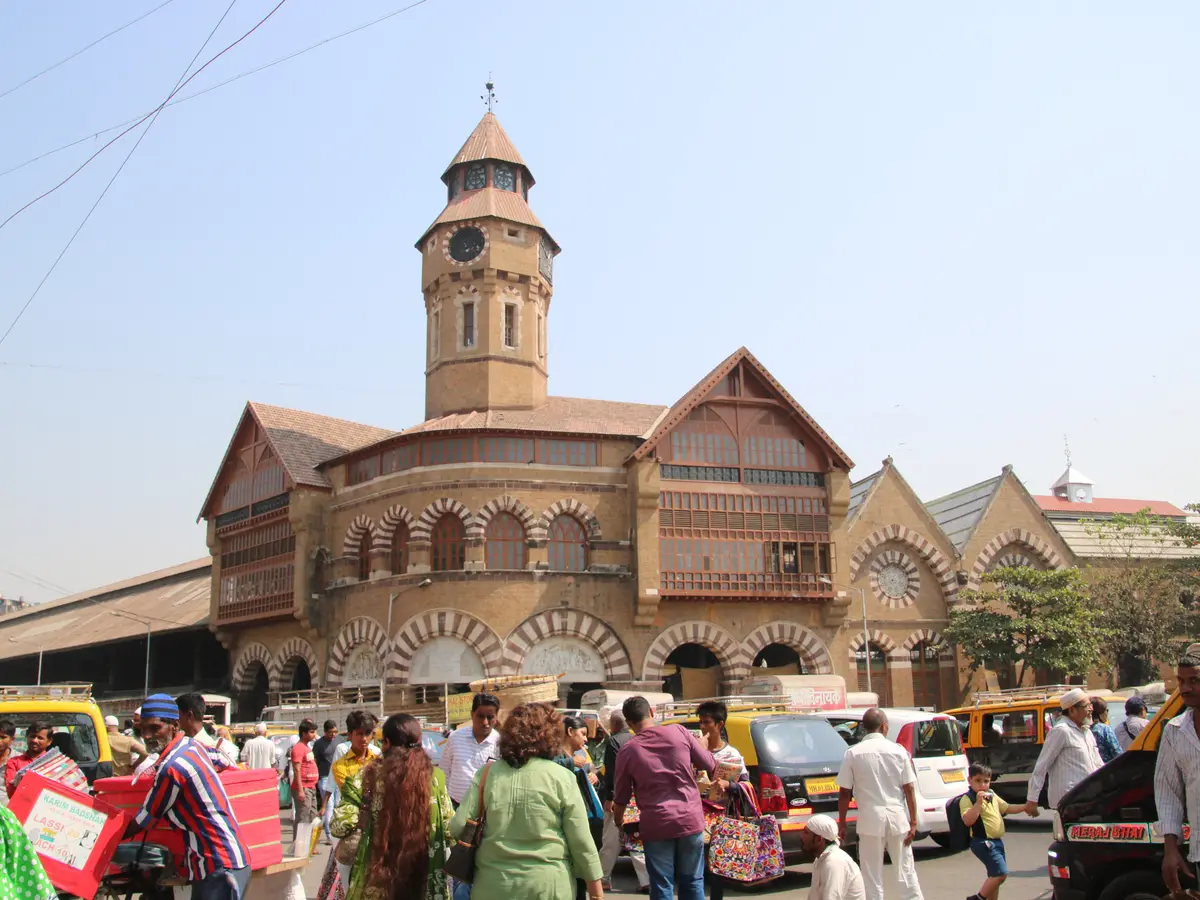 Crawford Marketunder 1 km
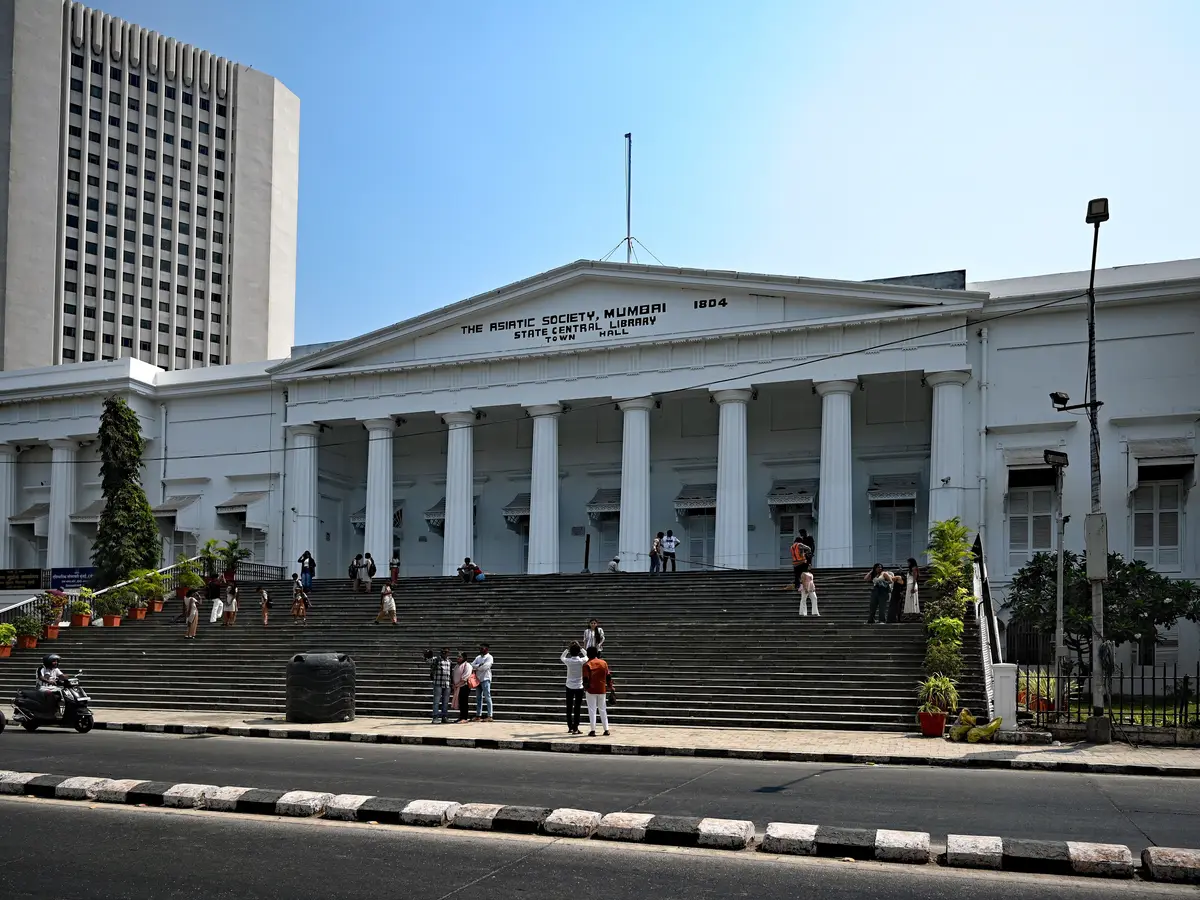 The Asiatic Society and the Town Hallunder 1 km
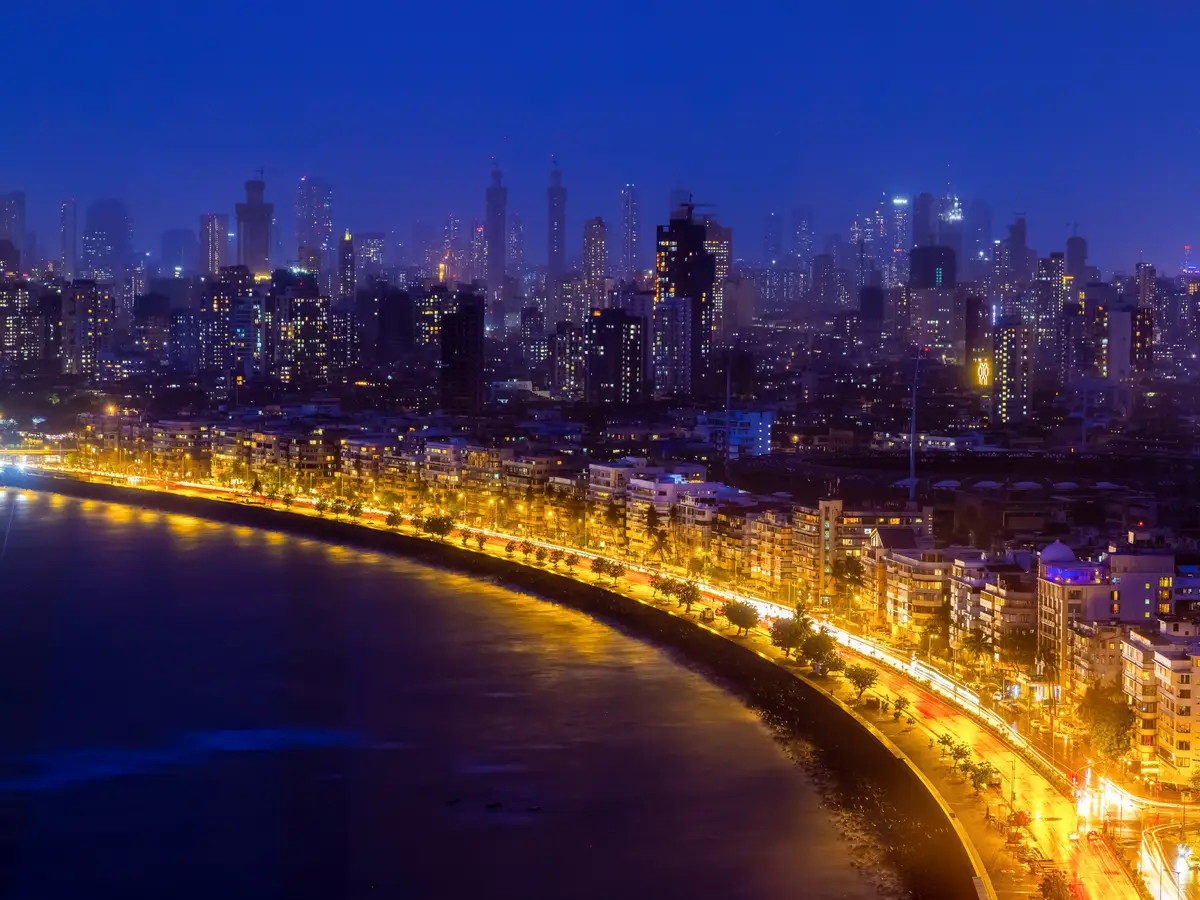 Marine Driveabout 1 km
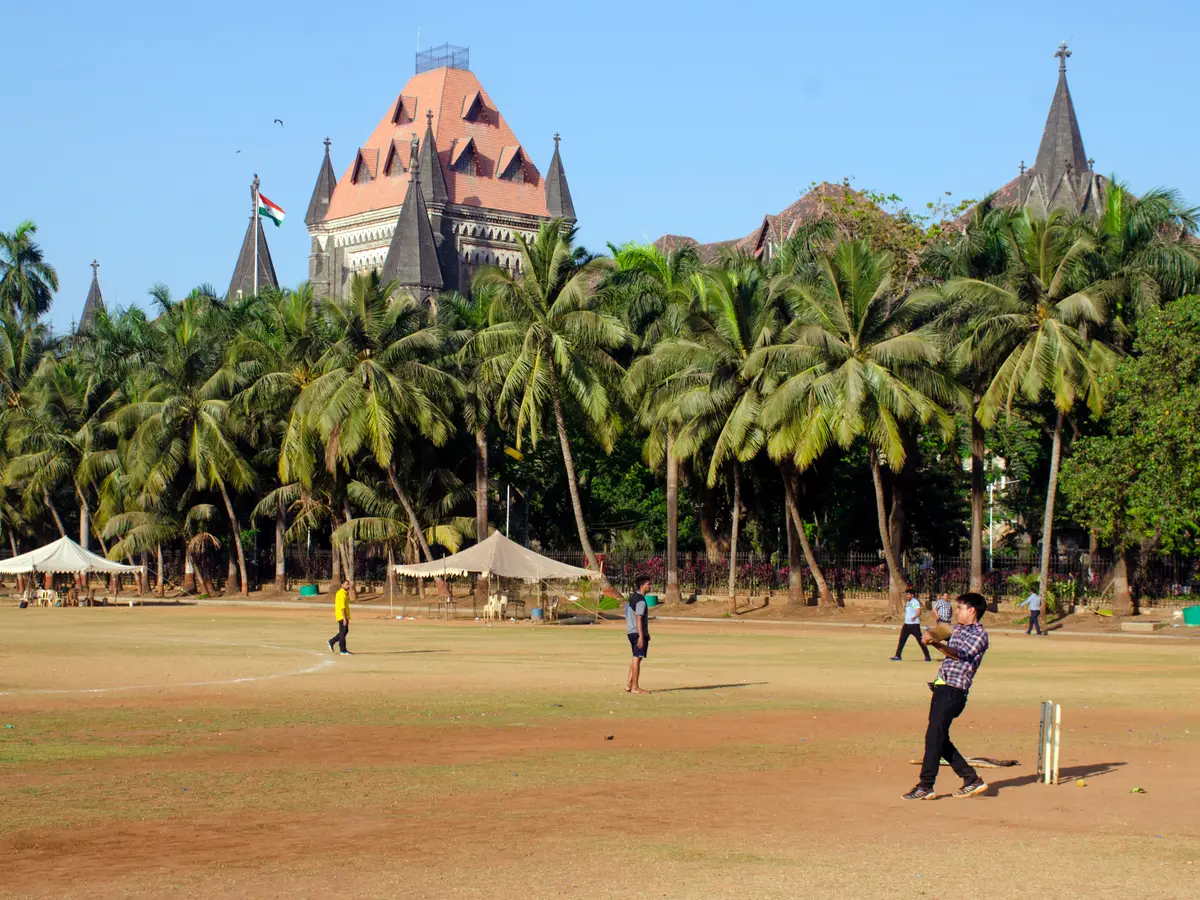 Oval Maidanabout 1 km
Chhatrapati Shivaji Maharaj Terminus: common questions
How long do you need at Chhatrapati Shivaji Maharaj Terminus?
About 30–45 min
What are the opening hours of Chhatrapati Shivaji Maharaj Terminus?
A working station, open around the clock. The heritage building has been floodlit in the evenings since 2022. No closing day, but the heritage wing and its offices are not a public gallery.
Is there an admission fee at Chhatrapati Shivaji Maharaj Terminus?
Nothing to pay to look at it from outside. The railway runs heritage tours of the building, booked in advance online rather than at the door.
How far is Chhatrapati Shivaji Maharaj Terminus from the Mumbai cruise port?
It is about 1 km from the Mumbai cruise port in a straight line. The road is longer, and the drive depends on traffic.
How much walking is there at Chhatrapati Shivaji Maharaj Terminus?
Pavements and a busy road junction outside; the concourse is flat and crowded. Platforms are for ticket holders.
From people who went
Nobody has written here yet. If you go, leave a line — the next ship reads it.
This place has the writing but not the recording.