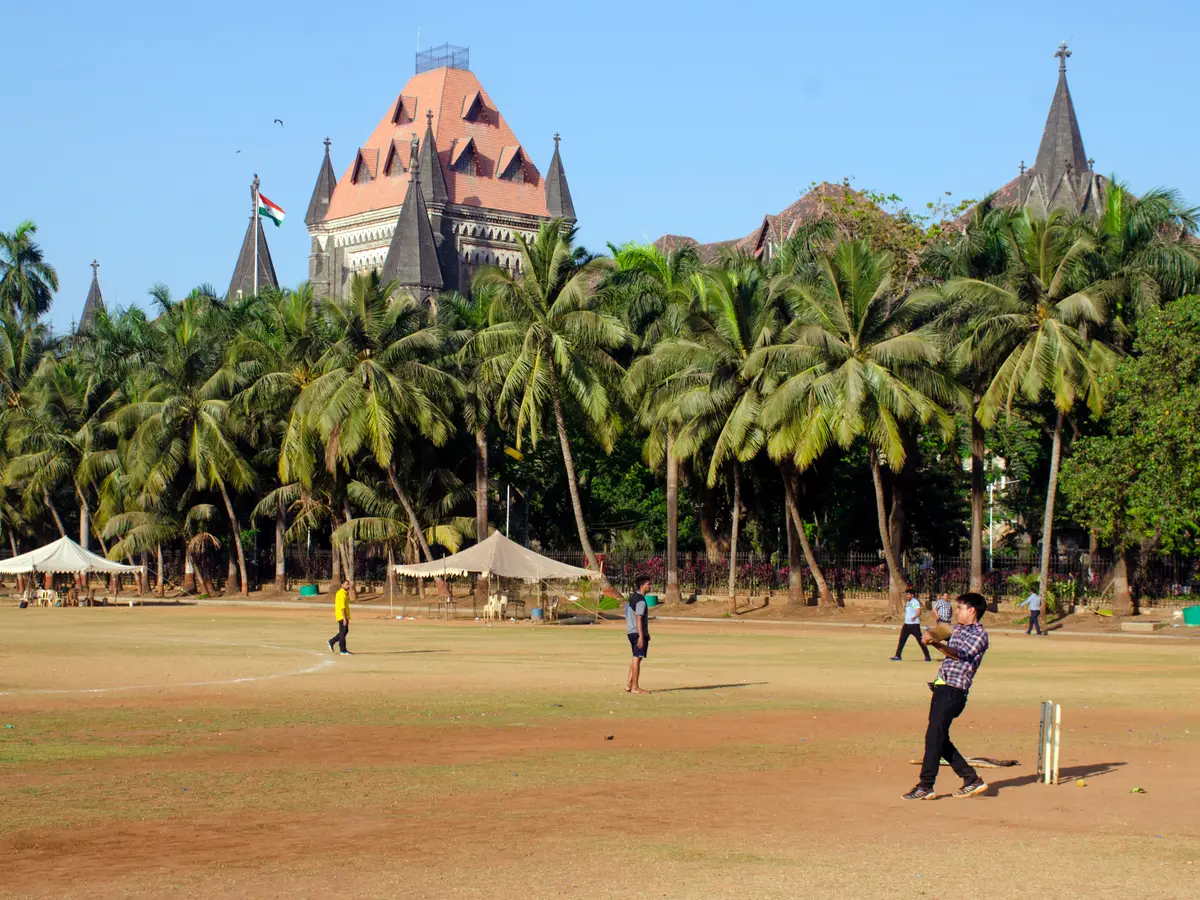
The green where Victorian Gothic faces Art Deco across one field.
Twenty minutes here explains the listed city better than an hour of walking past the buildings one at a time, and it costs nothing. There is almost no shade, so avoid the middle of the day.
- Time needed
- About 30–45 min
- Opening hours
- An open ground with a path round the edge; cricket fills it in the late afternoon and at weekends.
- Admission
- Free. The courts and the university are working institutions, not museums.
- From the Mumbai cruise port
- about 2 kmStraight line; the road is longer.
At a glance
- A 22-acre recreation ground, and the one place where both halves of Mumbai's World Heritage ensemble face each other
- Victorian Gothic along the eastern side: the Bombay High Court and the University of Mumbai with its Rajabai Clock Tower
- Art Deco along the western side, on the Back Bay reclamation towards Marine Drive
- The Victorian Gothic and Art Deco Ensembles of Mumbai were inscribed by UNESCO on 30 June 2018
- The nomination covers 94 buildings over a listed area of 66.34 ha
- Part of the open ground once called the Esplanade, together with Azad Maidan, Cross Maidan and the Cooperage
- Cricket and football most afternoons, often several games overlapping on the same ground
About Oval Maidan
The Oval Maidan is a 22-acre field, and the reason to stand in it is what stands around it. On the eastern side is a row of Victorian Gothic public buildings: the Bombay High Court, and the Fort campus of the University of Mumbai with its convocation hall, library and the Rajabai Clock Tower. On the western side, built two generations later on the Back Bay reclamation, is a row of Art Deco apartment blocks and cinemas running on towards Marine Drive. Two eras of the city's building, looking at each other across a cricket pitch.
UNESCO inscribed that pairing on 30 June 2018 as the Victorian Gothic and Art Deco Ensembles of Mumbai. The nomination covers 94 buildings in a listed area of 66.34 hectares with a much larger buffer zone, and the maidan is the open space that makes the two rows legible at once.
The Rajabai Clock Tower is the easiest landmark to pick out. It was designed by Sir George Gilbert Scott on the model of Big Ben, begun on 1 March 1869 and completed in November 1878, and it stands 85 m high in buff Kurla stone. Premchand Roychand, a broker and one of the founding members of the association that became the Bombay Stock Exchange, paid part of the cost on the condition that it carry his mother's name. In the nineteenth century its bells worked through sixteen tunes, changing four times a day; it now chimes one tune every quarter. The tower was closed to the public after it became a place where people came to take their own lives, and was restored between 2013 and 2015.
The maidan itself was once part of a larger open stretch called the Esplanade. By the late twentieth century it was neglected. A residents' association was formed in 1997 and, by its own account, took the state to the Bombay High Court and was handed the ground to look after. It fenced it, laid a path round the edge, and gave the cricket back its field.
Visiting Oval Maidan
Good to know
Places near Oval Maidan
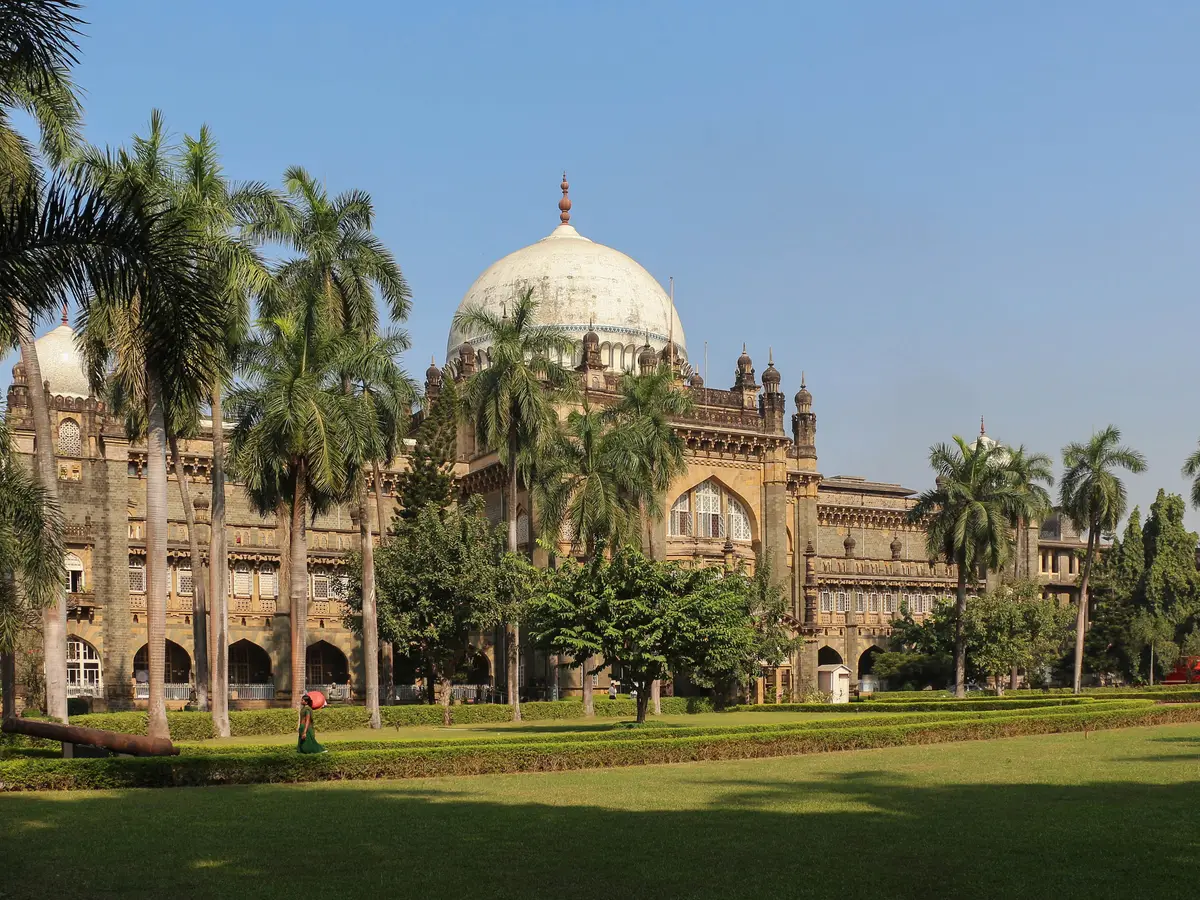 Chhatrapati Shivaji Maharaj Vastu Sangrahalayaunder 1 km
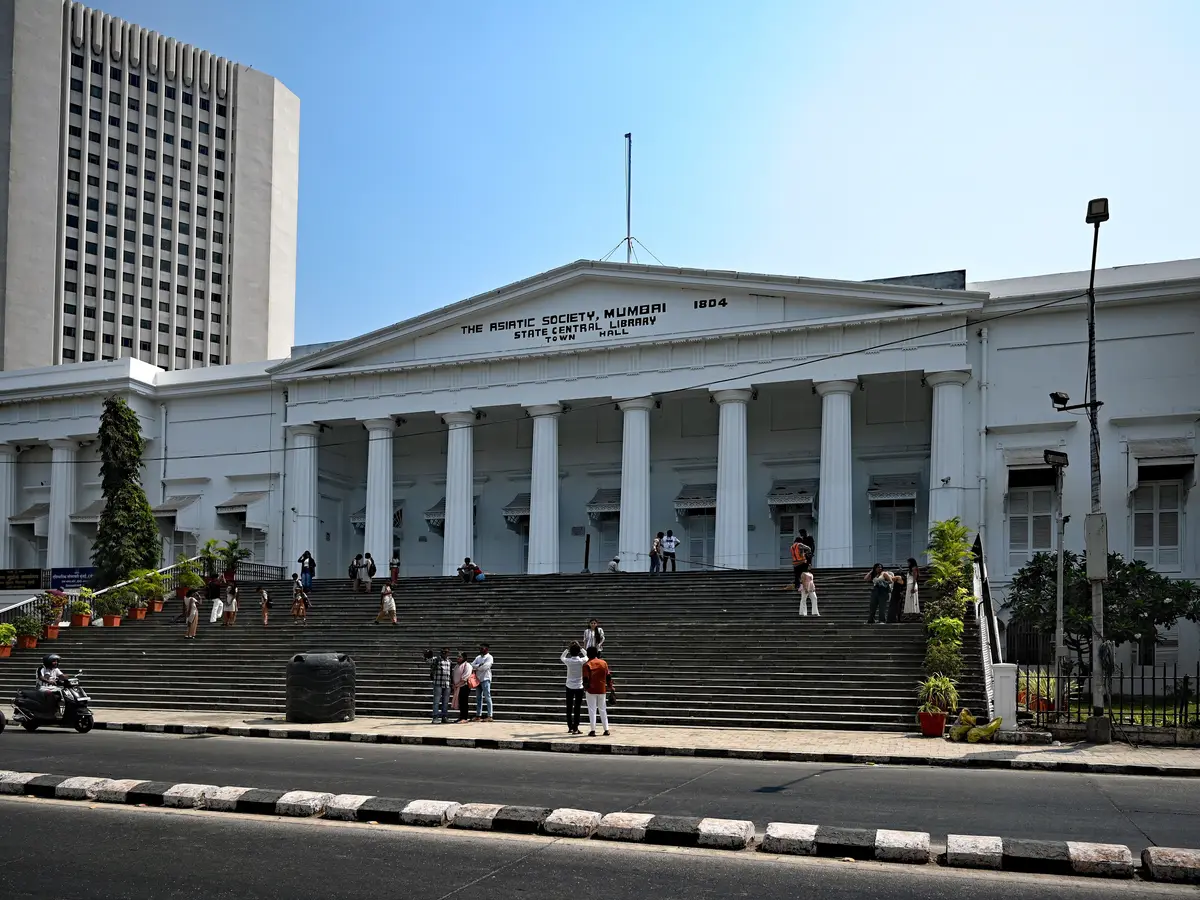 The Asiatic Society and the Town Hallunder 1 km
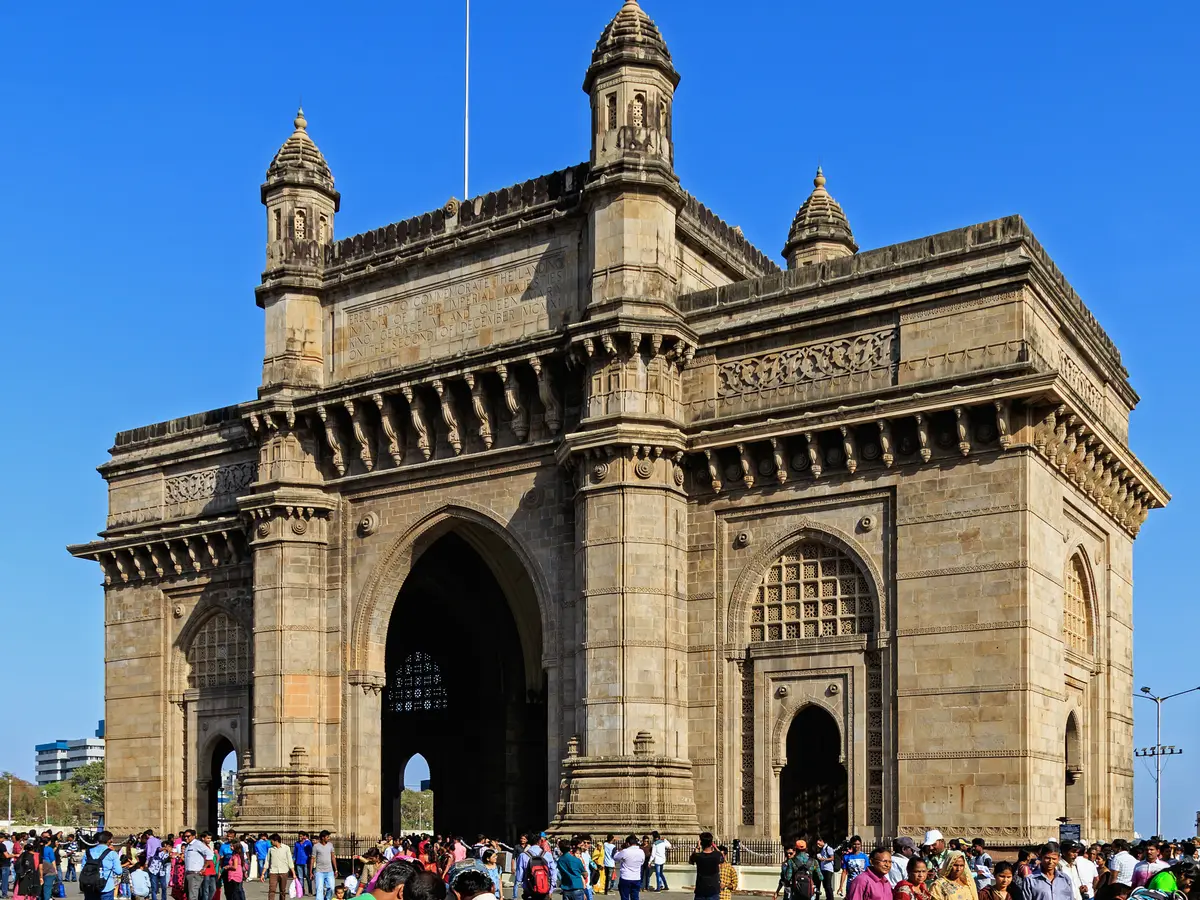 Gateway of Indiaabout 1 km
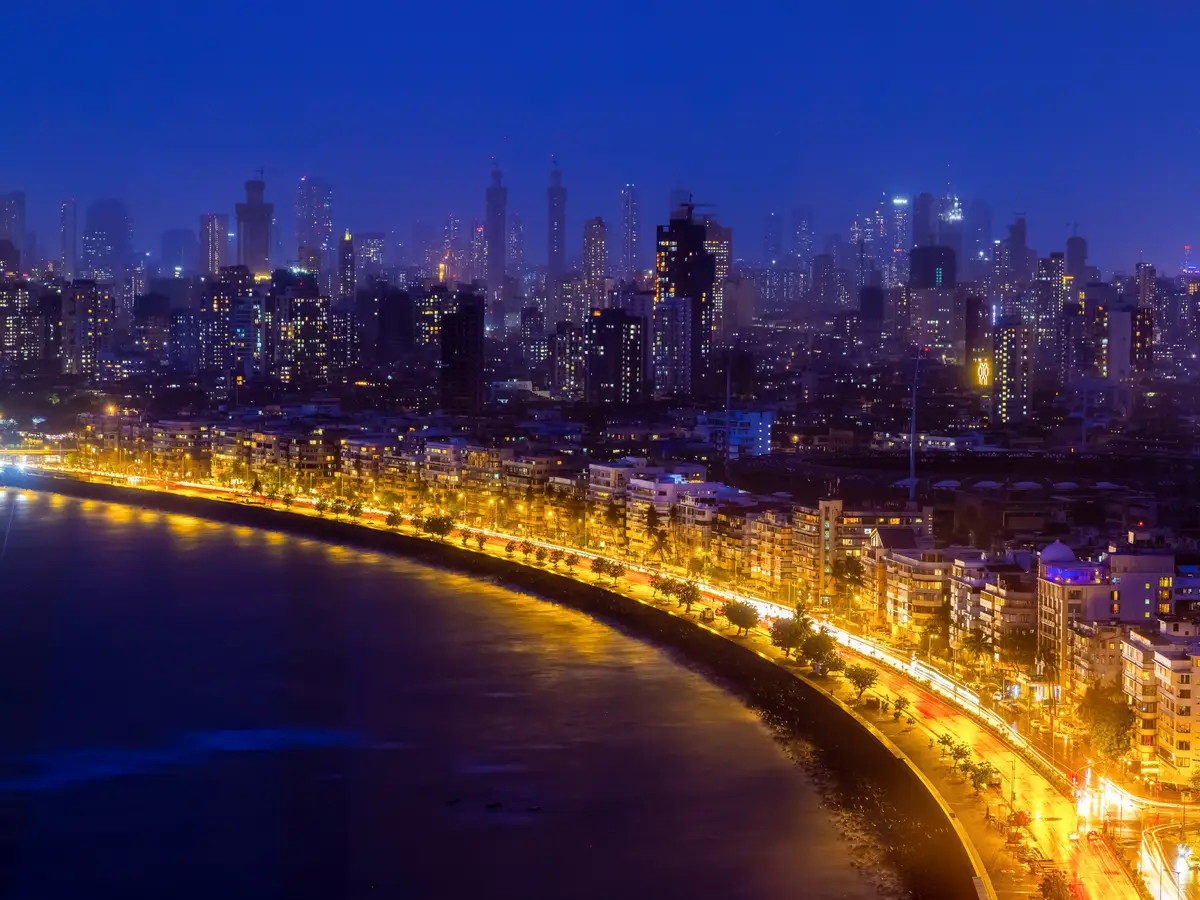 Marine Driveabout 1 km
Oval Maidan: common questions
How long do you need at Oval Maidan?
About 30–45 min
What are the opening hours of Oval Maidan?
An open ground with a path round the edge; cricket fills it in the late afternoon and at weekends. No closing day. The pitch itself is in use, so keep to the path.
Is there an admission fee at Oval Maidan?
Free. The courts and the university are working institutions, not museums.
How far is Oval Maidan from the Mumbai cruise port?
It is about 2 km from the Mumbai cruise port in a straight line. The road is longer, and the drive depends on traffic.
How much walking is there at Oval Maidan?
Flat, with a jogging path round the perimeter and a lane across the middle. Little shade.
From people who went
Nobody has written here yet. If you go, leave a line — the next ship reads it.
This place has the writing but not the recording.