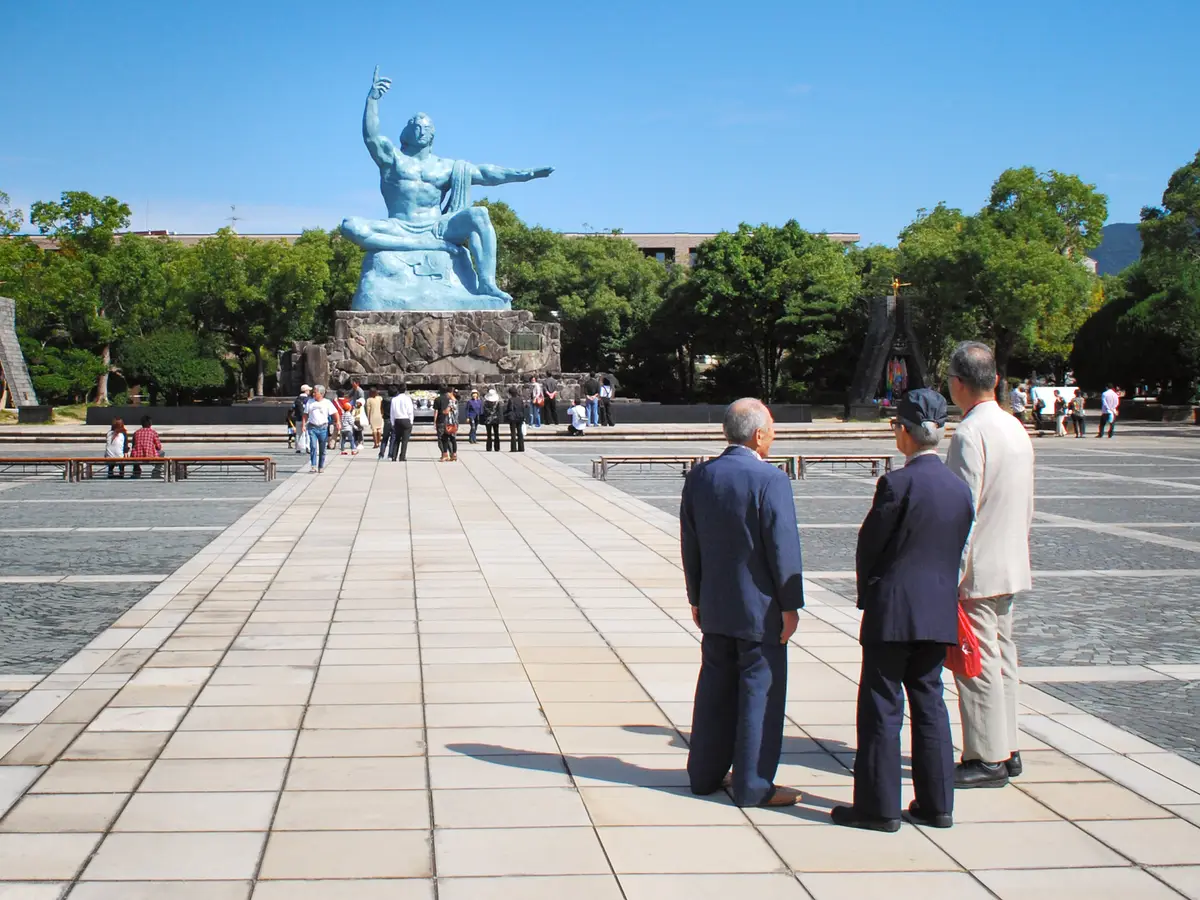
Memorial park beside the 1945 atomic bomb hypocentre.
Where Nagasaki remembers 9 August 1945. The statue, the fountain and the hypocentre marker are within a short walk of each other.
- Time needed
- About 45–60 min
- Opening hours
- The park is an open public space. Check locally for any restrictions around the 9 August ceremony.
- Admission
- The park is a public park; the nearby museum is ticketed separately.
- From the Nagasaki cruise port
- about 4 kmStraight line; the road is longer.
At a glance
- Established in 1955 on the hill beside the hypocentre of the 9 August 1945 atomic bombing
- The bronze Peace Statue, about 10 metres high, by the Nagasaki-born sculptor Seibo Kitamura
- Right hand raised to the threat of nuclear weapons, left hand stretched out for peace, eyes closed in prayer
- The Fountain of Peace (1969), for the victims who died searching for water
- Peace monuments donated from countries around the world since 1978
- In the Hypocentre Park, a black stone monolith marks the point below the explosion
- A surviving wall section of the old Urakami Cathedral stands near the monolith
About Nagasaki Peace Park
At 11:02 on the morning of 9 August 1945, an atomic bomb exploded about 500 metres above the Urakami district of Nagasaki. The figures given at the park are 73,884 people killed and 74,909 injured, and many more died later from the effects of radiation. About a third of the city was destroyed.
The Peace Park was established in 1955 on a low hill just north of the hypocentre. At its far end sits the Peace Statue, a bronze figure about ten metres high by the sculptor Seibo Kitamura, who was born in Nagasaki Prefecture. Its right hand points to the sky, to the threat of nuclear weapons; its left hand is stretched out level, for peace; its eyes are closed in prayer for the dead. Every year on 9 August a memorial ceremony is held here and the mayor of Nagasaki reads a Peace Declaration.
At the opposite end is the Fountain of Peace, built in 1969 for the many victims who died searching for water. Along the paths between the two are monuments given by countries and cities around the world, a collection that began in 1978.
A short walk south, across the road, is the Hypocentre Park. A plain black monolith marks the spot directly below the explosion, and beside it stands a section of wall from the old Urakami Cathedral, which stood about 500 metres away and was destroyed. The Atomic Bomb Museum is on the hill just above. This is a place of mourning as well as a sight; visitors are asked to keep that in mind.
Visiting Nagasaki Peace Park
Good to know
Places near Nagasaki Peace Park
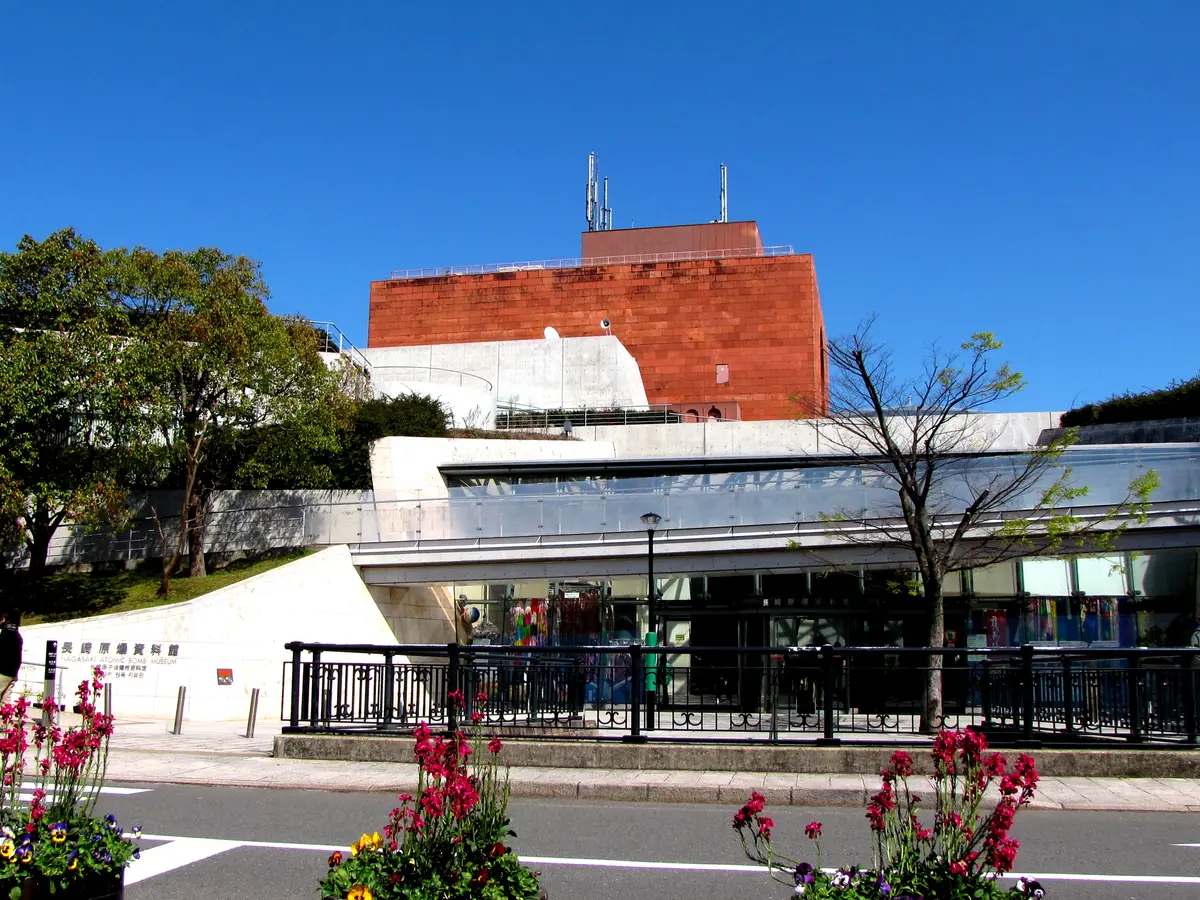 Nagasaki Atomic Bomb Museumunder 1 km
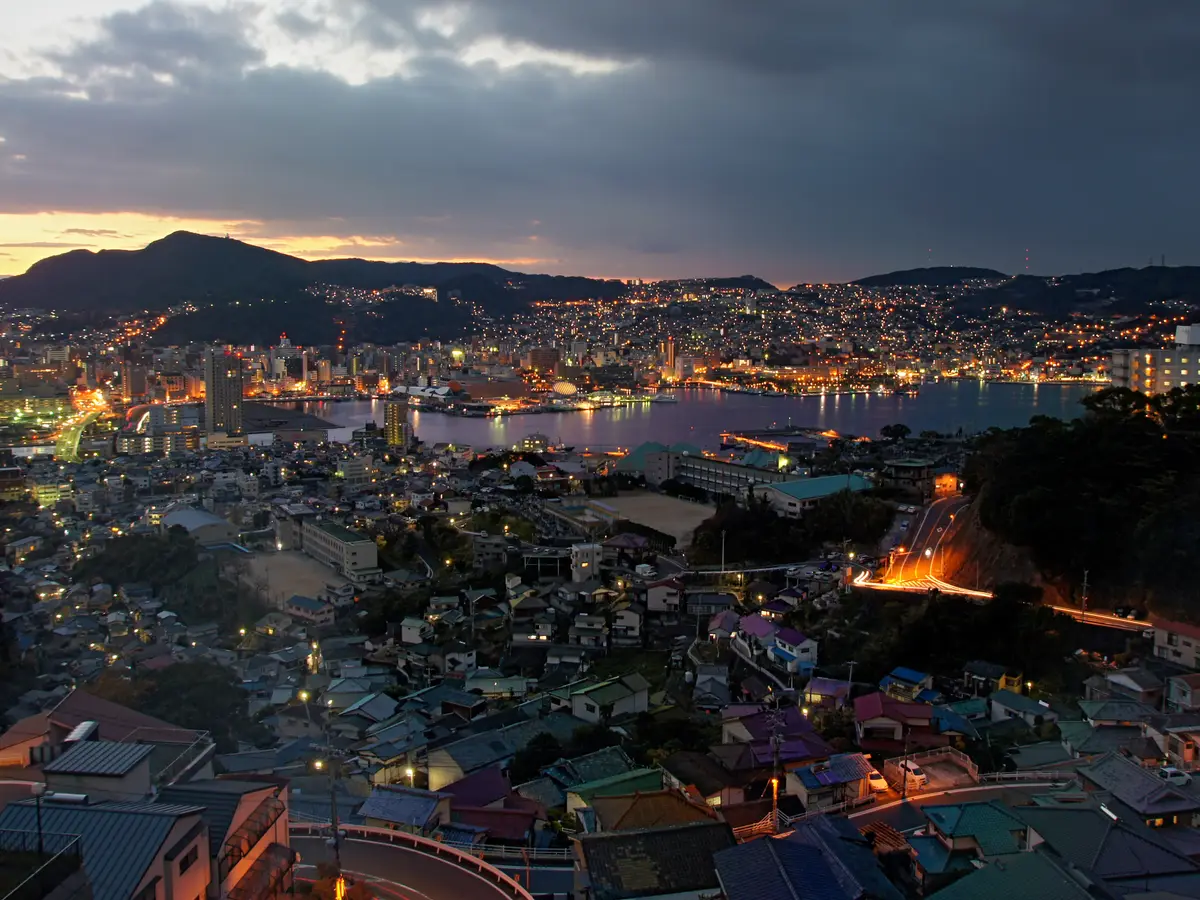 Mount Inasa Observatoryabout 3 km
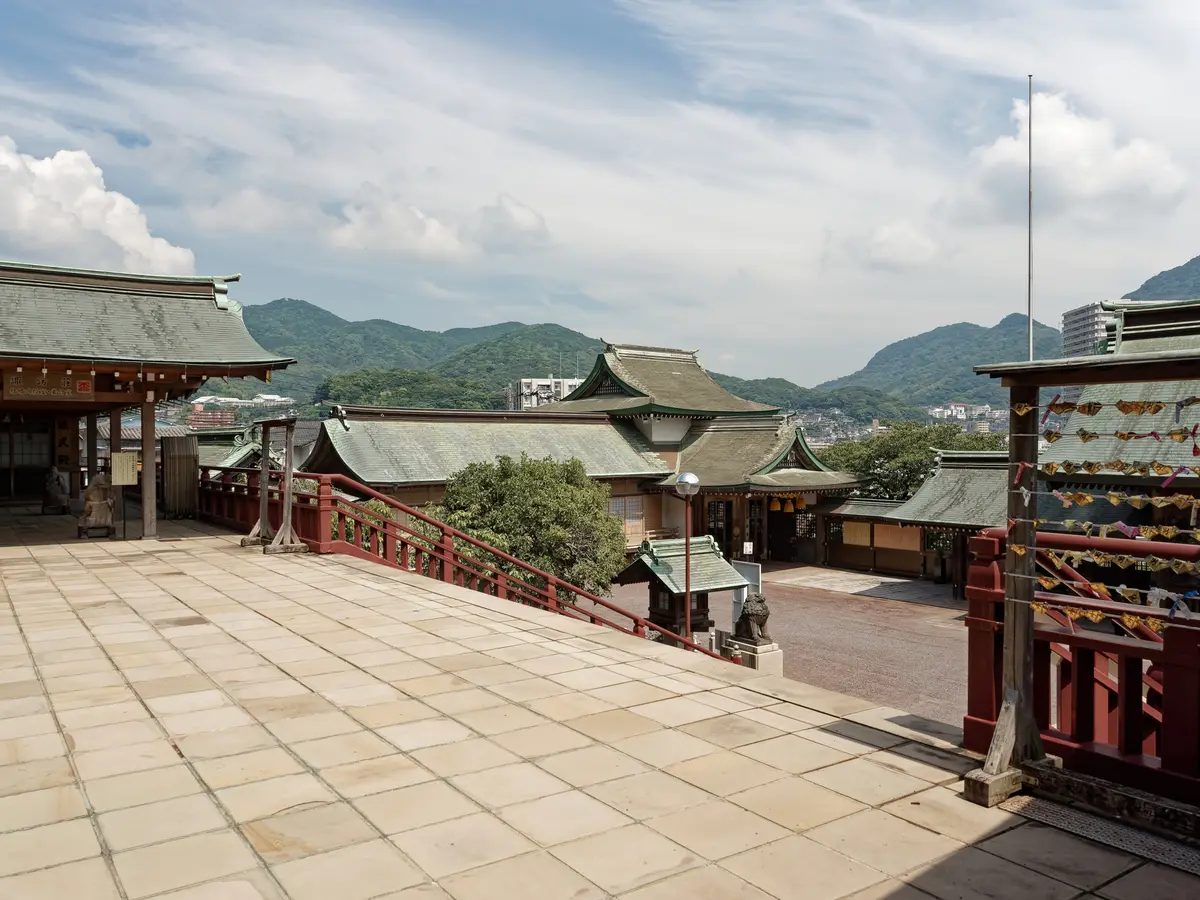 Suwa Shrineabout 3 km
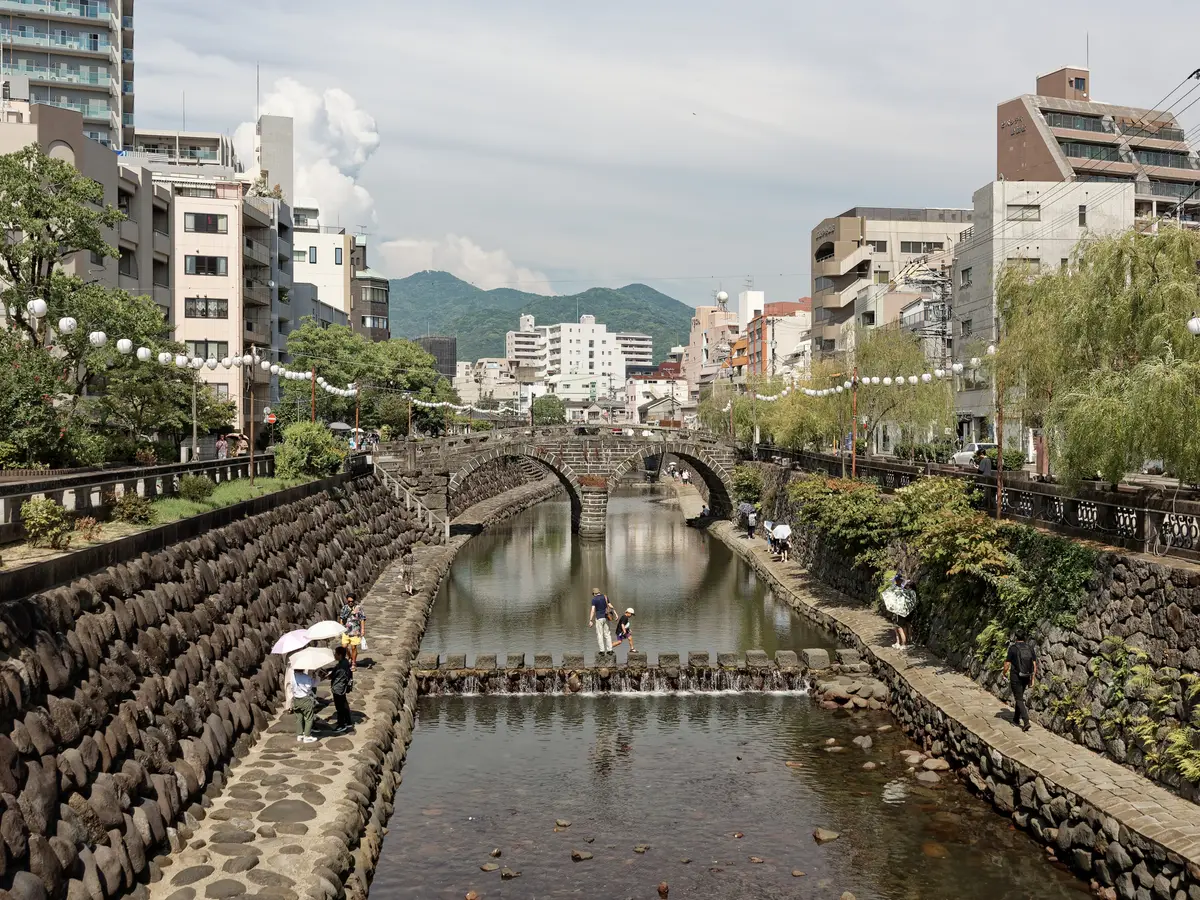 Meganebashi (Spectacles Bridge)about 4 km
Nagasaki Peace Park: common questions
How long do you need at Nagasaki Peace Park?
About 45–60 min
What are the opening hours of Nagasaki Peace Park?
The park is an open public space. Check locally for any restrictions around the 9 August ceremony. Parts of the park may be closed off for ceremonies or works; check locally.
Is there an admission fee at Nagasaki Peace Park?
The park is a public park; the nearby museum is ticketed separately.
How far is Nagasaki Peace Park from the Nagasaki cruise port?
It is about 4 km from the Nagasaki cruise port in a straight line. The road is longer, and the drive depends on traffic.
How much walking is there at Nagasaki Peace Park?
The park is on a low hill, with steps and an escalator from the street; the Hypocentre Park and the museum are a short walk away.
From people who went
Nobody has written here yet. If you go, leave a line — the next ship reads it.
This place has the writing but not the recording.