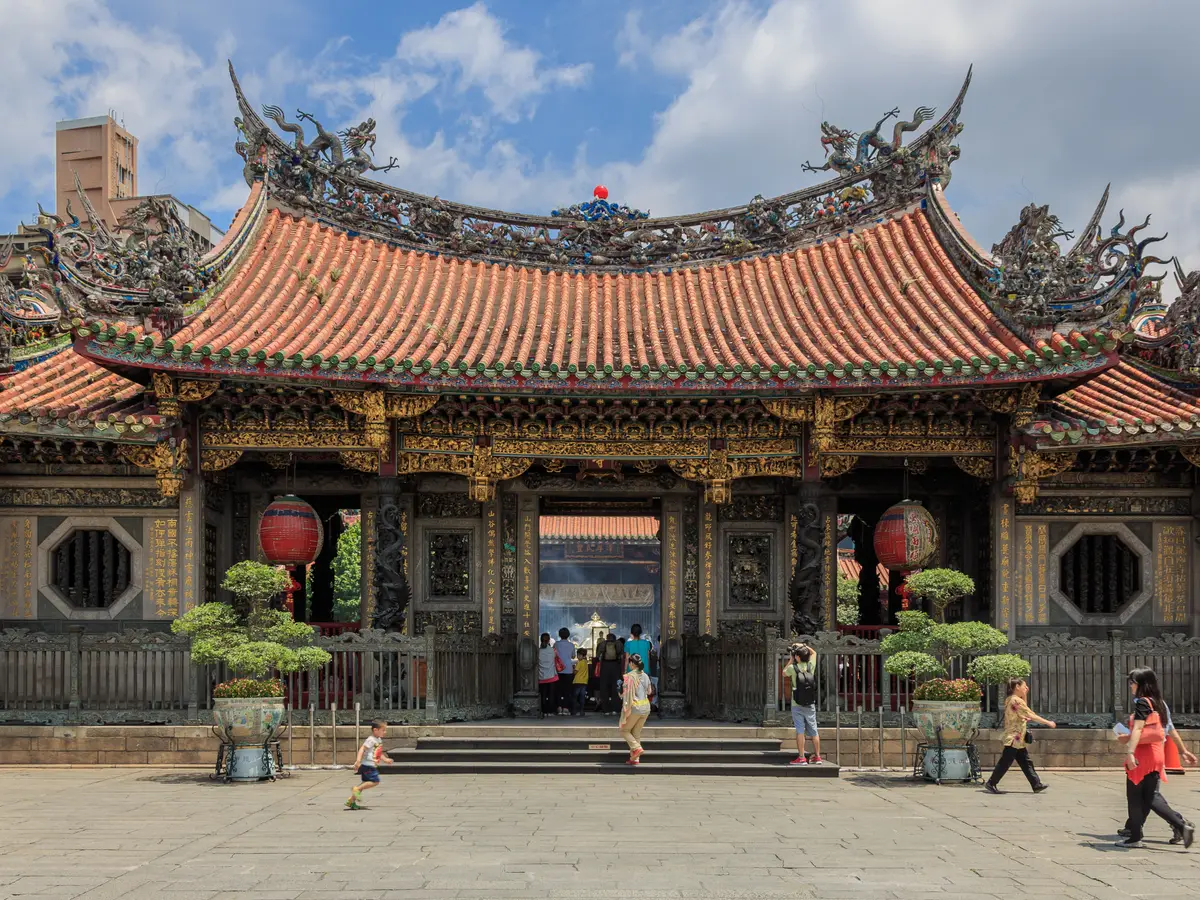
Taipei's best-known temple, founded by Fujian settlers in 1738 and still full of worshippers.
The most atmospheric temple a ship's day reaches in Taipei, and a short visit. Flat and compact; busy with worshippers at all hours.
- Time needed
- About 40 min
- Opening hours
- Open from early morning until late evening. Check the temple's official page for festival days.
- Admission
- Free.
- From the Keelung cruise port
- about 27 kmStraight line; the road is longer.
At a glance
- Founded in 1738 by settlers from three counties of Fujian, in Taipei's oldest quarter
- Dedicated to Guanyin, with Mazu, Guan Yu, the god of literature and the matchmaker god in the rear hall
- The present buildings date from a rebuilding of 1919 to 1924, designed by Wang Yi-shun
- Bombed in 1945; rebuilt after the war and declared a national monument in 2018
- Incense sticks have not been burned by worshippers since March 2020
About Lungshan Temple
Lungshan Temple stands in Wanhua, the oldest part of Taipei, which was once the river port of Bangka. Settlers from Jinjiang, Nan'an and Hui'an in Fujian began it in 1738, modelling it on the temple of the same name in their home county, and by Chinese accounts finished it in 1740. It was rebuilt after an earthquake in 1815 and repaired after a typhoon in 1867.
What you see is mostly the work of a rebuilding between 1919 and 1924, under Japanese rule, designed by the Fujian master builder Wang Yi-shun. The pair of cast dragon columns at the front hall, the first of their kind in Taiwan, date from then. In the American air raids on Taipei in 1945 the temple was hit and the main hall badly damaged; sources give the date as 31 May or 8 June. By the temple's own account, the statue of Guanyin was found unharmed in the ruins. Rebuilding began in 1953, the hall was reconsecrated in 1959, and the temple was made a national monument in 2018.
The temple is Buddhist at the front and broadly Taiwanese at the back. The main hall belongs to Guanyin, the bodhisattva of compassion. In the rear hall are Mazu, protector of seafarers; Guan Yu; Wenchang, to whom students pray before examinations; and Yue Lao, the old man under the moon, who is asked for help in finding a partner.
It is a working temple, busy from early morning. Visitors are welcome and entry is free. One thing has changed: worshippers no longer burn incense sticks here. The temple ended the practice in March 2020 on environmental grounds, having stopped candles the year before, and people now pray with joined hands.
Visiting Lungshan Temple
Good to know
Places near Lungshan Temple
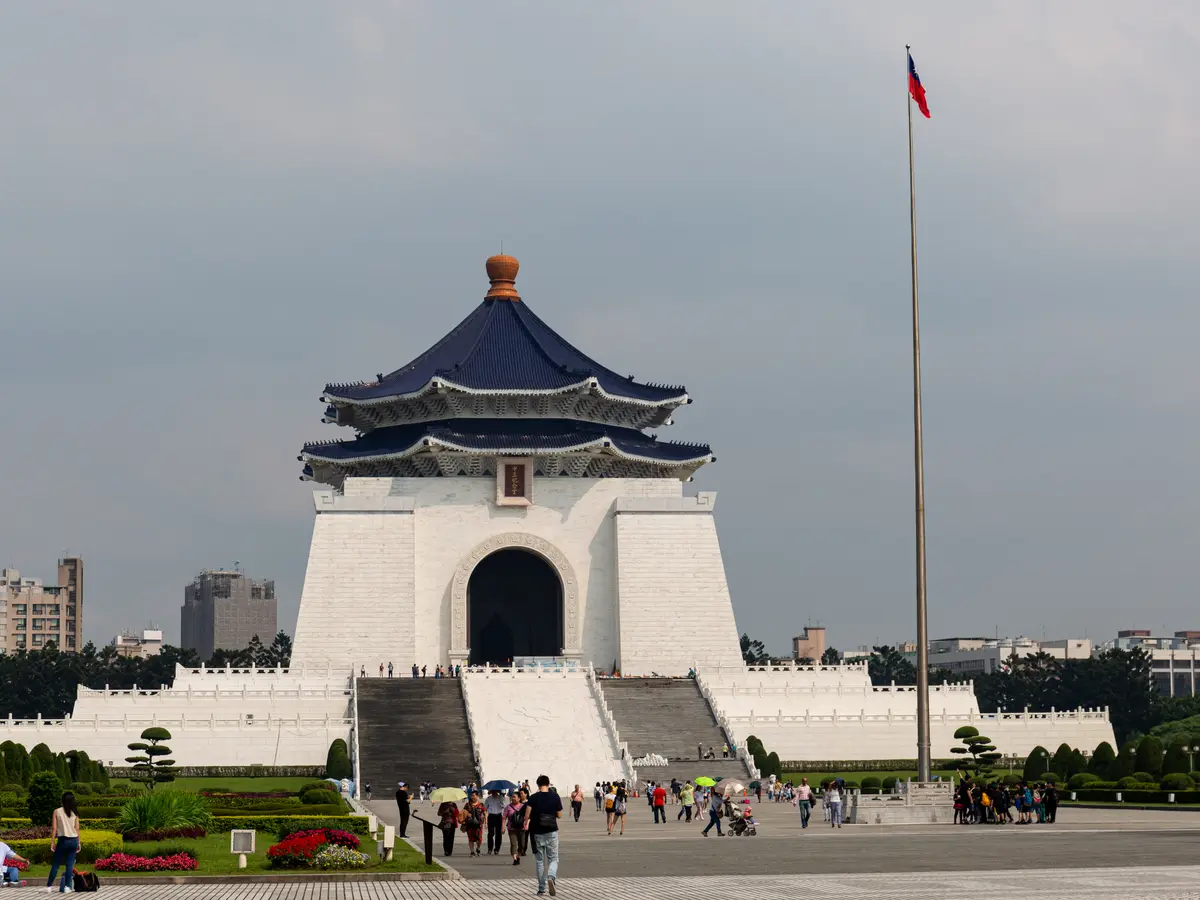 Chiang Kai-shek Memorial Hallabout 2 km
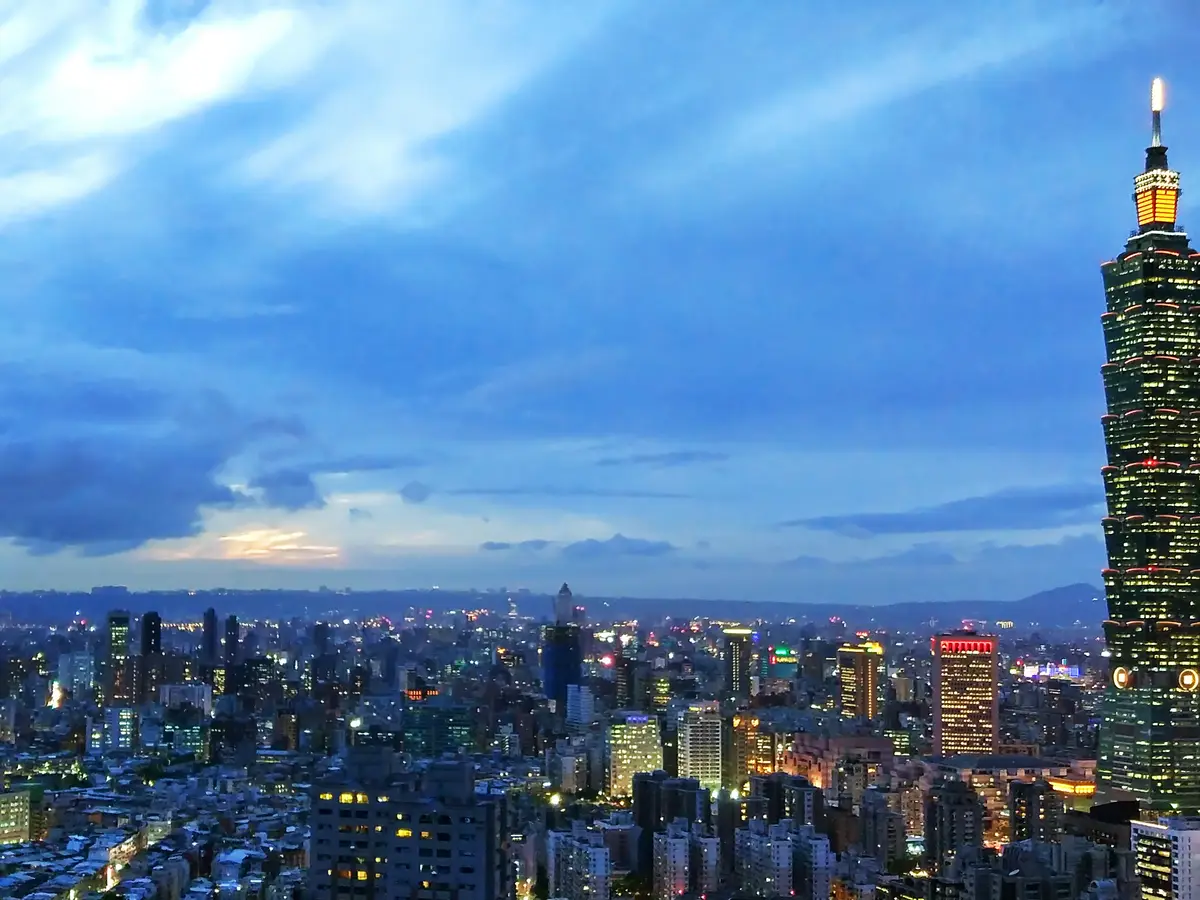 Taipei 101about 7 km
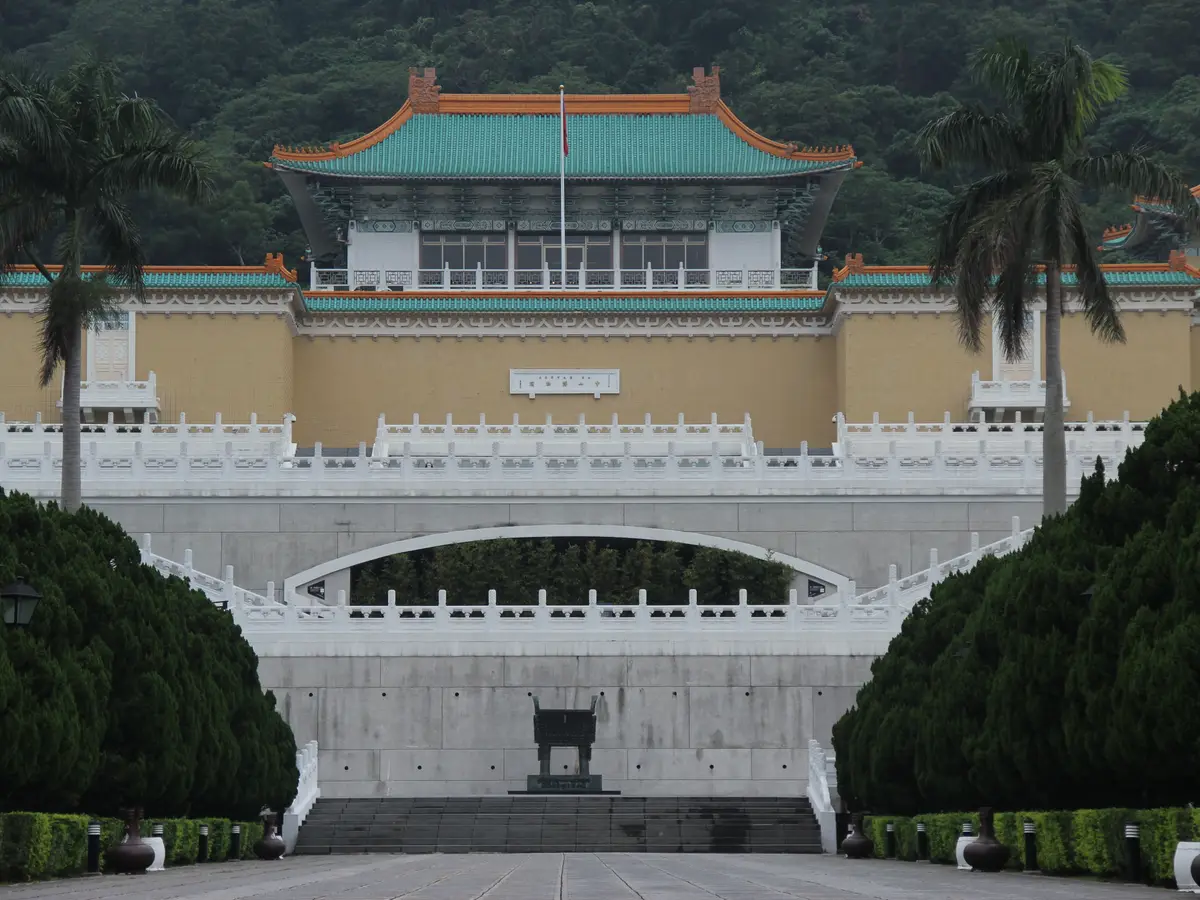 National Palace Museumabout 9 km
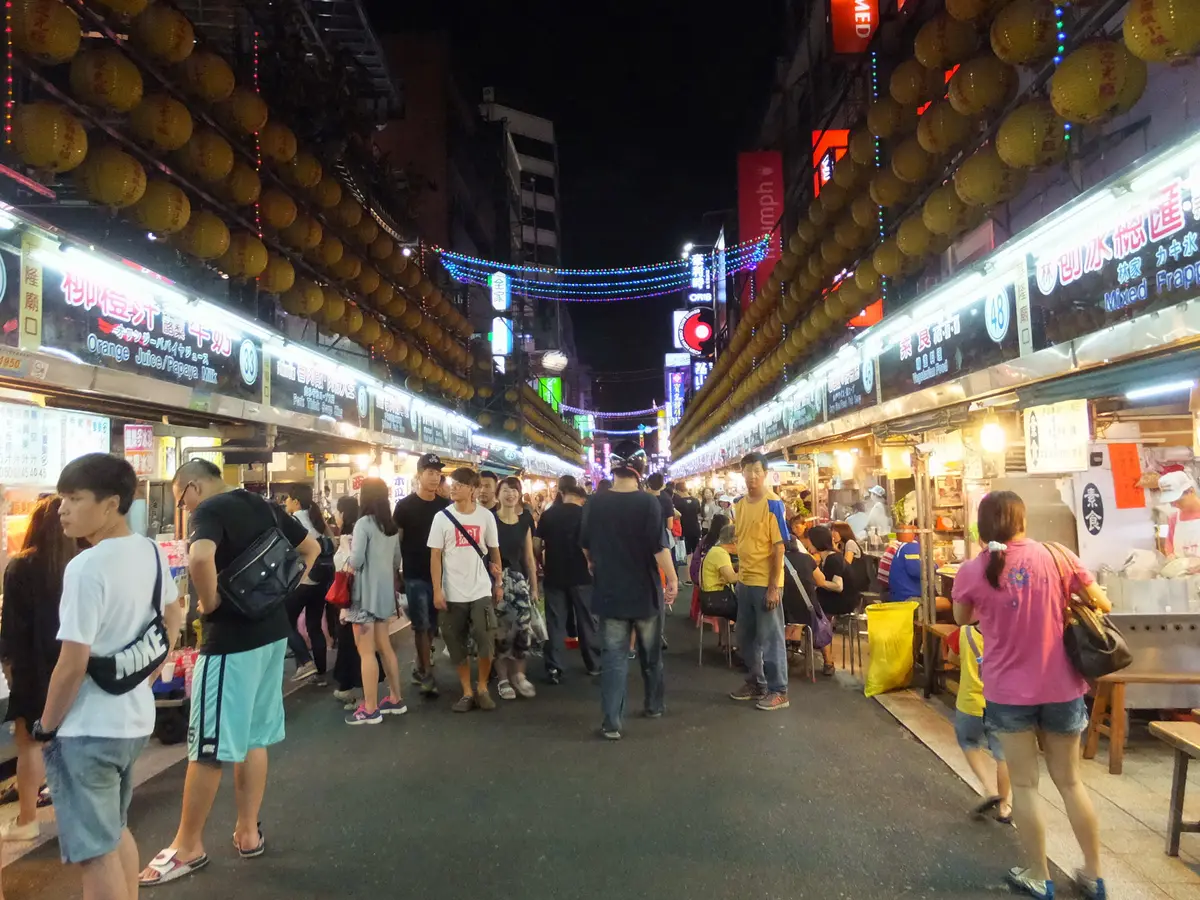 Keelung Miaokou Night Marketabout 27 km
Lungshan Temple: common questions
How long do you need at Lungshan Temple?
About 40 min
What are the opening hours of Lungshan Temple?
Open from early morning until late evening. Check the temple's official page for festival days. No regular closing day is stated.
Is there an admission fee at Lungshan Temple?
Free.
How far is Lungshan Temple from the Keelung cruise port?
It is about 27 km from the Keelung cruise port in a straight line. The road is longer, and the drive depends on traffic.
How much walking is there at Lungshan Temple?
Flat and compact, with raised door sills to step over. It can be crowded and the stone is slippery in rain.
From people who went
Nobody has written here yet. If you go, leave a line — the next ship reads it.
This place has the writing but not the recording.