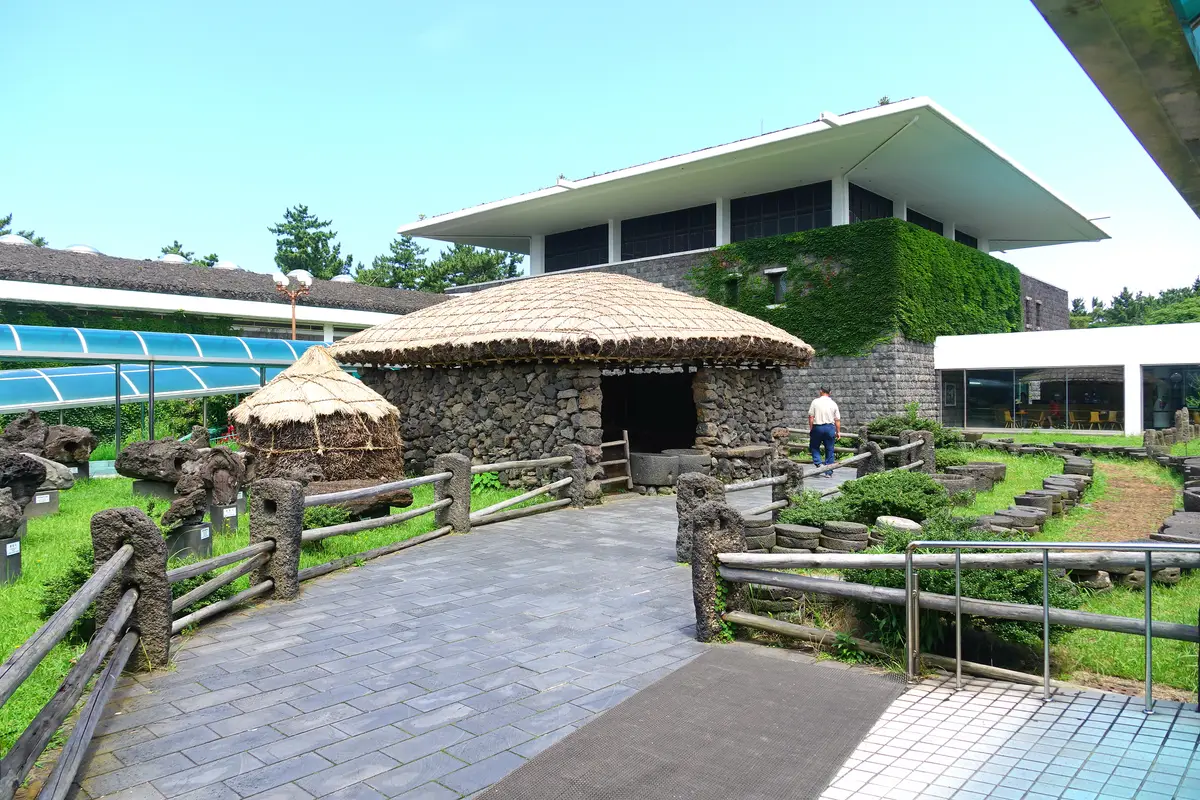
Discover Jeju's island ecology and traditional daily life through exhibits.
The museum introduces Jeju’s natural history, folklore and haenyeo culture through indoor exhibits.
- Time needed
- 90 min
- Opening hours
- 09:00–18:00; ticket sales end 17:30
- Admission
- Non-Jeju adults ₩2,000; youth, eligible military personnel or police constables ₩1,000. Jeju residents pay half price; children 12 or younger and adults 65+ enter free.
- From the Jeju cruise port
- about 2 kmStraight line; the road is longer.
At a glance
- Most comprehensive single-stop introduction to Jeju natural history + folklore
- A convenient cultural introduction for an arrival-day visit near central Jeju City
- Coverage: basalt geology + marine ecology + agriculture + folk crafts + haenyeo heritage
- Trilingual EN/CN/JP labels throughout main halls — best foreign-friendly labeling on Jeju
- Non-Jeju adult ₩2,000; youth ₩1,000; children 12 and under and adults 65+ free
- 09:00–18:00, ticket sales until 17:30; Monday closure shifts to the next non-holiday when Monday is a holiday
- For step-free access, ask the museum about the current entrance route and available equipment before visiting.
- Strong weather-disrupted-day fallback + arrival-day primer
- Indoor exhibitions explore Jeju’s natural history, traditional life and marine environment.
About Jeju Folklore & Natural History Museum
Jeju Folklore and Natural History Museum is a provincial museum in central Jeju City, 5 minutes by car from downtown and 10 minutes from the airport, offering the most comprehensive single-stop introduction to Jeju's natural history, volcanic geology, marine ecology, and traditional folk culture.
The collection covers Jeju basalt geology with mineral specimens, marine biology with preserved species from surrounding seas, agriculture and folk crafts, traditional household objects, and the haenyeo (women divers) cultural heritage with original equipment.
The museum is a strong weather-disrupted-day fallback and an excellent arrival-day cultural primer before deeper exploration. Exhibition labels are trilingual (EN/CN/JP) throughout the main halls — among the best-labeled museums on Jeju for foreign visitors.
The museum lists visiting hours of 09:00–18:00 (ticket sales to 17:30). It closes Mondays, with the closure moved to the next first non-holiday if Monday is a public or substitute holiday, as well as Jan 1, Seollal, Chuseok and fumigation periods. Non-Jeju individual admission is ₩2,000 for adults and ₩1,000 for youth or military/police; Jeju residents receive a 50% discount, while children 12 and under and adults 65+ enter free. Parking is paid.
Visiting Jeju Folklore & Natural History Museum
Good to know
Jeju Folklore & Natural History Museum in photographs
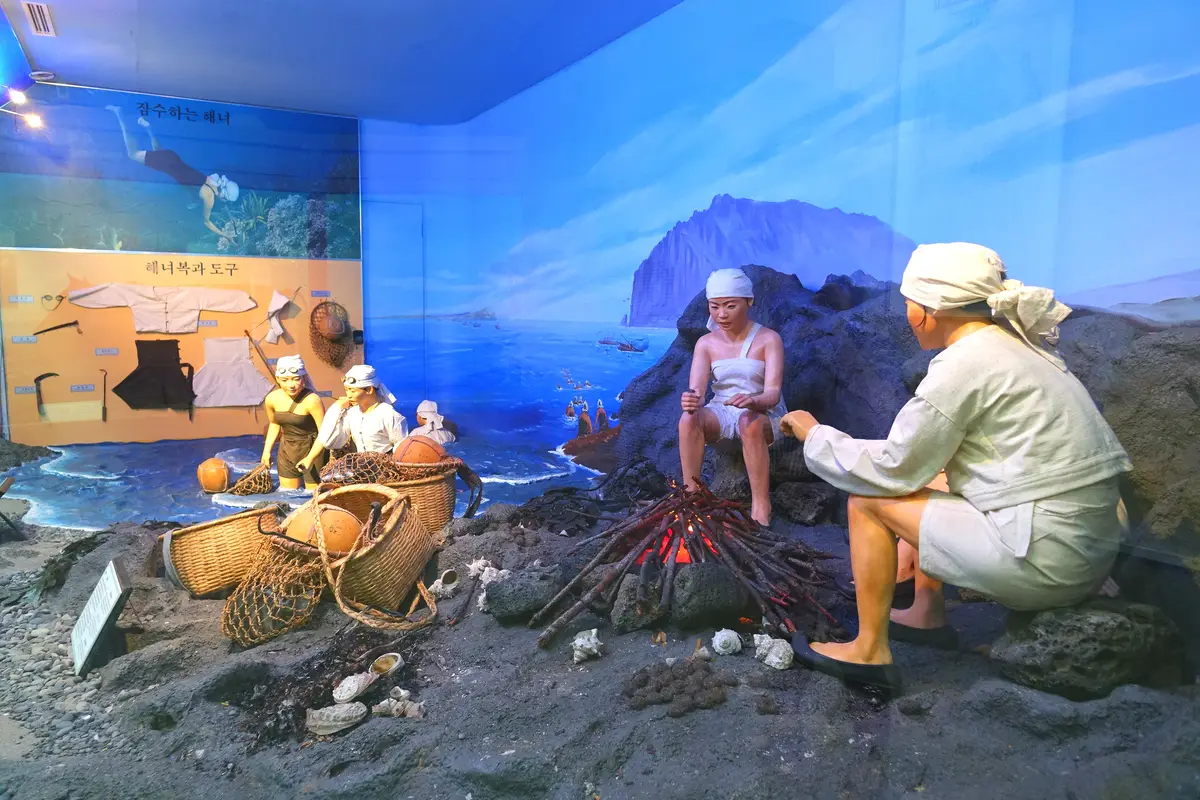
Places near Jeju Folklore & Natural History Museum
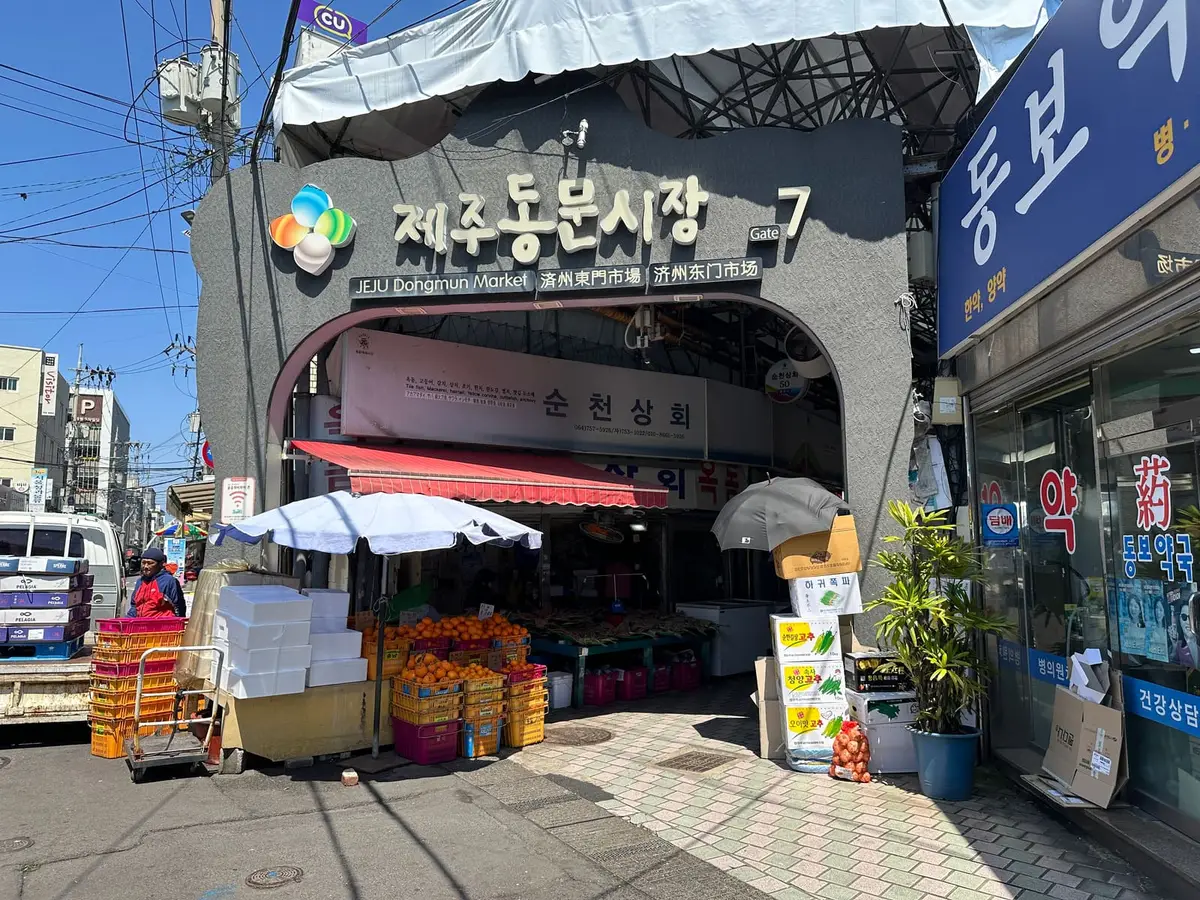 Dongmun Traditional Marketunder 1 km
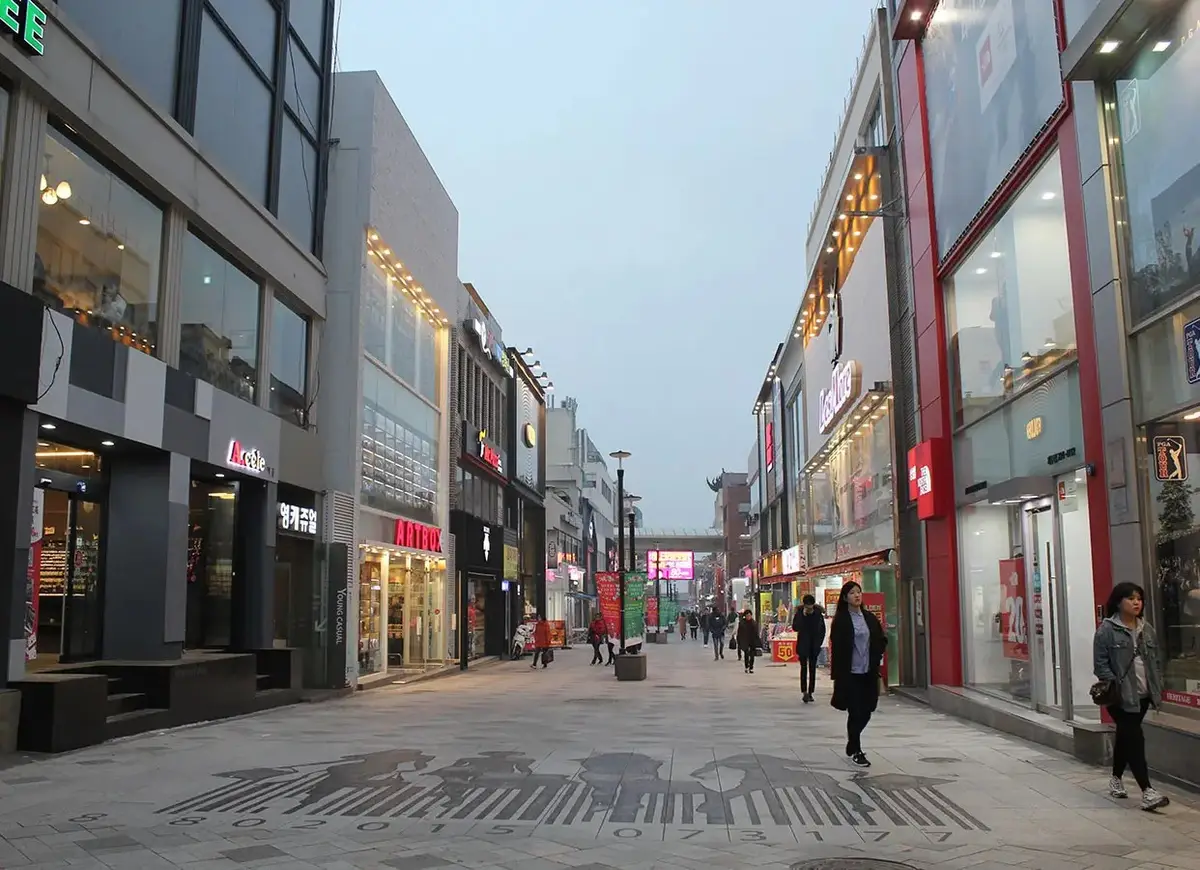 Chilseong-ro Shopping Streetunder 1 km
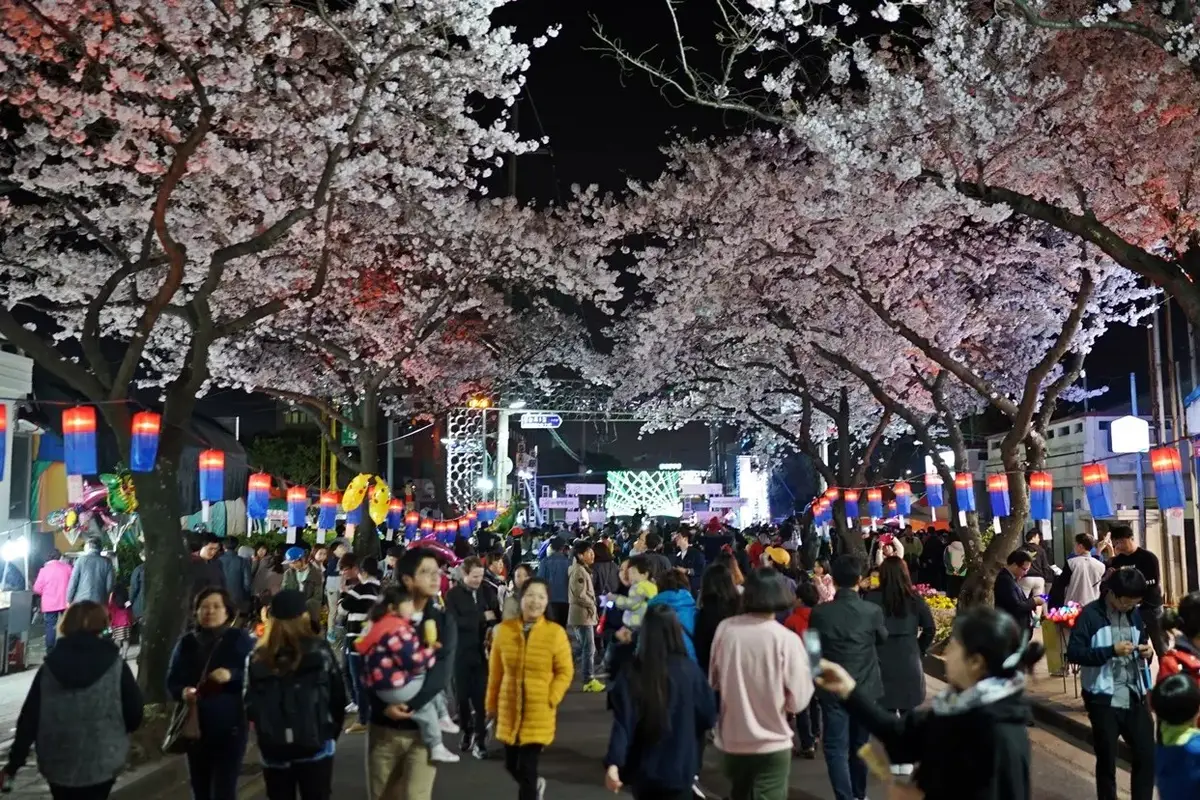 Jeonnong-ro King Cherry Blossom Streetabout 1 km
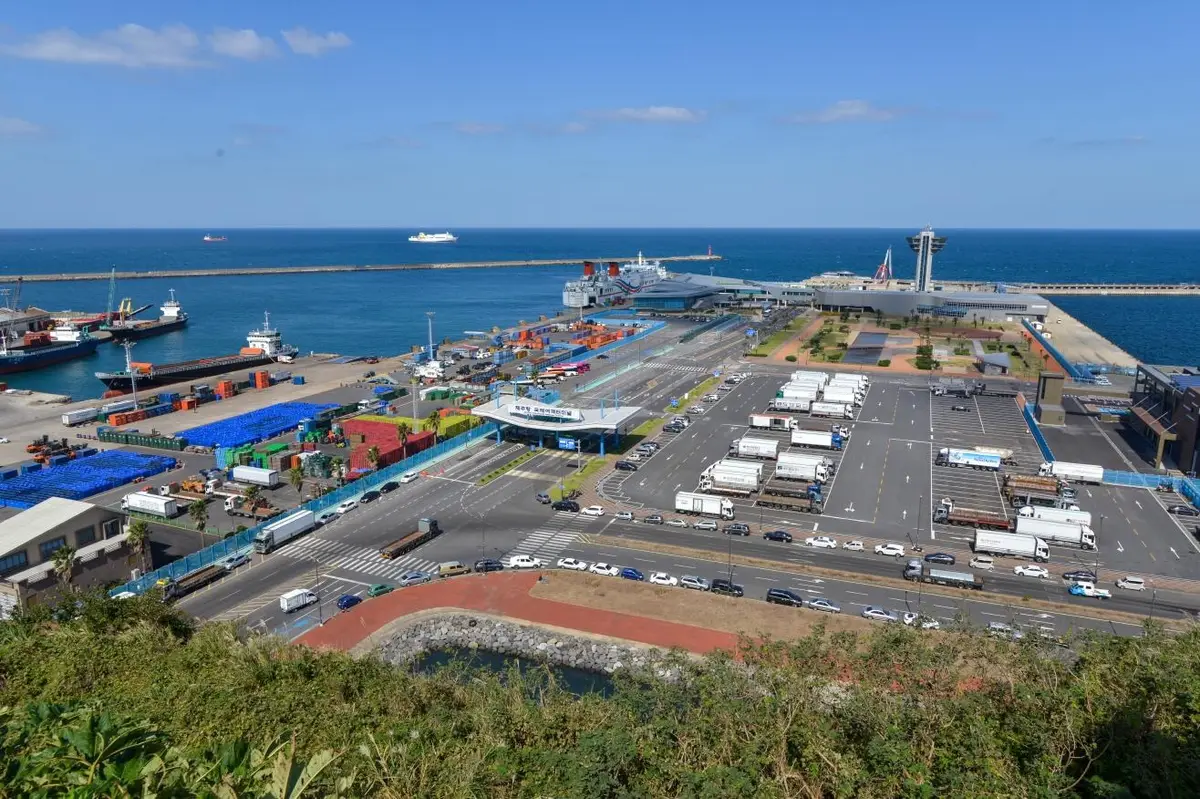 Jeju Port (Jeju International Passenger Terminal)about 2 km
Jeju Folklore & Natural History Museum: common questions
How long do you need at Jeju Folklore & Natural History Museum?
90 min
What are the opening hours of Jeju Folklore & Natural History Museum?
09:00–18:00; ticket sales end 17:30 Closed every Monday; if Monday is a public or substitute holiday, closed on the next non-holiday. Also closed on 1 January, Seollal, Chuseok, and for fumigation once in each half of the year.
Is there an admission fee at Jeju Folklore & Natural History Museum?
Non-Jeju adults ₩2,000; youth, eligible military personnel or police constables ₩1,000. Jeju residents pay half price; children 12 or younger and adults 65+ enter free.
How far is Jeju Folklore & Natural History Museum from the Jeju cruise port?
It is about 2 km from the Jeju cruise port in a straight line. The road is longer, and the drive depends on traffic.
How much walking is there at Jeju Folklore & Natural History Museum?
Indoor galleries; the main-building approach has an approximately 9° slope. Check route accessibility with the museum.
From people who went
Nobody has written here yet. If you go, leave a line — the next ship reads it.
This place is recorded in 10 languages. On tour it plays itself when you arrive.
Open in Maps